UNGA 2026: India, Cambodia push for global crackdown on online scams and terror
Synopsis
At the UN General Assembly on 27 September, India's External Affairs Minister S. Jaishankar condemned state-sponsored cross-border terrorism and AI misuse, while Cambodia's Prak Sokhonn called online fraud a top national priority and declared no country can fight it alone. The session marked one of the most coordinated multilateral demands for action on digital crime and transnational threats in recent UNGA history.
Key Takeaways
External Affairs Minister S.
Jaishankar told the UNGA on 27 September 2026 that state-sponsored cross-border terrorism is 'a direct affront to the global order' and warned against weakening zero-tolerance policies.
Jaishankar also flagged the misuse of artificial intelligence as a threat to mutual respect and global stability.
Cambodian Deputy PM Prak Sokhonn said online fraud is one of Cambodia's 'highest national priorities' and called for coordinated global action, noting no country can succeed alone.
Colombia urged member states to agree on a universal legal definition of terrorism to close prosecution and financing loopholes.
The Dominican Republic warned criminal networks in Haiti were trafficking weapons, people, and recruiting children, threatening regional security.
Seychelles and the Philippines called for greater resources, intelligence-sharing, and migrant protections to address transnational crime affecting smaller states.
India, Cambodia, and several other nations used the floor of the United Nations General Assembly (UNGA) on 27 September 2026 to demand stronger international cooperation against online scam centres, cross-border terrorism, human trafficking, and criminal networks that exploit digital technology and global financial channels to evade individual governments. The calls collectively signal an expanding definition of international security — one where the threat is no longer confined to conventional warfare.
India and EAM Jaishankar's Warning on Terror and AI Misuse
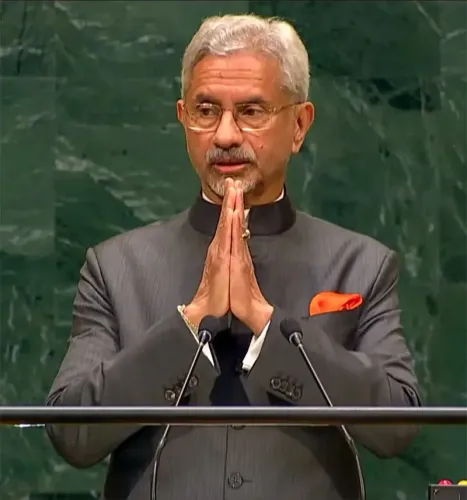
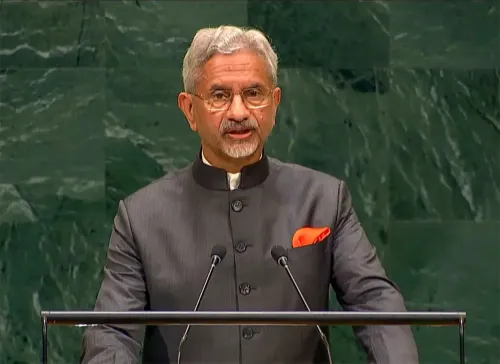
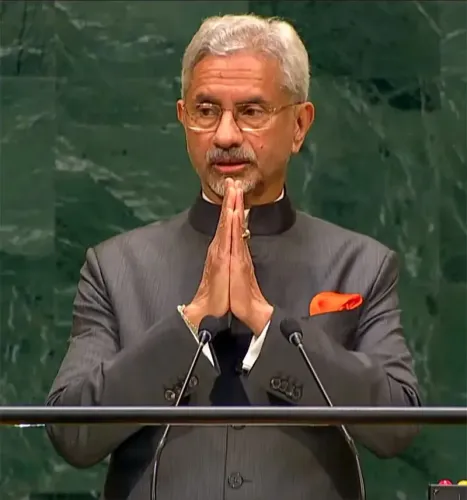
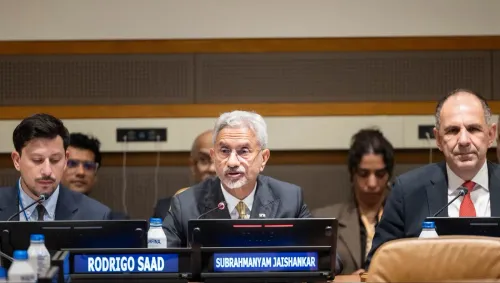
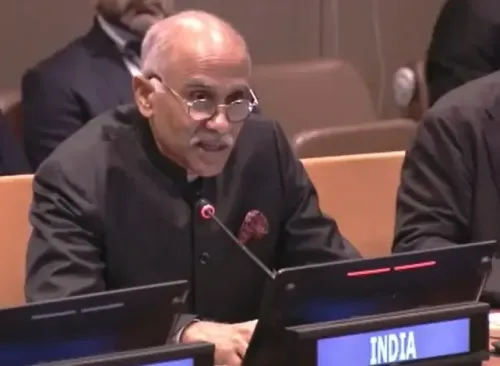
External Affairs Minister S. Jaishankar told the General Assembly that terrorism remained a persistent and clear threat to international peace and stability. He described state-sponsored cross-border terrorism as 'a direct affront to the global order' and insisted there could be no weakening of 'zero tolerance' towards terrorism in any form.
Jaishankar also flagged the misuse of artificial intelligence, warning that AI abuse was sharpening bias and eroding mutual respect among nations. His remarks placed the dangers of emerging technology alongside longstanding concerns about extremist networks and state support for terrorism, framing both as part of the same evolving security landscape.
Cambodia's Frontline Battle Against Online Fraud Networks
Cambodian Deputy Prime Minister and Foreign Minister Prak Sokhonn said his country had made the fight against online fraud 'one of our highest national priorities.' He acknowledged that while Cambodia was strengthening its laws, institutions, and operations against scam centres, the criminal networks operating them were spread across multiple countries and could not be dismantled by domestic action alone.
'No country can succeed alone,' Sokhonn said, calling for coordinated national, regional, and global action to disrupt and eliminate scam operations. Cambodia recently hosted an international conference on online scams with support from the UN Office on Drugs and Crime (UNODC), Interpol, and other organisations.
Sokhonn also noted that artificial intelligence and digital innovation, while capable of accelerating development, could equally fuel insecurity, inequality, and transnational crime when misused.
Other Countries Raise Regional and Transnational Threats
Colombia called on the international community to agree on a common legal definition of terrorism, arguing that the absence of a universally accepted definition had complicated global efforts to prosecute offenders, disrupt funding networks, and distinguish terrorism from other forms of violence. It also sought greater intelligence-sharing, judicial cooperation, and action against terrorist financing.
The Dominican Republic warned that criminal organisations in neighbouring Haiti controlled territory, trafficked weapons and people, and recruited children. President Luis Abinader said those networks threatened regional peace and security, and called for the full deployment of an internationally authorised force — one that had reportedly received only a fraction of its required personnel.
Seychelles raised the particular vulnerabilities of small island states. President Mathew Herminie said transnational organised crime, drug trafficking, and illegal fishing were damaging his country's economy and security. He called for stronger intelligence-sharing, wider maritime surveillance, and practical law-enforcement assistance, arguing that small nations policing vast ocean territories could not be held to the same standard as wealthier states without receiving the necessary equipment and resources.
The Philippines drew attention to the trafficking and exploitation of migrant workers. Foreign Secretary Theresa Lazaro said migrants were entitled to human rights protections regardless of their immigration status, and called for greater safeguards along dangerous migration routes.
The Defining Challenge: Crimes That Cross Borders
Across the speeches, a common thread emerged: modern security threats — online fraud, terrorism financing, trafficking, and illegal resource extraction — operate through loosely connected criminal organisations that exploit the gaps between national jurisdictions. Speakers argued that technology and cross-border financial systems have given criminal networks an asymmetric advantage over governments acting alone.
Notably, this is among the most coordinated multilateral pushes on transnational digital crime at the UNGA in recent years, reflecting growing alarm over the scale and sophistication of operations such as the Southeast Asian online scam compounds that have trapped thousands of victims, including Indian nationals, in forced labour situations.
Whether member states can translate the rhetoric of cooperation into binding legal frameworks and operational intelligence-sharing agreements remains the central test ahead.
Point of View
As Colombia rightly flagged, is not a procedural gap but a political one, and the UNGA floor is where that politics plays out most visibly. Cambodia's candour about its own domestic limitations with scam centres is notable: Phnom Penh is signalling accountability while simultaneously making a legal and diplomatic claim for burden-sharing. The real question after this session is whether the calls for coordination produce binding commitments or remain another round of well-intentioned speeches that criminal networks will continue to outpace.
NationPress
27 Sept 2026
Frequently Asked Questions
What did India's EAM Jaishankar say at the UN General Assembly on 27 September 2026?
External Affairs Minister S. Jaishankar told the UNGA that terrorism remains a persistent threat to international peace, describing state-sponsored cross-border terrorism as 'a direct affront to the global order.' He also warned that the misuse of artificial intelligence was sharpening bias and eroding mutual respect among nations.
Why is Cambodia concerned about online scam centres?
Cambodia has identified online fraud as one of its highest national priorities, as criminal scam networks operate across multiple countries and cannot be dismantled by domestic action alone. Cambodian Deputy PM Prak Sokhonn called for coordinated global action and noted Cambodia recently hosted an international conference on online scams with UNODC and Interpol support.
Why does the lack of a universal terrorism definition matter?
Without a universally accepted legal definition of terrorism, countries face difficulty prosecuting offenders across borders, disrupting financing networks, and distinguishing terrorism from other forms of violence. Colombia raised this at the UNGA as a key barrier to effective international counter-terrorism cooperation.
Which other countries raised security concerns at this UNGA session?
The Dominican Republic warned about criminal networks in Haiti trafficking weapons and people; Seychelles flagged transnational crime, drug trafficking, and illegal fishing threatening its economy; and the Philippines called for stronger human rights protections for migrant workers along dangerous migration routes.
What is the broader significance of this UNGA session on transnational crime?
The session reflects a growing international consensus that modern security threats — online fraud, terrorism financing, trafficking — exploit gaps between national jurisdictions. It represents one of the most coordinated multilateral pushes on digital and transnational crime at the UNGA in recent years, though translating speeches into binding legal frameworks remains the central challenge ahead.