Will the Union Budget Lay the Groundwork for Viksit Bharat?
Synopsis
As the Union Budget 2026-27 is set to be presented, the BJP celebrates it as a significant milestone for India, while the Congress stresses the need for a reality check. Will this budget truly reflect the nation's aspirations and challenges?
Key Takeaways
Union Budget 2026-27 aims for a Viksit Bharat by 2047.
Focus on inclusive growth for all sectors.
Concerns raised by Congress about ground realities .
Fiscal deficit projected to ease to 4.4% for FY26.
Key emphasis on infrastructure and employment generation .
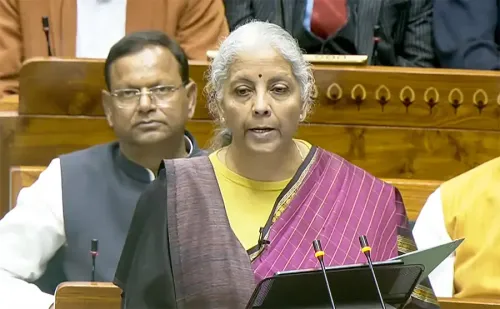
New Delhi, Feb 1 (NationPress) With Finance Minister Nirmala Sitharaman poised to unveil the Union Budget for 2026-27 in Parliament this Sunday, the BJP regards it as a pivotal occasion, while the Congress emphasizes the necessity for attention to local issues.
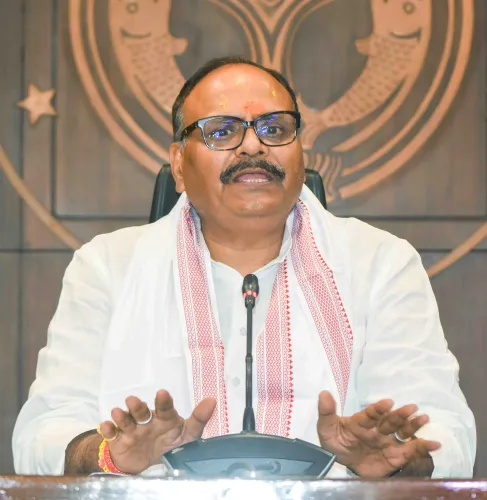
In response to the forthcoming Budget, Chhattisgarh's Deputy Chief Minister Arun Sao remarked, “This is a highly significant and historic day. This budget aims to establish the groundwork for a Viksit Bharat by 2047. It will embody the ethos of ‘Sabka Saath, Sabka Vikas’ and prioritize inclusive progress across various sectors.”
On the other hand, Congress MP Sukhdev Bhagat provided a critical viewpoint, asserting, “I wish for this budget to mirror the realities on the ground and favor the common populace. The economic survey indicates GDP growth; however, unemployment remains a pressing issue. The actual conditions, particularly in Jharkhand, are insufficiently represented, even though several MPs were elected from that region. Tribal communities need further backing, and the data must reflect real-world circumstances, not just be presented. The prior budget allowed for deductions in the education sector, but this time, the focus should be on health and education.”
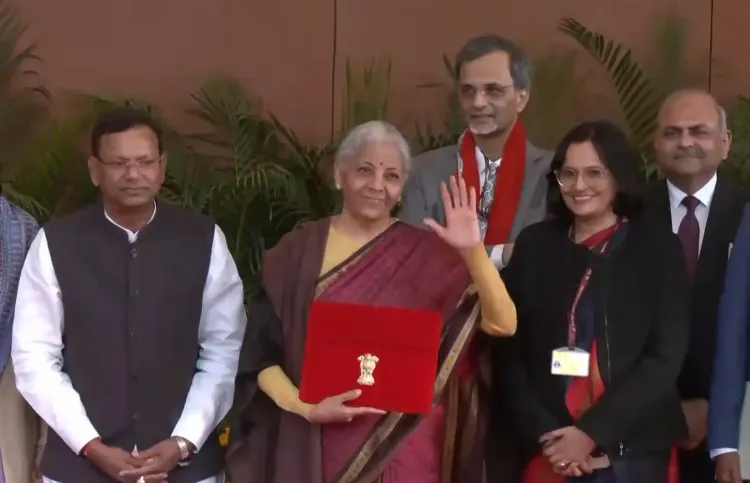
Sitharaman visited Rashtrapati Bhavan on Sunday to meet with President Droupadi Murmu before presenting the Union Budget for 2026-27. This marks her ninth consecutive budget presentation, establishing her as the first female finance minister to reach this milestone.
The upcoming Budget arrives as the Indian economy confronts both domestic and international hurdles. Domestic demand remains robust, and inflation has stabilized, yet challenges such as fluctuating commodity prices, geopolitical tensions, and ongoing trade disputes present risks. The Budget is anticipated to strike a balance between fiscal responsibility and initiatives aimed at sustaining growth, enhancing infrastructure, and creating jobs.
Analysts predict a focus on defense, infrastructure, capital expenditure, energy, and affordable housing, alongside targeted initiatives to boost consumption. Ensuring fiscal discipline is expected to be a key priority, with the fiscal deficit anticipated to reduce to 4.4 percent for FY26.
Point of View
The upcoming Union Budget is a crucial element in shaping India's economic landscape. It reflects the government's commitment to inclusive growth while addressing pressing concerns such as unemployment and the needs of marginalized communities. A balanced approach is necessary to ensure that the aspirations of all citizens are met.
NationPress
24 Sept 2026
Frequently Asked Questions
What is the significance of the Union Budget?
The Union Budget outlines the government's financial plan for the upcoming fiscal year, impacting various sectors and addressing economic challenges.
How does the Union Budget affect ordinary citizens?
The budget affects public services, taxation, and welfare schemes that directly influence the livelihoods of citizens.
What sectors are expected to be prioritized in this year's budget?
Experts expect a focus on defense, infrastructure, healthcare, and education in the upcoming budget.
What challenges does the Indian economy face currently?
The economy is grappling with issues such as unemployment, inflation, and global economic uncertainties.
Who is presenting the Union Budget this year?
Finance Minister Nirmala Sitharaman is set to present the Union Budget for the ninth consecutive time.