Secret Diplomacy Influences US Decision to Halt Iran Strikes
Synopsis
A series of secret diplomatic talks involving multiple nations has played a pivotal role in President Trump’s decision to suspend military actions against Iran. As tensions escalate, efforts for peace are underway, reflecting the urgent need for de-escalation in the region.
Key Takeaways
Backchannel talks have significantly influenced US military decisions.
The Strait of Hormuz remains a focal point of tension.
Multiple nations are involved in seeking a peaceful resolution.
There is skepticism about quick diplomatic resolutions due to major differences.
Ongoing efforts aim to establish communication channels with Iranian leadership.
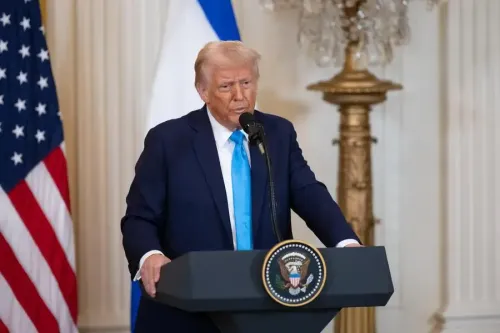
Washington, March 24 (NationPress) A sequence of secret negotiations significantly influenced President Donald Trump’s choice to halt proposed military actions against Iran, as reported by various US media outlets.
The Wall Street Journal indicated that representatives from Egypt, Saudi Arabia, Turkey, and Pakistan took part in confidential talks aimed at de-escalating the situation.
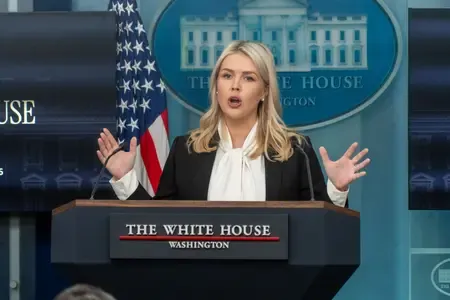
However, the White House remained tight-lipped about the specifics. White House Press Secretary Karoline Leavitt stated, “These are sensitive diplomatic discussions, and the United States will not engage in negotiations through the press,” according to IANS.
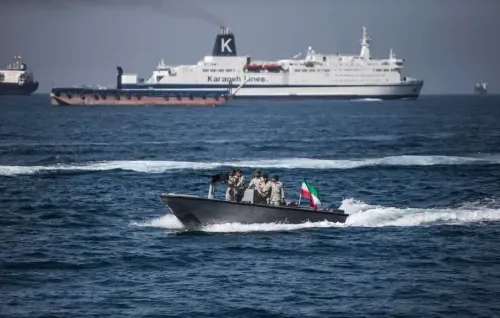
These diplomatic initiatives coincided with the nearing expiration of Trump’s 48-hour ultimatum for Iran to reopen the Strait of Hormuz, which had heightened concerns over potential strikes targeting Iranian infrastructure.
The reports suggest that Arab representatives sought to establish connections with Iranian leadership, exploring possibilities for a temporary cessation of hostilities to facilitate further dialogue.
Egyptian intelligence officials reportedly established a communication channel with Iran’s Islamic Revolutionary Guard Corps, a significant player in decision-making in Tehran.
Simultaneously, Oman was also working to alleviate tensions, with its foreign minister stating that the country was “actively engaged in arranging secure passage through the Strait of Hormuz.”
The New York Times noted that the United States and Iran were sending messages via intermediaries, but there was no indication of direct communication. Iranian officials refuted claims of ongoing negotiations.
The drive for diplomatic solutions underscores escalating concerns in the region, as Gulf nations fear the potential for broader attacks and are advocating for de-escalation.
Nevertheless, substantial differences persist. According to the Wall Street Journal, mediators expressed skepticism regarding a swift resolution, given the significant gaps between the two sides on critical matters such as Iran’s nuclear ambitions and security guarantees.
Preliminary discussions have also taken place regarding potential meetings in neutral locations like Pakistan or Turkey, though no formal arrangements have been confirmed.
Reports indicate that US envoys Steve Witkoff and Jared Kushner are spearheading these outreach efforts.
Point of View
The ongoing diplomatic efforts signal a critical juncture in US-Iran relations. The push for dialogue highlights the necessity of addressing underlying tensions through collaborative negotiations, prioritizing national and regional stability above all.
NationPress
23 Sept 2026
Frequently Asked Questions
What influenced President Trump's decision to pause strikes on Iran?
A series of backchannel talks involving several countries, including Egypt and Saudi Arabia, were crucial in shaping the decision.
What is the significance of the Strait of Hormuz in this context?
The Strait of Hormuz is a vital shipping lane for oil and trade; tensions in this area can lead to significant geopolitical instability.
Were there any direct talks between the US and Iran?
No, reports indicate that communication occurred through intermediaries, with Iranian officials denying ongoing negotiations.
Which countries are involved in the diplomatic talks?
Egypt, Saudi Arabia, Turkey, and Pakistan are among the nations participating in the closed-door discussions.
What are the main issues at stake in US-Iran relations?
Key issues include Iran's nuclear program, security guarantees, and the potential for military conflict in the region.