US Congress Divided Over State Department's Response to Middle East Crisis
Synopsis
In a recent hearing, US lawmakers clashed over the State Department's handling of the Middle East conflict, with Democrats arguing it endangered citizens while officials defended their readiness and operational effectiveness. This debate reflects a significant divide in Congress regarding the agency's capacity and reform needs.
Key Takeaways
US lawmakers are divided over the State Department's crisis response.
Democrats claim the agency failed to protect American citizens.
Officials defend the Department's readiness and operational effectiveness.
Concerns raised about travel advisories and staffing issues.
The Department oversees nearly 280 missions worldwide.
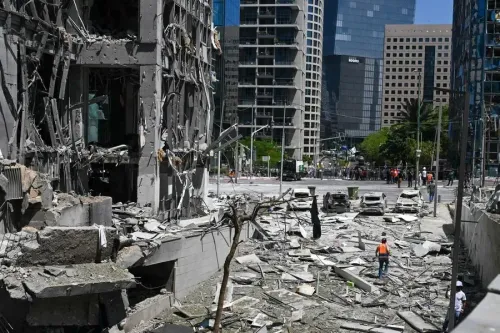
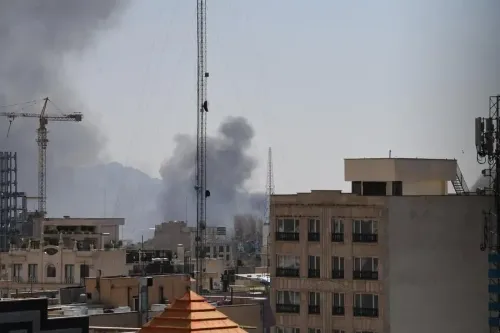
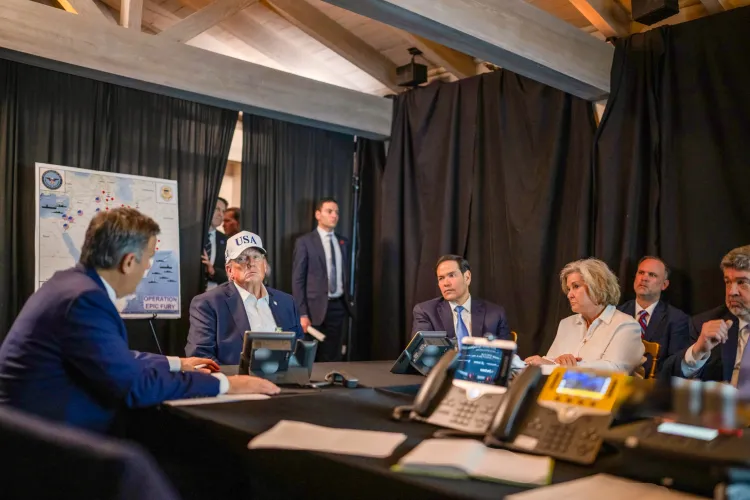
Washington, March 19 (NationPress) US legislators expressed stark differences regarding the State Department’s handling of the ongoing Middle East crisis. While Democrats asserted that the agency failed to safeguard American lives, officials defended the effectiveness of their response.
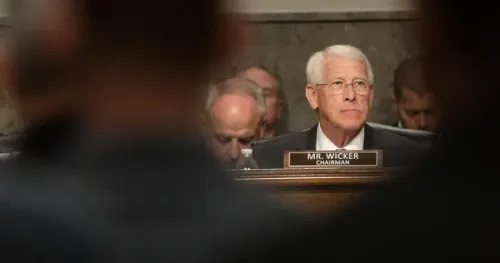
The congressional hearing occurred against a backdrop of escalating tensions in the region, prompting lawmakers to question the Department's preparedness.
Representative Gregory Meeks articulated his concerns, stating that the Department was “caught flat-footed.” He criticized the delays in issuing travel warnings and the evacuation strategies. “This represents a failure in the responsibility to protect American citizens,” he emphasized.
Meeks and his fellow Democrats attributed these shortcomings to substantial staffing reductions. “Today, we are witnessing a severely weakened State Department, diminished in both capacity and credibility,” he remarked.
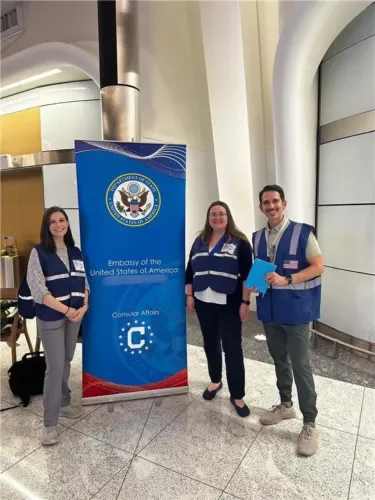
In contrast, Undersecretary of State for Management Jason Evans dismissed these criticisms, asserting that the Department acted promptly and remained functional. “Department personnel are working tirelessly around the clock globally on task forces aimed at assisting American citizens,” Evans stated, adding that “in recent weeks, the Department has provided support to tens of thousands of American nationals.”
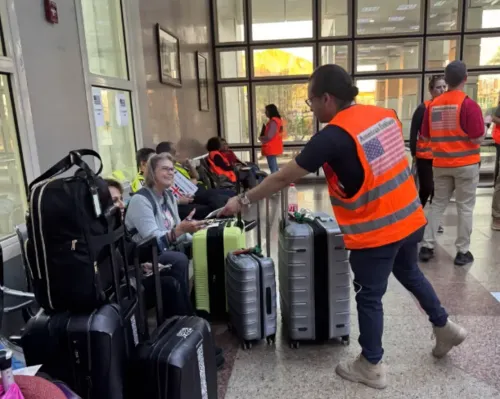
He confirmed that security and evacuation operations were still underway, with staff directed to safeguard US missions and personnel worldwide.
Concerns were also raised regarding travel advisories; some nations under siege were still categorized as “reconsider travel.” Meeks highlighted that this could create confusion for American travelers.
Evans countered that the guidance was reflective of the evolving situation, indicating that advisories warned of an “ongoing conflict” and urged caution.
Inquiries also revolved around the Department’s planning prior to the outbreak of conflict. While Evans opted not to elaborate on internal decisions, he reassured that the Department consistently prepares for emergencies.
“All of our Embassies have emergency action plans ready,” he confirmed.
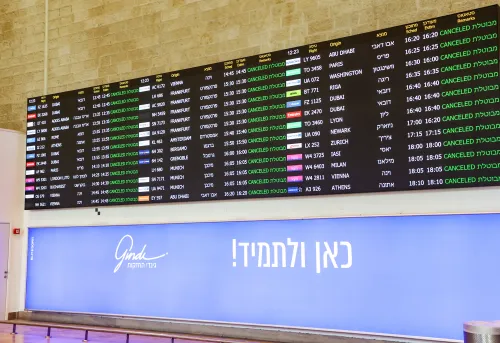
Some lawmakers argued that alerts were issued too late, resulting in limited commercial flight options and complicating Americans' ability to depart.
Evans mentioned that the Department utilized its alert system to reach out to citizens. He noted that teams were working diligently to facilitate evacuations through available routes.
The hearing underscored ongoing concerns about staffing levels. Critics argued that job cuts compromised the Department's effectiveness during a critical time.
Evans defended the changes, stating they were necessary to “restore mission focus” and enhance efficiency.
Lawmakers also pointed to unfilled Ambassador positions, to which Evans responded that senior diplomats were leading these missions and were capable of managing the circumstances.
The discussion revealed a significant divide within Congress: one faction warned of a weakened Department, while the other advocated for necessary reforms.
The State Department oversees nearly 280 missions across the globe.
Point of View
The ongoing conflict in the Middle East and the State Department's response highlight critical challenges in government preparedness and citizen safety. The tensions in Congress underline differing views on the agency's effectiveness, raising important questions about the future of American diplomatic efforts.
NationPress
23 Sept 2026
Frequently Asked Questions
What triggered the congressional hearing?
The hearing was prompted by escalating tensions in the Middle East and concerns regarding the State Department's readiness and response to protect American citizens.
What were the main criticisms from Democrats?
Democrats criticized the State Department for being 'caught flat-footed' and for delays in travel advisories and evacuation planning.
How did the Undersecretary of State respond to the criticisms?
Undersecretary Jason Evans defended the department's actions, stating that employees were working around the clock to assist American citizens and that security measures were ongoing.
What concerns were raised about travel advisories?
Lawmakers highlighted that some countries under attack were still categorized as 'reconsider travel,' potentially causing confusion for Americans.
What staffing issues were discussed during the hearing?
Critics pointed out that staffing cuts had weakened the State Department's capacity to respond effectively during the crisis.