US lawmakers introduce bills to reverse Trump's Russian diesel waivers
Synopsis
A rare bipartisan bloc in the US House has moved to legislatively void Trump's executive waiver allowing Russian diesel purchases — the first direct congressional challenge to what critics call a quiet rehabilitation of Kremlin energy revenues. With India among the largest buyers of Russian crude and an associated tariff waiver already in place, the outcome of these bills carries implications well beyond Washington.
Key Takeaways
Bipartisan US House lawmakers introduced two bills — H.R.
10828 — to nullify Trump's Russian diesel waiver .
General License 135 , issued by OFAC on 9 October , authorises Russian diesel transactions including US imports through April 2027 .
Brian Fitzpatrick's bill would amend the 2022 Ending Importation of Russian Oil Act to bar all future OFAC waivers on Russian energy.
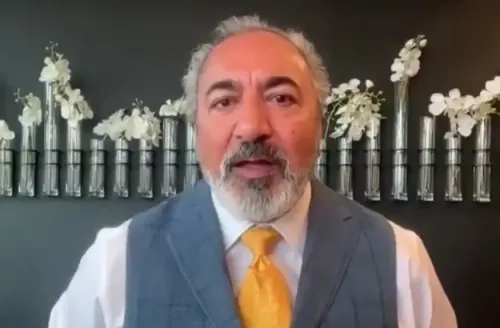
Gregory Meeks's bill has 17 co-sponsors , including Rep.
Ami Bera of California.
Trump also waived Russia sanctions under the Graham Act , sparing buyers like India from a threatened 100 per cent tariff on Russian crude.
Neither bill has been scheduled for a vote; House Speaker Mike Johnson says Congress needs to discuss the issue with the White House.
A bipartisan group of US House of Representatives lawmakers has introduced two separate bills aimed at nullifying President Donald Trump's decision to permit purchases of Russian diesel and to permanently bar future waivers on Russian energy imports — marking the first concrete legislative challenge to a series of executive moves that critics contend benefit the Kremlin.
The Two Bills and Their Sponsors
Republican Representative Brian Fitzpatrick of Pennsylvania introduced the Ronald Reagan Peace Through Strength Act of 2026 (H.R. 10866) on 22 October, with Republican Don Bacon of Nebraska and Democrat Marie Gluesenkamp Perez of Washington as original co-sponsors. Separately, Representative Gregory Meeks of New York — the senior Democrat on the House Foreign Affairs Committee — introduced the Prohibit Corrupt Russia Oil Deals Act (H.R. 10828) on 15 October, which has attracted 17 co-sponsors, including Indian American Representative Ami Bera of California and Bacon.
What Triggered the Legislation
Both bills target Russia-related General License 135, issued by the Treasury Department's Office of Foreign Assets Control (OFAC) on 9 October. The licence authorises transactions involving Russian-origin diesel — including imports into the United States — through April 2027. Five days after that diesel licence was issued, Trump also waived sanctions on Russia, including on energy, under the Lindsey O. Graham Sanctioning Russia and Iran Act of 2026, which had threatened a 100 per cent tariff on countries buying Russian oil. That waiver reportedly spared major Russian crude buyers, including India, from that tariff. India is among the largest buyers of Russian crude.
What the Bills Would Do
Fitzpatrick's measure would amend the Ending Importation of Russian Oil Act — enacted in 2022 following Russia's invasion of Ukraine — so that OFAC 'may not issue any waiver or general license' for importing Russian energy products, declare General License 135 to have 'no force or effect', and require US intelligence support for Ukraine. Meeks's bill would separately nullify OFAC's general licences and bar future ones, prohibit the US International Development Finance Corporation from investing in Russian energy, and require the administration to impose sanctions on Russian energy.
Key Quotes From Lawmakers
'We must not import a single drop of Russian oil. Congress made that decision with overwhelming bipartisan support in 2022, and that law remains in force,' Fitzpatrick said. 'It is not a suggestion, nor should its intent be undermined through administrative waivers,' he added. Bacon was pointed in his criticism of the President's reversal: 'For years, President Trump criticised Europe for buying Russian energy and propping up Putin's war economy. Now, Trump wants to make it easier for Putin to sell diesel fuel. He is wrong.' Gluesenkamp Perez argued, 'If the President is serious about bringing down gas prices, he should end the war in Iran, not send our tax dollars to Putin.' Meeks warned that the waiver 'will hand Putin millions of dollars to continue slaughtering Ukrainian civilians with impunity.'
Legislative Outlook and India Angle
Both bills have been referred to several House committees, and neither has been scheduled for a vote as of 26 October 2026. House Speaker Mike Johnson has indicated that lawmakers 'need to talk' to the White House about the easing of sanctions — stopping short of endorsing or opposing the bills outright. Fitzpatrick's bill, as currently drafted, deals specifically with US imports and US licences and does not address the Graham Act's tariff-waiver authority — meaning India's current exemption from the 100 per cent tariff is not directly imperilled by his legislation. Notably, the 2022 Ending Importation of Russian Oil Act bans imports of Russian crude oil, petroleum products, liquefied natural gas, and coal into the United States — and critics argue the Trump administration's waivers circumvent that statutory prohibition. Whether the Republican-controlled House advances these bills will be a significant test of congressional appetite to check executive energy policy on Russia.
Point of View
It signals genuine unease rather than routine opposition theatre. Yet the bills face a steep climb in a House where Speaker Johnson's noncommittal response telegraphs leadership reluctance. The deeper contradiction is Trump's own pre-presidency rhetoric: he repeatedly lambasted Europe for underwriting Putin through energy purchases, and these lawmakers are now using exactly that argument against him. For India, the more consequential waiver — the Graham Act tariff exemption on Russian crude — is not addressed by either bill, leaving New Delhi's energy calculus unchanged for now.
NationPress
26 Oct 2026
Frequently Asked Questions
What are the two US bills targeting Trump's Russian energy waivers?
The two bills are the Ronald Reagan Peace Through Strength Act of 2026 (H.R. 10866), introduced by Rep. Brian Fitzpatrick on 22 October, and the Prohibit Corrupt Russia Oil Deals Act (H.R. 10828), introduced by Rep. Gregory Meeks on 15 October. Both aim to nullify General License 135, which allows Russian diesel transactions including US imports through April 2027.
What is General License 135 and why is it controversial?
General License 135 is an OFAC authorisation issued on 9 October 2026 that permits transactions involving Russian-origin diesel, including imports into the United States, through April 2027. Critics argue it circumvents the 2022 Ending Importation of Russian Oil Act, which Congress passed with bipartisan support to ban Russian energy imports following Russia's invasion of Ukraine.
How does this affect India's purchase of Russian crude?
India is among the largest buyers of Russian crude and was potentially subject to a 100 per cent tariff under the Lindsey O. Graham Sanctioning Russia and Iran Act of 2026. Trump's broader Russia sanctions waiver reportedly spared India from that tariff. Fitzpatrick's bill does not address this Graham Act waiver, so India's current exemption is not directly threatened by his legislation.
What is the legislative status of these bills?
As of 26 October 2026, both bills have been referred to several House committees and neither has been scheduled for a floor vote. House Speaker Mike Johnson has said lawmakers 'need to talk' to the White House about the sanctions easing, indicating leadership has not yet taken a firm position.
Who are the key lawmakers backing these bills?
Rep. Brian Fitzpatrick (Republican, Pennsylvania) leads H.R. 10866, co-sponsored by Republican Don Bacon of Nebraska and Democrat Marie Gluesenkamp Perez of Washington. Rep. Gregory Meeks (Democrat, New York) leads H.R. 10828, which has 17 co-sponsors including Rep. Ami Bera of California and Rep. Bacon.