US Sanctions Chinese Refinery & 40 Vessels Over Iran Oil Trade
Synopsis
The US has sanctioned China's Hengli Petrochemical — Iran's second-largest crude buyer — along with 40 shadow fleet vessels, in the most aggressive single-day Iran oil enforcement action of 2025. Over 1,000 Iran-linked entities have been targeted since February alone, signaling a dramatic escalation under Trump.
Key Takeaways
Hengli Petrochemical (Dalian) Refinery Co., Ltd. , China's second-largest independent refinery, was sanctioned by the US Treasury's OFAC on April 25, 2025 for purchasing billions of dollars in Iranian oil.
Approximately 40 shipping companies and vessels — Iran's so-called "shadow fleet" — were simultaneously targeted for covertly transporting Iranian crude oil and petrochemicals globally.
Hengli's transactions allegedly generated "hundreds of millions of dollars in revenue" for the Iranian military through intermediary Sepehr Energy Jahan Nama Pars Company .
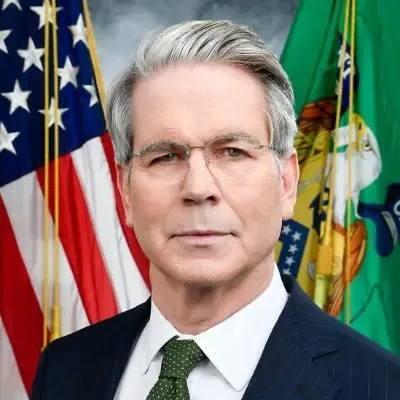
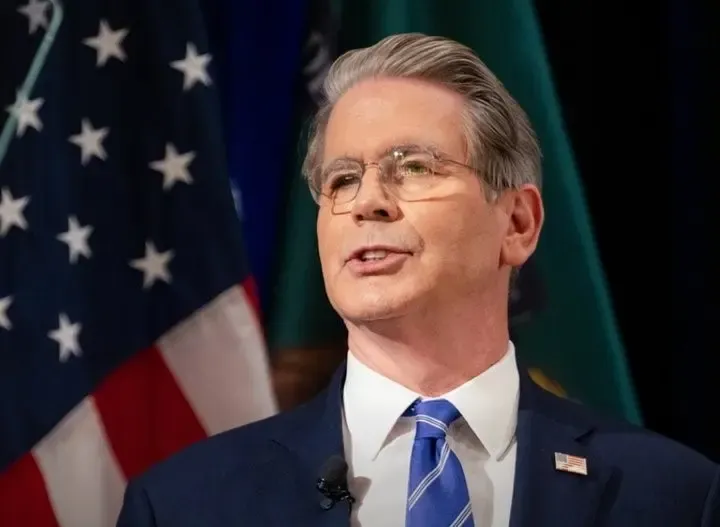
Treasury Secretary Scott Bessent warned that any entity facilitating Iran's oil flows risks direct US sanctions exposure , including civil and criminal penalties.
The action was taken under Executive Order 13902 and is part of a campaign that has sanctioned over 1,000 Iran-linked entities since February 2025 .
Vessels operated under flags from Panama, Hong Kong, and Barbados , with deliveries traced to China, the UAE, and Bangladesh .
Washington, April 25: The United States has imposed sweeping sanctions on a major China-based oil refinery and approximately 40 shipping companies and vessels connected to Iran's petroleum trade, marking one of the most aggressive moves yet under the Trump administration's campaign to choke off Tehran's energy income. The action, announced on April 25, 2025, directly targets Hengli Petrochemical (Dalian) Refinery Co., Ltd., identified as one of Iran's single largest buyers of crude oil.
Hengli Petrochemical: China's Key Buyer of Iranian Crude
The US Treasury Department's Office of Foreign Assets Control (OFAC) designated Hengli Petrochemical (Dalian) Refinery Co., Ltd. as a primary recipient of Iranian oil exports, describing it as China's second-largest independent refinery — part of a network informally known as "teapot" refineries. According to Treasury officials, Hengli has purchased "billions of dollars' worth" of Iranian petroleum products over time.
The Treasury further revealed that Hengli received shipments tied to sanctioned vessels and to Iran's Armed Forces General Staff through intermediary firm Sepehr Energy Jahan Nama Pars Company. These transactions are alleged to have generated "hundreds of millions of dollars in revenue for the Iranian military."
China's independent refineries collectively absorb the bulk of Iran's crude exports, making them a critical financial pipeline for Tehran. By sanctioning Hengli specifically, Washington is sending a direct warning to Beijing's entire refining sector.
Shadow Fleet Targeted: 40 Vessels Sanctioned
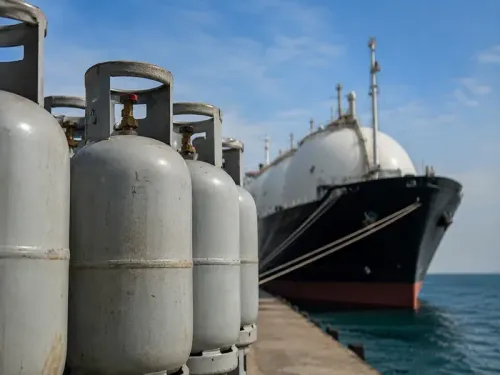
In a parallel action, the US Treasury sanctioned 19 vessels accused of transporting billions of dollars worth of Iranian crude oil, liquefied petroleum gas (LPG), and petrochemical products. These ships operated under flags from Panama, Hong Kong, and Barbados, using jurisdictional cover to obscure their activities.
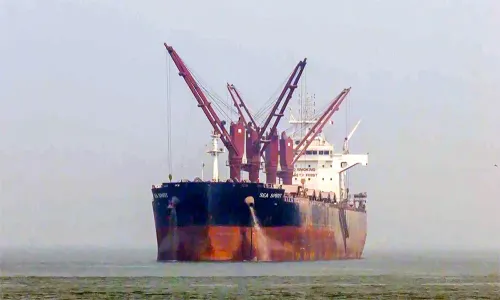
Some tankers were specifically cited for delivering millions of barrels of Iranian oil to China, while others were linked to deliveries destined for the United Arab Emirates and Bangladesh. The Treasury noted that several vessels engaged in ship-to-ship transfers — a well-documented technique used to disguise the origin of sanctioned cargo.
Altogether, the broader action targets approximately 40 shipping firms and vessels that US officials describe as Iran's "shadow fleet" — a covert logistics network designed to bypass international sanctions and sustain Tehran's oil revenues.
Treasury Secretary Bessent Issues Stark Warning
Treasury Secretary Scott Bessent framed the action in unambiguous terms. "Economic Fury is imposing a financial stranglehold on the Iranian regime, hampering its aggression in the Middle East, and helping to curtail its nuclear ambitions," Bessent stated in the official announcement.
He added: "At President Trump's direction, Treasury will continue to constrict the network of vessels, intermediaries, and buyers Iran relies on to move its oil to global markets. Any person or vessel facilitating these flows — through covert trade and finance — risks exposure to US sanctions."
The action was taken under Executive Order 13902, which specifically authorizes sanctions targeting Iran's petroleum and petrochemical sectors. It forms part of a broader, accelerating pressure campaign that the Trump administration has pursued since returning to office.
Sanctions Campaign: Over 1,000 Iran-Linked Targets Since February 2025
The scale of Washington's current Iran pressure campaign is striking. Since February 2025, the US Treasury says it has sanctioned more than 1,000 Iran-related individuals, entities, vessels, and aircraft — a pace that far exceeds previous administrations' enforcement timelines.
Under US law, all property and interests of designated entities within US jurisdiction are immediately blocked. American persons and institutions are broadly prohibited from transacting with these parties, and foreign entities risk secondary sanctions penalties for facilitating such activity.
The Treasury explicitly warned that violations could result in civil or criminal penalties, and that financial institutions engaging with designated entities face direct sanctions exposure — a signal aimed squarely at international banks and trade finance firms that may still be processing Iran-linked transactions.
Geopolitical Implications: US-China Tensions and Iran's Nuclear Calculus
This action arrives at a particularly sensitive moment in US-China relations, already strained by escalating trade tariffs and technology restrictions. By sanctioning a named Chinese company of Hengli's scale, Washington is directly challenging Beijing's posture of quietly absorbing Iranian oil while publicly distancing itself from Tehran's geopolitical conduct.
Notably, Iran's oil export revenues directly fund its military apparatus, regional proxy networks, and — according to US officials — its nuclear weapons development program. Cutting that revenue stream is therefore not merely an economic measure but a national security intervention with implications stretching from the Persian Gulf to South Asia.
Critics argue that without Chinese compliance, US sanctions on individual refineries may have limited long-term impact, as Tehran has historically found new buyers and routing mechanisms within months of each enforcement action. However, sanctioning a firm of Hengli's size and visibility raises the reputational and financial stakes considerably for any Chinese entity considering similar purchases.
As US-Iran nuclear negotiations remain in flux and regional tensions continue to simmer, Washington's escalating sanctions pressure signals that the Trump administration intends to make Iran's oil trade increasingly untenable — with China's refining sector now firmly in the crosshairs.
Point of View
000 Iran-linked entities sanctioned in under three months, the US is not just squeezing Tehran — it is systematically dismantling the global infrastructure that keeps sanctioned oil moving, forcing every intermediary, insurer, and financier in the chain to make a stark choice between the Iranian market and the US financial system.
NationPress
22 Sept 2026
Frequently Asked Questions
Why did the US sanction Hengli Petrochemical in China?
The US sanctioned Hengli Petrochemical (Dalian) because it is identified as one of Iran's largest buyers of crude oil, having purchased billions of dollars worth of Iranian petroleum. The Treasury found that Hengli's purchases generated hundreds of millions of dollars in revenue for the Iranian military.
What is Iran's shadow fleet and why is it being targeted?
Iran's shadow fleet refers to a network of vessels that covertly transport Iranian oil to global markets, often using ship-to-ship transfers and flags of convenience to disguise the cargo's origin. The US sanctioned approximately 40 such vessels to cut off the financial lifeline these ships provide to the Iranian government.
How many entities has the US sanctioned over Iran in 2025?
Since February 2025, the US Treasury has sanctioned more than 1,000 Iran-related individuals, entities, vessels, and aircraft as part of its escalating economic pressure campaign. This marks an unprecedented pace of Iran-related enforcement actions.
What legal authority did the US use to impose these Iran oil sanctions?
The sanctions were imposed under Executive Order 13902, which specifically authorizes the US government to target Iran's petroleum and petrochemical sectors. Violations can result in civil or criminal penalties for US persons and secondary sanctions for foreign entities.
How do US Iran sanctions affect Chinese companies and banks?
Chinese companies and financial institutions that transact with designated Iranian entities risk being cut off from the US financial system through secondary sanctions. The Treasury explicitly warned that any person or vessel facilitating Iran's oil trade — regardless of nationality — is exposed to US sanctions.