How Will the US Tariff Reduction Impact the Indian Carpet Industry?

Synopsis
The recent reduction of US tariffs on Indian carpets from 50% to 18% is set to reinvigorate India's carpet industry. This shift promises to enhance export opportunities and restore buyer confidence in the US market, ultimately benefiting thousands of artisans and weavers in Uttar Pradesh.
Key Takeaways
US tariffs on Indian carpets reduced from 50% to 18% Renewed optimism among exporters in Bhadohi Potential increase in demand for Indian hand-knotted carpets Job creation for thousands of artisans and weavers Strengthened global competitiveness of India's carpet industry
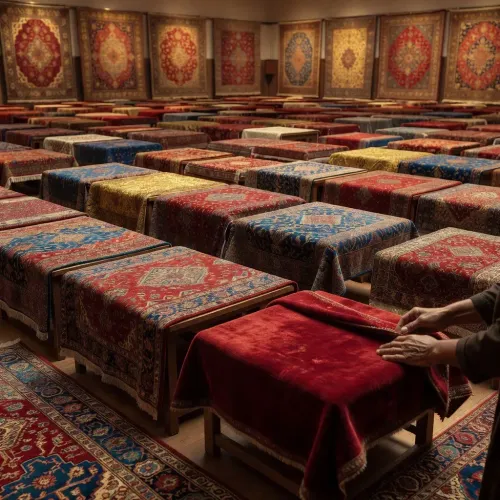
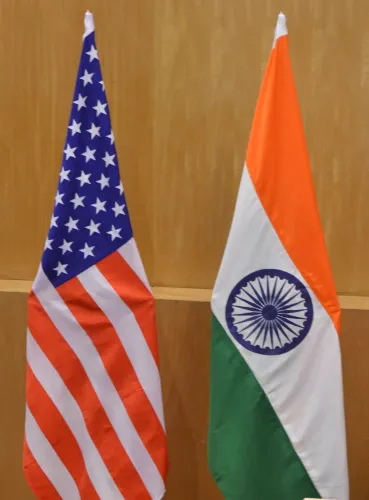
Bhadohi, Feb 3 (NationPress) A significant enhancement for India’s carpet sector has emerged as the United States has reduced import duties on Indian carpets from 50% to 18%. This pivotal decision has instilled fresh optimism among exporters situated in UP’s Bhadohi—known as India’s carpet hub—and has fortified the nation’s stance in the face of fierce competition from neighboring countries in the global marketplace.
India's annual carpet exports reach nearly Rs 17,000 crore, with the US representing over 70% of total exports. Previously imposed high tariffs led to increased prices for American buyers, prompting them to seek cheaper alternatives from nations like Pakistan, Turkey, Afghanistan, and China.
Experts predict that the tariff reduction will reverse this trend, making Indian carpets more competitively priced and restoring buyer confidence in the US market.
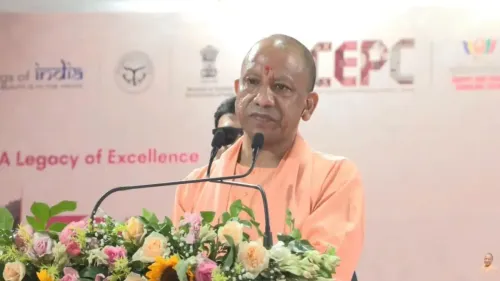
Imtiyaz Ahmed, Director of the Carpet Export Promotion Council (CEPC) and a notable exporter from Bhadohi, welcomed the decision as a “lifeline” for the industry.
“This change comes at a time of intense global competition. High tariffs had posed a significant challenge for us. With the duty now set at 18%, we can lower our costs and enhance our presence in the global market with superior quality products,” stated Imtiyaz Ahmed. Industry analysts believe that this tariff cut will lead to a substantial increase in demand for Indian hand-knotted carpets in the US.
The previous high import duties had driven American buyers to explore options from lower-cost nations such as China and Pakistan. However, exporters are now optimistic that prices will decline, anticipating fresh orders for weaving clusters in Bhadohi, Mirzapur, and Varanasi.
This revitalization is expected to generate employment for thousands of weavers and artisans in Uttar Pradesh, many of whom have faced reduced job opportunities in recent months.
With the tariff barrier lifted, exporters are optimistic that India’s carpet industry—rooted in centuries of craftsmanship—will regain momentum and reaffirm its leadership on the international stage.
Point of View
It is essential to recognize the potential positive implications for India's carpet industry. This move not only strengthens India's competitive edge but also fosters economic growth and job creation in a sector rich in tradition and craftsmanship. As we navigate the complexities of global trade, such developments are vital in supporting local industries and preserving cultural heritage.
NationPress
6 Oct 2026
Frequently Asked Questions
What was the previous tariff rate on Indian carpets?
The previous tariff rate on Indian carpets was 50%.
To what percentage has the US reduced the tariff on Indian carpets?
The US has reduced the tariff on Indian carpets to 18%.
Why did US buyers seek carpets from other countries?
Due to the high tariffs, US buyers found Indian carpets to be more expensive and sought cheaper options from countries like Pakistan and China.
What are the expected outcomes of the tariff reduction?
The expected outcomes include increased demand for Indian carpets, restored buyer confidence, and job creation for thousands of artisans and weavers.
Who is the Director of the Carpet Export Promotion Council?
Imtiyaz Ahmed is the Director of the Carpet Export Promotion Council (CEPC).