Is the India-US Trade Deal a Game-Changer for MedTech and Pharma?
Synopsis
The India-US trade deal marks a significant shift for MedTech and pharma sectors, reducing tariffs and enhancing global competitiveness. Experts believe this agreement will boost investments and job creation while reinforcing India's position in global healthcare.
Key Takeaways
Reduction of tariffs from 50% to 18% enhances competitiveness.
Strengthens India’s position in global healthcare .
Encourages investment and job creation in the MedTech sector.
Provides Indian manufacturers a competitive edge over Chinese products.
Fosters greater access for Indian generics and biosimilars in the US.
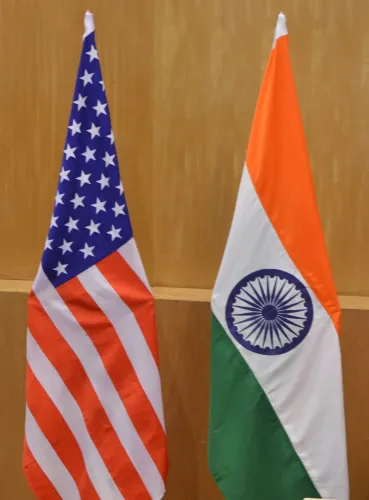
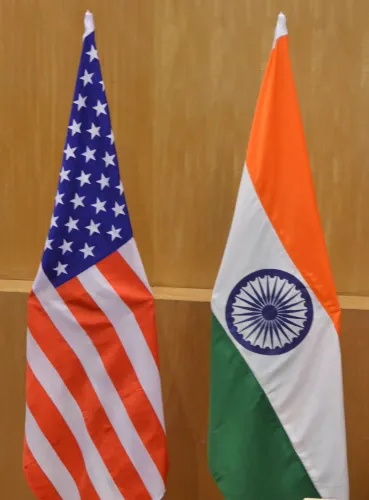
New Delhi, Feb 3 (NationPress) The recent trade agreement between India and the US is poised to transform the landscape for the Indian MedTech and pharmaceutical industries, according to industry experts on Tuesday.
In a landmark decision, the US has reduced tariffs on Indian exports from 50 percent to 18 percent, marking a significant improvement in India-US trade relations.
The US stands as India's largest export market, representing approximately 20 percent of total exports.
The Association of Indian Medical Devices (AiMeD) has welcomed this agreement, stating it could serve as a “critical enhancement for our manufacturers, boosting global competitiveness, attracting investments, and generating employment.”
“The US tariff reduction from 50 percent to 18 percent is revolutionary for Indian medical devices, significantly lowering export expenses and opening up billions in US market opportunities amidst shifts towards China+1. We advocate for sustained regulatory alignment between India and the US to fully leverage this chance for ‘Make in India’ MedTech triumph,” expressed Rajiv Nath, Forum Coordinator of AiMeD.
Nath further pointed out that this cut in US tariffs gives Indian medical devices a competitive advantage over their Chinese counterparts, which are subject to higher Section 301 tariffs, typically around 25 percent plus additional increases (up to 50-60 percent on some products like respirators).
“Previously, India faced tariffs as high as 50 percent, while China had rates around 30 percent. The new agreement places India’s tariff rate below China’s base, favoring India during the China+1 diversification phase,” he added.
The Pharmaceuticals Export Promotion Council of India (Pharmexcil) also emphasized the positive ramifications of the India-US trade agreement for the pharmaceutical sector.
“This trade agreement represents a crucial turning point for the pharmaceutical industry, with notable aspects including the reduction of tariffs on Indian goods exports,” stated Namit Joshi, Chairman of Pharmexcil.
“The decrease in reciprocal duties is increasingly favorable for Indian pharmaceutical companies, particularly those heavily reliant on the US market, which constitutes 30-40 percent of the sector's total revenue,” he added.
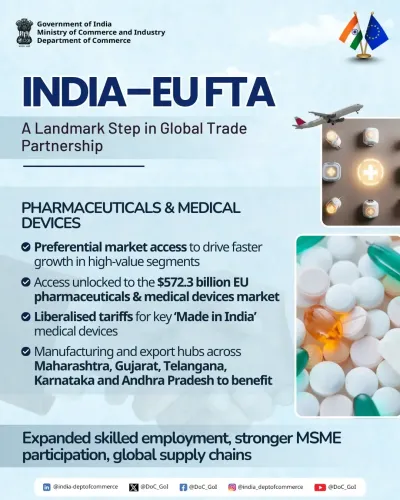
Joshi further emphasized that this deal enhances market access for Indian generics and biosimilars, solidifying India’s status as a global leader in affordable healthcare.
“By strengthening trade relations, streamlining regulatory processes, and ensuring supply chain robustness, this agreement will spur growth in India's pharmaceutical exports, unveil new innovation opportunities, and reinforce the country’s pivotal role in global healthcare,” the expert concluded.
Point of View
It’s imperative to recognize the transformative potential of the recent India-US trade agreement. This deal is not just about tariff reductions; it symbolizes a broader commitment to strengthening economic ties and enhancing India's global standing in MedTech and pharmaceuticals. It’s a strategic opportunity that could drive innovation, investment, and ultimately, improve healthcare access worldwide.
NationPress
23 Oct 2026
Frequently Asked Questions
What is the significance of the India-US trade deal?
The trade deal significantly reduces tariffs on Indian exports, enhancing competitiveness for Indian MedTech and pharmaceutical sectors.
How much have the tariffs been reduced?
The tariffs on Indian exports have been reduced from 50% to 18%.
Who benefits from the trade deal?
Indian manufacturers in the MedTech and pharma sectors benefit from reduced export costs and improved market access.
What impact does this deal have on China?
The reduced tariffs provide Indian products a competitive edge over Chinese counterparts, which face higher tariffs.
What does this mean for Indian pharmaceutical companies?
The deal opens new opportunities for Indian pharmaceutical companies in the US market, which is vital for their revenue.