US Declares Space a Crucial Warfighting Arena Amid Rising Threats
Synopsis
The US has declared space a critical battleground, emphasizing the escalating capabilities of China and Russia to threaten American satellites. This shift underscores the growing reliance on space systems in modern warfare.
Key Takeaways
Space is now a contested battlefield with rising threats.
China and Russia are developing capabilities to target US satellites.
Modern warfare heavily relies on space systems for military operations.
The US is investing in more resilient satellite networks and accelerating acquisitions.
Collaboration with private companies is vital for technological advancements.
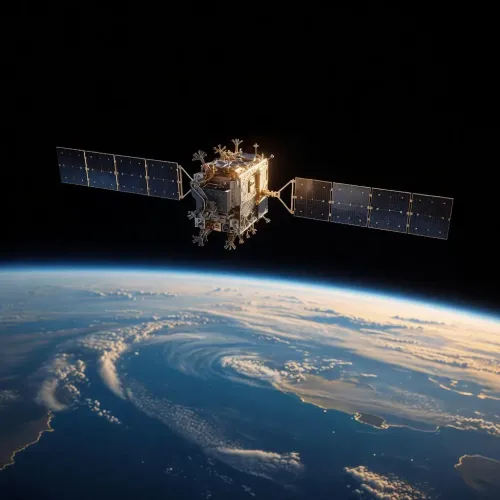
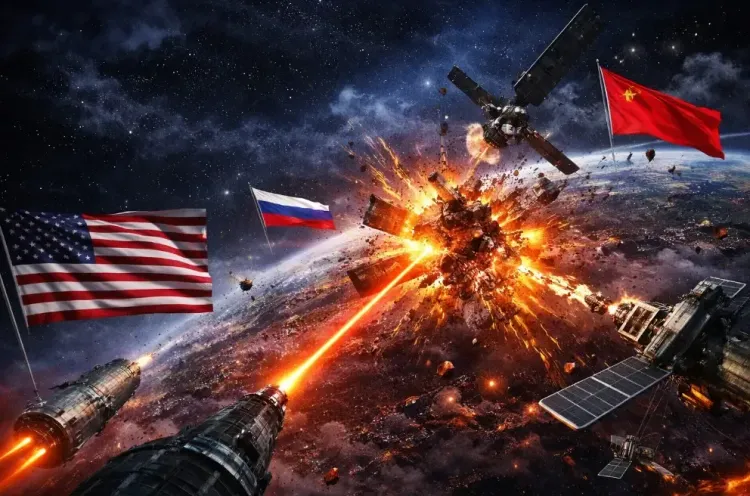
Washington, March 26 (NationPress) The United States has issued a warning that space has evolved into a contested battlefield, with both China and Russia enhancing their capabilities to pose threats to American satellites.
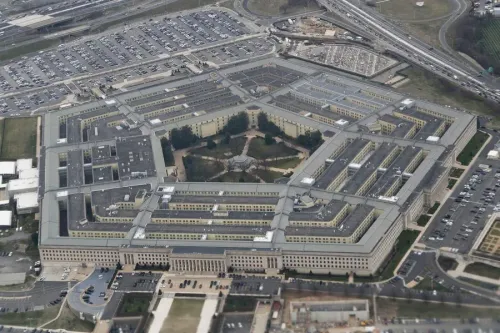
During a briefing on Wednesday (local time), senior defence and intelligence officials informed lawmakers that contemporary warfare is increasingly reliant on space infrastructure, which encompasses communications, navigation, and intelligence systems.
Marc Berkowitz, the Assistant Secretary of War for Space Policy, stated, “Outer space has become a complex and contested warfighting arena.”
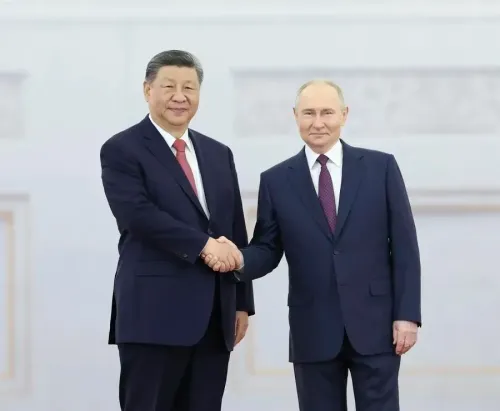
He noted that adversaries are developing technologies aimed at denying the US access to space and undermining its military advantages. He characterized China as the “pacing competitor” that is influencing US strategic approaches.
Officials pointed out that recent conflicts have highlighted the strategic importance of space, citing operations in the Middle East and insights from the Ukraine situation. Satellite systems have been instrumental in tracking targets, supporting ground troops, and counteracting enemy maneuvers.
Lt Gen Douglas Schiess of the US Space Force emphasized that achieving space superiority is essential for military success. He stated that Guardians provide critical support such as missile warnings, communications, and electronic warfare capabilities directly to military units.
There is a growing concern among officials regarding the increase in threats to space assets, which now include anti-satellite weapons, cyber threats, and electronic jamming tactics.
The National Geospatial-Intelligence Agency has reported that adversaries are investing in systems designed to “disrupt, degrade, and deny access” to space.
Furthermore, the National Reconnaissance Office announced plans to expand its satellite network, which currently operates over 200 satellites, as part of its strategy to develop more resilient systems.
US officials are also aiming to accelerate space acquisition processes and are increasingly partnering with private companies to innovate and deliver new technologies.
Thomas Ainsworth, the Air Force’s leading space acquisition official, expressed that the objective is to provide capabilities more quickly and at reduced costs, emphasizing the importance of integrating innovation from the commercial space sector.
Lawmakers voiced concerns regarding the defense industrial base, warning that supply chain issues and workforce shortages could potentially hinder future space initiatives.
This discussion comes as the Trump administration advocates for a new missile defense strategy known as the Golden Dome, which will depend on space-based sensors and interceptors to identify and neutralize advanced threats.
Officials concluded that control of space will significantly influence future military conflicts. Satellites are now integral to almost every military operation conducted on land, sea, and air.
The US has relied on space systems for many decades, but the domain is becoming increasingly crowded and competitive. China has rapidly broadened its satellite networks while Russia continues to refine its counter-space weaponry.
The intensifying competition in space is anticipated to bolster cooperation with allies and partners, particularly in the Indo-Pacific region, where China's capabilities represent a considerable concern.
Point of View
It is crucial to recognize the evolving nature of warfare. The emphasis on space as a contested domain reflects the changing landscape of military strategy. The US must adapt to these new challenges while fostering alliances and investing in technological advancements.
NationPress
23 Sept 2026
Frequently Asked Questions
Why is space considered a warfighting domain?
Space is seen as a warfighting domain because modern military operations heavily rely on space systems for communications, navigation, and intelligence, making it a critical area for strategic control.
What are the main threats to US space assets?
The primary threats to US space assets include anti-satellite weapons, cyber attacks, and electronic jamming, which adversaries are increasingly developing.
How is the US responding to these threats?
The US is accelerating space acquisitions, expanding its satellite network, and collaborating with private companies to enhance its technological capabilities.
What role do satellites play in military operations?
Satellites are crucial for tracking targets, supporting troops on the ground, and providing vital communications, making them essential for modern military operations.
How does the competition in space affect US strategy?
The growing competition in space necessitates deeper cooperation with allies and partners, particularly in regions like the Indo-Pacific, where threats from nations like China are significant.