Has Uttarakhand Achieved Over 1 GW in Solar Energy Installation?
Synopsis
Uttarakhand has made significant strides in renewable energy, surpassing 1 GW in solar power installations. This milestone reflects the state's commitment to sustainable development and energy independence, amid ongoing projects and supportive policies.
Key Takeaways
Uttarakhand installs over 1 GW of solar capacity.
Significant contributions from various solar projects.
Alignment with national renewable energy goals.
Supportive policies accelerate solar energy adoption.
Focus on creating local employment through green initiatives.
Dehradun, Feb 18 (NationPress) Uttarakhand has surpassed the impressive milestone of 1 gigawatt (GW) in installed solar power capacity, representing a crucial advancement in the state’s commitment to renewable energy and sustainable development.
As per official statistics, the overall installed solar capacity in the state has reached approximately 1,027.87 megawatts, showcasing consistent progress in enhancing clean energy infrastructure.
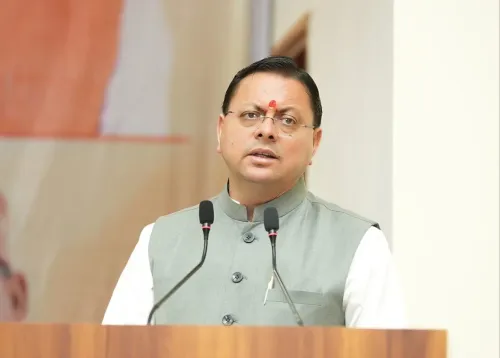
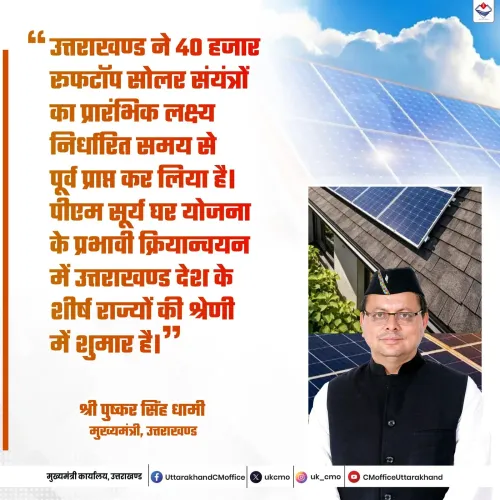
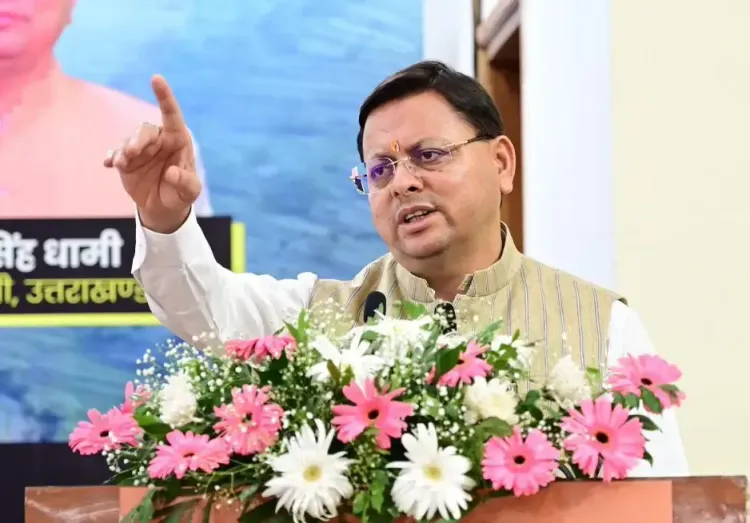
Chief Minister Pushkar Singh Dhami remarked that this achievement resonates with the renewable energy vision set forth by Prime Minister Narendra Modi, aligning with the larger objective of fostering an “Atmanirbhar Bharat” through green energy initiatives. He emphasized that collaborative efforts between Central schemes and state programmes have successfully generated self-employment opportunities for the youth and local entrepreneurs.
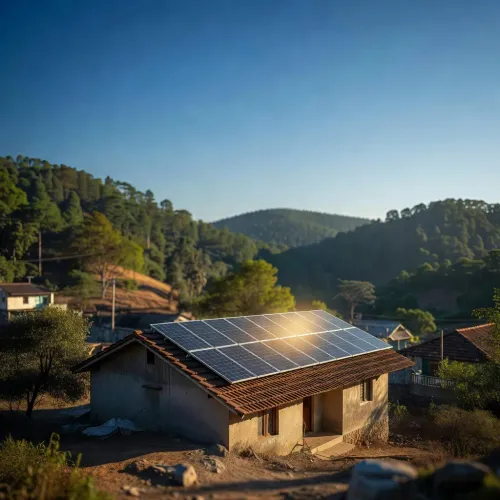
Officials indicate that this milestone has been accomplished through a diverse range of initiatives, including grid-connected rooftop systems, ground-mounted solar plants, installations on government buildings, solar pumps for agriculture, and projects catering to the commercial and industrial sectors.
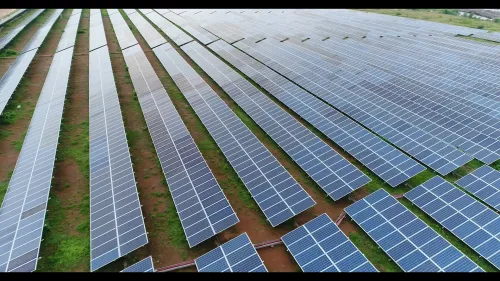
Out of the total installed capacity, around 397 MW is derived from ground-mounted projects, 241 MW from rooftop solar installations under the PM Surya Ghar scheme, 137 MW under the Chief Minister Solar Self-Employment Scheme, and 110 MW from commercial net metering. Additional contributions include 51 MW from captive solar plants, 37 MW from canal-top and canal-bank projects, and 26 MW installed on government buildings.
Ongoing efforts include more than 100 MW under the Chief Minister Solar Self-Employment Scheme, 30 MW of captive solar capacity, and 13.5 MW on government facilities.
The Uttarakhand Renewable Energy Development Agency has been instrumental in executing solar projects throughout the state, especially in remote and mountainous regions, by providing technical support, conducting awareness campaigns, and implementing government schemes.
According to officials, favorable policies, subsidies, streamlined approval processes, and incentives for private investments have significantly accelerated the adoption of solar energy in the state. The expansion of solar capacity is anticipated to mitigate carbon emissions, bolster energy security, and create local employment opportunities.
The state government aims to further amplify solar installations, broaden access in remote areas, and enhance public engagement in clean energy initiatives.
Point of View
Uttarakhand's achievement in solar energy installation is a commendable step toward a greener future. The state's initiatives align well with national objectives aimed at promoting renewable energy, showcasing a model that could inspire other regions. The collaboration between various levels of government and the focus on local entrepreneurship can serve as a blueprint for sustainable development.
NationPress
18 Oct 2026
Frequently Asked Questions
What is the total solar capacity installed in Uttarakhand?
Uttarakhand has reached a total installed solar capacity of approximately 1,027.87 megawatts.
How does Uttarakhand's solar achievement align with national goals?
This achievement aligns with Prime Minister Modi’s vision for an Atmanirbhar Bharat, focusing on renewable energy and sustainable development.
What types of solar projects are included in this milestone?
The milestone includes grid-connected rooftop systems, ground-mounted solar plants, and installations on government buildings, among others.
What role does the Uttarakhand Renewable Energy Development Agency play?
The agency is crucial for implementing solar projects, especially in remote areas, providing technical support and executing government schemes.
What is the future outlook for solar energy in Uttarakhand?
The state government aims to increase solar installations and expand access to clean energy initiatives in remote regions.