Sonam Wangchuk's wife demands discharge from Safdarjung, cites opacity
Synopsis
Sonam Wangchuk's wife is not just asking for her husband's release from Safdarjung Hospital — she is alleging a breakdown in medical transparency, flagging an unexplained overnight crash in his potassium levels and a refusal to share reports. With police having shifted the activist against the family's wishes and his treating doctors reportedly barred from seeing him, the dispute has moved well beyond a hunger strike.
Key Takeaways
Angmo wrote to Safdarjung Hospital on 18 July demanding immediate discharge of Sonam Wangchuk .
She cited a disputed drop in Wangchuk's potassium levels from 4.3 (17 July, 4:16 pm) to 2.9 the next morning, with the hospital reportedly refusing to share test reports.
In an earlier letter, Angmo instructed the hospital not to administer any substance to Wangchuk without her consent.
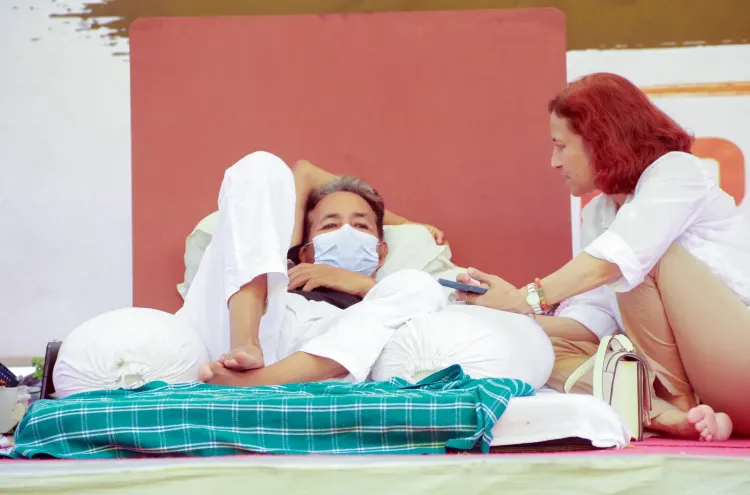
Wangchuk was hospitalised after 20 days on hunger strike at Jantar Mantar , shifted by police amid protests.
The agitation, led by the Cockroach Janta Party (CJP) , demands the resignation of Union Education Minister Dharmendra Pradhan over the NEET paper leak .
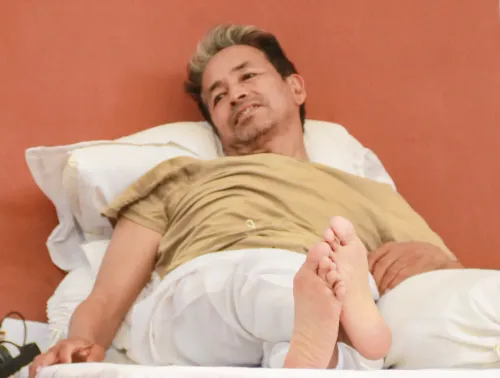
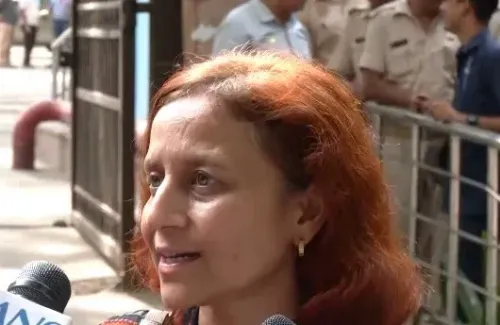
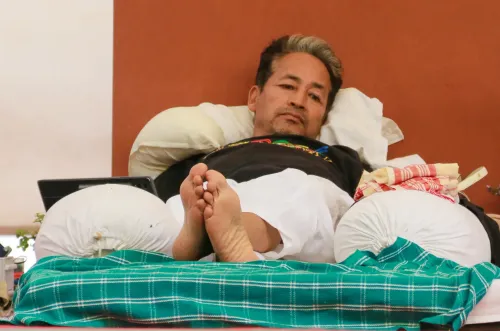
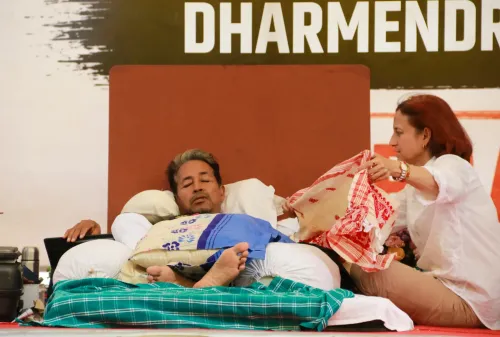
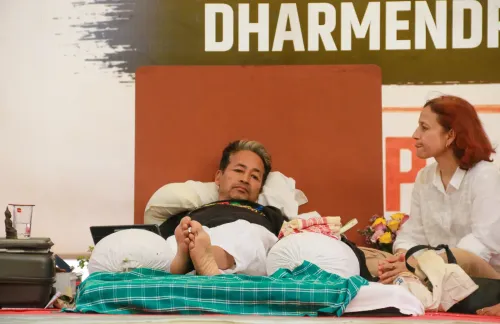
Climate activist Sonam Wangchuk's wife, Gitanjali J. Angmo, on 18 July wrote to the Medical Superintendent of Safdarjung Hospital in New Delhi demanding immediate discharge formalities so that Wangchuk could be moved to a medical facility of the family's choice — citing a 'lack of transparency' in his treatment. Wangchuk had been hospitalised early that Saturday after his health deteriorated following a 20-day hunger strike at Jantar Mantar.
The Transparency Dispute
In her letter, Angmo flagged a sharp and unexplained drop in Wangchuk's potassium levels — from 4.3 at 4:16 pm on 17 July to 2.9 the following morning. She wrote that when the family requested medical reports, 'digitally and physically', the hospital team refused to share them. She also alleged that the doctors who had been treating Wangchuk for the preceding 20 days were being denied access to him inside the hospital.
'This lack of transparency has shaken our trust in your hospital,' Angmo stated in the letter. 'Therefore, we wish to inform you that we have decided to shift Mr. Sonam Wangchuk to a medical centre of our choice.'
Earlier Instruction to Hospital
Prior to the discharge demand, Angmo had sent a separate letter to Safdarjung Hospital with a firm instruction: 'It is my non-negotiable request and instruction to not administer any oral or intravenous substance or fluid to Mr. Wangchuk without my consent.' She had simultaneously sought transparent, verifiable sharing of all test reports conducted on her husband.
How Wangchuk Reached the Hospital
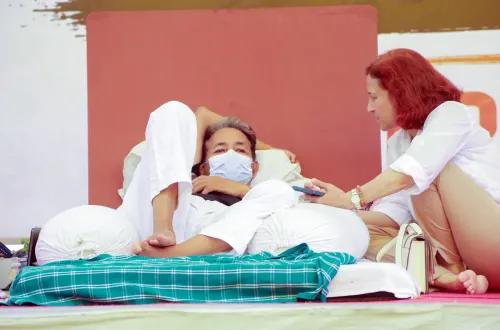
Police personnel arrived at the Jantar Mantar protest site on the morning of 18 July and shifted Wangchuk to Safdarjung Hospital amid sloganeering and protests by supporters of the Cockroach Janta Party (CJP) and members of the public gathered there. The CJP has been spearheading the agitation demanding the resignation of Union Education Minister Dharmendra Pradhan over the NEET paper leak controversy.
Background: A 20-Day Fast
Wangchuk, widely known for his environmental and educational work in Ladakh, had been on a hunger strike for 20 days before his hospitalisation. His deteriorating health had prompted immediate concern among supporters and civil society groups. This is not the first time Wangchuk has used a prolonged fast as a form of protest; his activism has historically drawn national attention to Ladakh-specific governance and ecological issues.
What Happens Next
The family's demand for discharge puts Safdarjung Hospital in a difficult position, with competing obligations around patient welfare and family consent. If the transfer is approved, Wangchuk's medical condition — particularly the flagged potassium irregularity — will need close monitoring at the receiving facility. The broader agitation over the NEET paper leak, which triggered the fast, shows no signs of abating.
Point of View
They point to a serious lapse in patient rights at a central government hospital. The overnight potassium swing the family describes is medically significant and warrants independent scrutiny, not just a discharge letter. Mainstream coverage has focused on the protest optics, but the institutional accountability angle — why were doctors denied access, and why were reports refused — deserves equal attention. The NEET agitation that triggered this fast remains unresolved, and Wangchuk's health becoming a flashpoint risks overshadowing the original demand for ministerial accountability.
NationPress
16 Oct 2026
Frequently Asked Questions
Why is Sonam Wangchuk's wife seeking his discharge from Safdarjung Hospital?
Gitanjali J. Angmo cited a 'lack of transparency' in her husband's treatment, including the hospital's alleged refusal to share his medical reports and the blocking of his regular treating doctors from visiting him. She has asked the hospital to complete discharge formalities so Wangchuk can be moved to a facility of the family's choice.
What is the concern about Sonam Wangchuk's potassium levels?
Angmo's letter noted that Wangchuk's potassium level stood at 4.3 on the afternoon of 17 July but dropped to 2.9 by the morning of 18 July — a fall the family described as 'surprising'. When they asked for reports to understand the change, the hospital team reportedly refused to provide them.
Why was Sonam Wangchuk on a hunger strike?
Wangchuk was part of an agitation led by the Cockroach Janta Party (CJP) demanding the resignation of Union Education Minister Dharmendra Pradhan over the NEET paper leak controversy. He had been fasting at Jantar Mantar in New Delhi for 20 days before being hospitalised.
How did Wangchuk end up in Safdarjung Hospital?
Police personnel arrived at the Jantar Mantar protest site on the morning of 18 July and shifted Wangchuk to Safdarjung Hospital following a deterioration in his health. The move was met with sloganeering and protests by CJP supporters and members of the public present at the site.
What instruction did Angmo give the hospital before seeking discharge?
In an earlier letter, Angmo directed Safdarjung Hospital not to administer any oral or intravenous substance or fluid to Wangchuk without her explicit consent. She also demanded transparent sharing of all medical test reports, either digitally or physically.