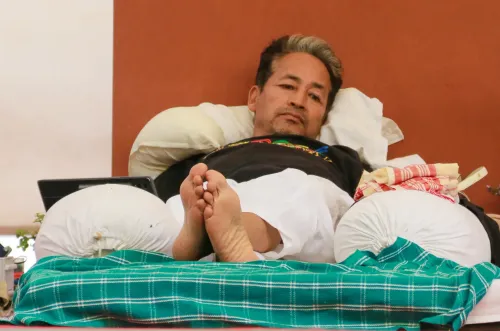
Sonam Wangchuk shows dehydration, rising ketones at Safdarjung Hospital
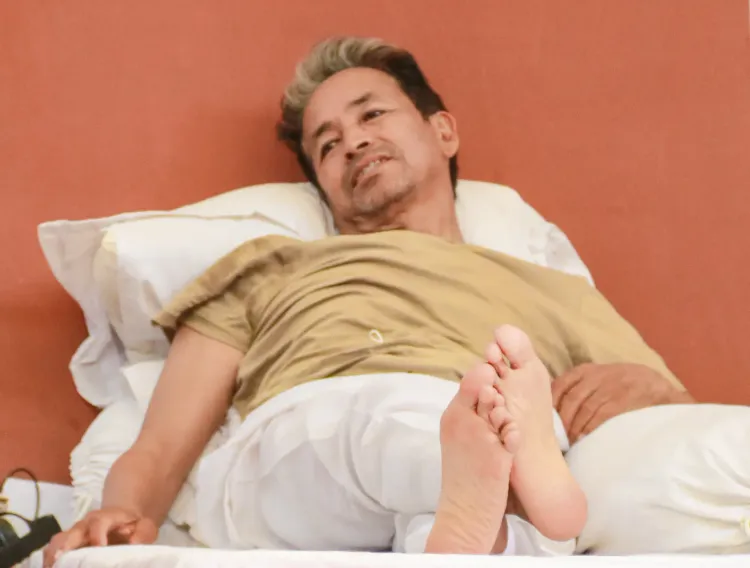
Synopsis
After 21 days on hunger strike, Sonam Wangchuk's urinary ketones have jumped from 1+ to 3+ within hours of hospitalisation at Safdarjung — a sign his body is in prolonged starvation mode. He is refusing all treatment, his family is demanding discharge, and his own doctors are reportedly being blocked from seeing him by a Ministry of Home Affairs official.
Key Takeaways
Safdarjung Hospital released a medical bulletin on 18 July reporting dehydration, compensated acidosis, low serum potassium, and blood sugar of 78 mg/dl in Sonam Wangchuk .
Urinary ketones rose from 1+ at admission to 3+ by 1:00 pm the same day.
Wangchuk has refused all intravenous fluids, oral rehydration, and medication.
His wife Gitanjali J.
Angmo wrote to the hospital demanding discharge, citing 'lack of transparency' in treatment.
Doctor Nitin Dighe , who monitored Wangchuk for 20 days at Jantar Mantar, says his team was denied access to the patient at the hospital.
Wangchuk was shifted to hospital on orders of the Delhi High Court after 21 days of hunger strike over the NEET paper leak case .
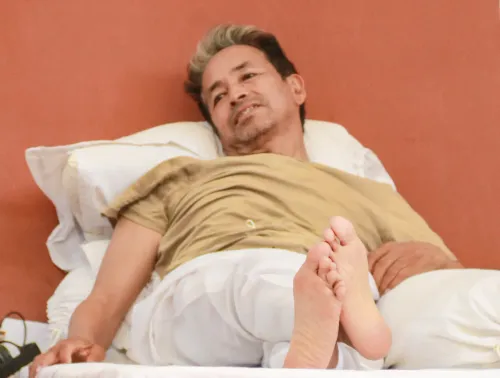
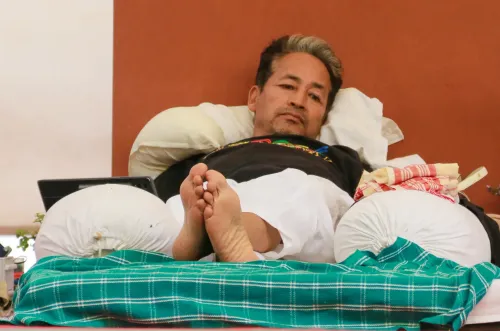
Activist Sonam Wangchuk, hospitalised on Saturday, 18 July after 21 days of hunger strike at Delhi's Jantar Mantar, is showing signs of dehydration, compensated acidosis, low serum potassium, blood sugar of 78 mg/dl, and rising urinary ketones, according to a medical bulletin released by Safdarjung Hospital at around 3:30 pm IST. He continues to refuse intravenous fluids, oral rehydration, and all medication.
What the Medical Bulletin Says
The hospital stated that Wangchuk was conscious at the time of admission, with stable pulse, blood pressure, and oxygen saturation. However, blood gas analysis revealed compensated acidosis with decreased serum potassium. His urinary ketones, recorded at 1+ at admission, had risen sharply to 3+ by 1:00 pm the same day — a marker of the body beginning to break down fat for energy, typically seen in prolonged fasting.
The bulletin noted: 'Although intravenous fluids were advised, the patient has refused all intravenous fluids, oral rehydration fluid or any other medication. He is being continuously monitored and counselled for treatment in the best interest of his health.'
Dispute Over Transfer and Access
Nitin Dighe, a member of the doctors' team that had been monitoring Wangchuk at Jantar Mantar, said the medical team was not informed of the reason for his transfer to Safdarjung Hospital. Dighe, who said he had been tracking Wangchuk's health for the past 20 days, claimed that doctors from the activist's own team were not permitted to meet him at the hospital, reportedly due to the presence of an official from the Ministry of Home Affairs.
'We were made to wait and were not permitted to meet our patient,' Dighe said. He also disputed the hospital's potassium findings, stating that tests conducted around 3 pm the previous day had returned normal potassium levels. He argued that the prescribed potassium medication could have been administered at Jantar Mantar itself, making hospitalisation unnecessary.
Family Demands Transparency and Discharge
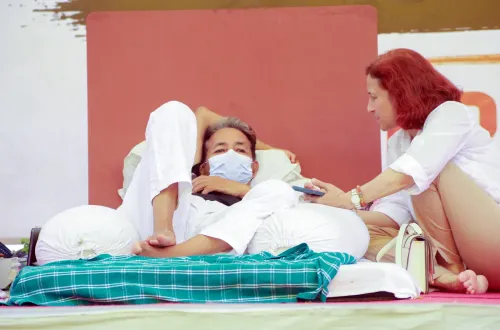
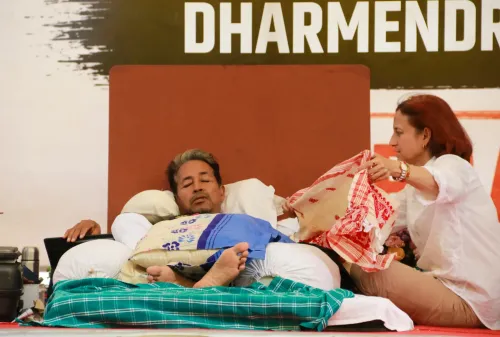
Wangchuk's wife, Gitanjali J. Angmo, wrote a letter to the hospital requesting that discharge formalities be completed at the earliest, so that he could be shifted to a medical centre of the family's choice. She cited a 'lack of transparency' in his treatment as the reason for the request.
Background: Why Wangchuk Is on Hunger Strike
Wangchuk joined the Campaign for Justice in Public Examinations (CJP), which has been protesting at Jantar Mantar since 6 June, demanding the resignation of Education Minister Dharmendra Pradhan over the NEET paper leak case. He formally began an indefinite hunger strike on 28 June. His transfer to Safdarjung Hospital on Saturday was carried out in compliance with directions from the Delhi High Court and on the advice of medical experts, amid sloganeering and protests by CJP activists at the site.
As Wangchuk's condition continues to deteriorate by key clinical markers, the standoff between hospital authorities, the activist's support team, and his family over access and treatment decisions is set to intensify in the coming hours.
Point of View
And the refusal of treatment makes clinical intervention nearly impossible. What is equally striking is the reported blocking of his own medical team by a Home Affairs official: that layer of access control, combined with the family's public demand for discharge, turns a health crisis into a transparency dispute. The Delhi High Court ordered hospitalisation to protect Wangchuk; whether the hospitalisation is actually serving that purpose is now the harder question.
NationPress
16 Oct 2026
Frequently Asked Questions
What is Sonam Wangchuk's current health condition?
According to a Safdarjung Hospital bulletin issued on 18 July, Wangchuk is showing signs of dehydration, compensated acidosis, low serum potassium, blood sugar of 78 mg/dl, and rising urinary ketones. He was conscious with stable vitals at admission but has refused all treatment.
Why was Sonam Wangchuk hospitalised at Safdarjung?
Wangchuk was shifted to Safdarjung Hospital on 18 July after his health deteriorated following 21 days of hunger strike at Delhi's Jantar Mantar. The transfer was carried out in compliance with directions from the Delhi High Court and on the advice of medical experts.
What is the NEET protest that Wangchuk joined?
The Campaign for Justice in Public Examinations (CJP) has been protesting at Jantar Mantar since 6 June, demanding the resignation of Education Minister Dharmendra Pradhan over the NEET paper leak case. Wangchuk formally joined and began an indefinite hunger strike on 28 June.
Why is Wangchuk's family demanding his discharge?
His wife Gitanjali J. Angmo wrote to Safdarjung Hospital requesting discharge at the earliest, citing a 'lack of transparency' in his treatment. The family wants him shifted to a medical centre of their own choice.
What do rising urinary ketones indicate medically?
Rising urinary ketones are a clinical sign that the body is breaking down fat for energy due to prolonged lack of food or carbohydrates — a condition associated with extended fasting or starvation. Wangchuk's ketone levels rose from 1+ at admission to 3+ within hours, indicating worsening metabolic stress.