Water Metro network planned for 18 cities; Guwahati leads Phase I rollout
Synopsis
India is scaling the Kochi Water Metro model nationwide — 18 cities, a new draft policy, and a phase-wise rollout that puts Guwahati, Srinagar, and Varanasi on the map for water-based urban transit. With feasibility reports accepted for five cities and a formal policy framework in the works, this is the most concrete push yet to make rivers a part of India's daily commute.
Key Takeaways
The Centre has identified 18 cities for a national Water Metro rollout, with Guwahati leading Phase I .
Phase I cities include Srinagar, Patna, Varanasi, Ayodhya , and Prayagraj ; Tezpur and Dibrugarh are slated for Phase II .
The Draft National Water Metro Policy, 2026 has been circulated for inter-ministerial consultations.
Kochi Metro Rail Limited completed feasibility studies for 17 of 18 cities ; reports for 5 cities have been formally accepted.
Funding models under consideration include Centre-State partnerships , PPP , and fully Centre-funded arrangements.
Priority will be given to cities with navigable waterways and populations exceeding one million , with relaxations for remote or water-locked regions.
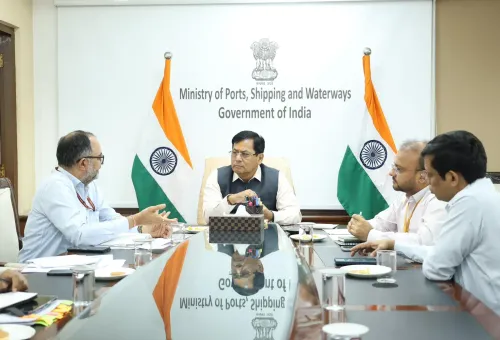
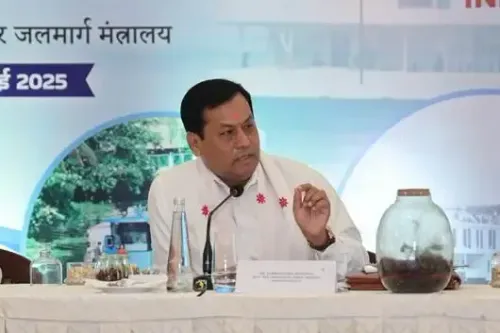
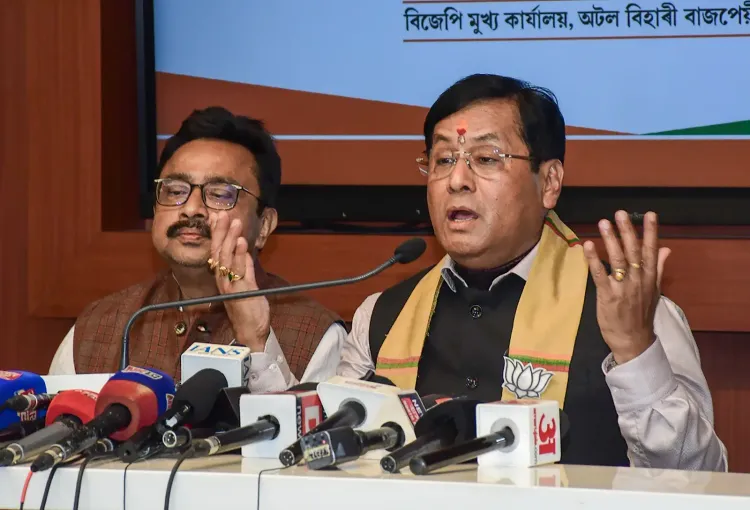
The Centre has moved ahead with plans to launch Water Metro services across 18 cities nationwide, with Guwahati emerging as a frontrunner in the first phase of a national rollout designed to transform inland waterways into sustainable urban transport corridors. Union Minister for Ports, Shipping, and Waterways Sarbananda Sonowal announced the initiative on Monday, 18 May 2025, chairing a high-level review meeting in New Delhi.
Phase-wise City Rollout
Besides Guwahati, cities including Srinagar, Patna, Varanasi, Ayodhya, and Prayagraj have been earmarked for Phase I of the project. Tezpur and Dibrugarh in Assam are proposed for Phase II. Feasibility reports for Guwahati, Srinagar, Patna, Varanasi, and Ayodhya have already been accepted by authorities, following site visits to all proposed locations.
The Inland Waterways Authority of India had entrusted Kochi Metro Rail Limited with conducting feasibility studies for the 18 cities in February 2025. Draft feasibility reports for 17 cities have since been submitted.
Draft National Water Metro Policy 2026
The Ministry has circulated the Draft National Water Metro Policy, 2026, for inter-ministerial consultations, signalling the government's intent to establish a formal national framework for water-based urban mobility. States will also be consulted to ensure regional requirements are incorporated.
According to the Ministry, cities with navigable waterways, strong commuter demand, and populations exceeding one million will receive priority. However, the criteria may be relaxed for projects that improve connectivity in remote or water-locked regions, reduce congestion, or strengthen flood resilience.
Cost Advantage and Design Standards
Sonowal described the proposed systems as 'significantly less capital-intensive' compared to conventional metro rail, as they utilise existing waterways with minimal civil infrastructure. Faster construction timelines, lower land requirements, and reduced operational costs — particularly through electric and hybrid ferries — were cited as key advantages.
The Ministry has proposed standardising vessel design, terminals, charging infrastructure, and safety protocols, while encouraging indigenous vessel construction and seamless multimodal connectivity. The development framework also covers terminals, jetties, pontoons, charging and bunkering infrastructure, passenger amenities, and navigational aids.
Funding Models and Heritage Angle
Multiple funding structures are being explored, including Centre-State partnerships, public-private partnership (PPP) models, and fully Centre-funded projects, to ensure long-term financial viability. Sonowal also stressed that Water Metro projects should reflect India's maritime heritage through region-specific architecture and locally suitable construction materials.
The initiative builds on the operational experience of the Kochi Water Metro, which has demonstrated that water-based urban transit can be efficient, eco-friendly, and commercially viable. The minister called for greater public participation — especially involving students and youth — to build awareness around waterways-based transportation and its environmental benefits.
With feasibility studies largely complete and policy consultations underway, the next milestone will be finalising funding allocations and beginning detailed project reports for Phase I cities.
Point of View
Yet it serves a city uniquely suited to water transit. Replicating that in landlocked or semi-arid urban centres like Ayodhya or Prayagraj, where seasonal water levels fluctuate sharply, will require more than standardised vessel designs. The Draft National Water Metro Policy is a necessary step, but inter-ministerial consultations in India have a long history of diluting timelines. The real test will be whether funding allocations follow feasibility reports — or whether this becomes another infrastructure announcement measured in press releases rather than passenger journeys.
NationPress
1 Oct 2026
Frequently Asked Questions
What is the Centre's Water Metro plan for 18 cities?
The Centre plans to introduce Water Metro services — water-based urban public transport using electric and hybrid ferries — across 18 cities nationwide, building on the model established by the Kochi Water Metro. The initiative is backed by the Draft National Water Metro Policy, 2026, currently under inter-ministerial consultation.
Which cities are included in Phase I of the Water Metro rollout?
Phase I includes Guwahati, Srinagar, Patna, Varanasi, Ayodhya, and Prayagraj. Feasibility reports for Guwahati, Srinagar, Patna, Varanasi, and Ayodhya have already been accepted by authorities.
What is the Draft National Water Metro Policy, 2026?
It is a proposed formal framework circulated by the Ministry of Ports, Shipping, and Waterways for inter-ministerial consultation. The policy aims to standardise vessel design, terminals, safety protocols, and funding structures for water-based urban mobility systems across India.
How will the Water Metro projects be funded?
Multiple funding models are being explored, including Centre-State partnerships, public-private partnership (PPP) arrangements, and fully Centre-funded projects, to ensure long-term financial viability of each city's system.
Which agency conducted the feasibility studies for the 18 cities?
The Inland Waterways Authority of India entrusted Kochi Metro Rail Limited with conducting feasibility studies for all 18 cities in February 2025. Site visits have been completed for all locations, and draft reports for 17 cities have been submitted.