Sonowal flags 1,668 MT ODC cargo move to Barauni via NW-1
Synopsis
Union Shipping Minister Sarbananda Sonowal on 16 July 2026 announced that 1,668 MT of Over Dimensional Cargo moved from Diamond Harbour, Kolkata to Bihar's Barauni refinery via National Waterway-1, citing it as evidence of rising industrial reliance on inland water transport under PM Modi's multimodal logistics push.
Key Takeaways
1,668 metric tonnes of Over Dimensional Cargo was transported from Diamond Harbour, Kolkata to Simaria Ghat, Begusarai via National Waterway-1 .
The consignment was destined for the Barauni refinery (Indian Oil Corporation) in Bihar .
NW-1 spans 1,620 km along the Ganga-Bhagirathi-Hooghly system and is India's oldest notified national waterway.
The movement aligns with the Jal Marg Vikas Project , PM Gati Shakti and National Logistics Policy 2022 targets to raise inland water transport's modal share.
India's logistics costs currently exceed 13 percent of GDP ; inland waterways are positioned as a lower-cost, lower-emission alternative to road and rail freight.
Upcoming multimodal terminals at Kalughat and Sahibganj are expected to further extend NW-1's industrial cargo capacity.
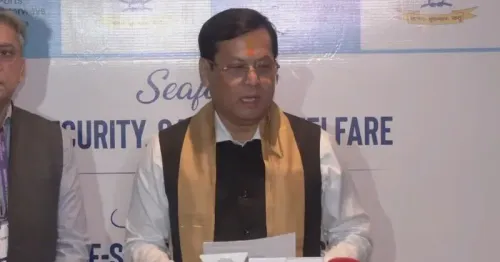
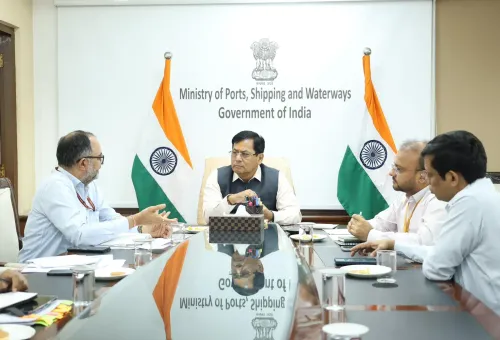
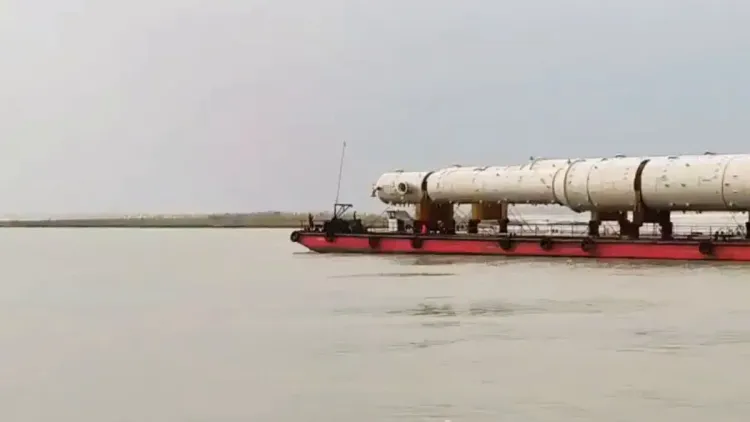
Union Minister of Ports, Shipping and Waterways Sarbananda Sonowal on Thursday, 16 July 2026 highlighted the successful movement of 1,668 metric tonnes of Over Dimensional Cargo from Diamond Harbour, Kolkata to Simaria Ghat in Begusarai, Bihar via National Waterway-1, bound for the Barauni refinery operated by Indian Oil Corporation.
Context
Sonowal described the consignment as a marker of 'growing industrial confidence in our waterways as a sustainable and efficient mode of transport.' The cargo traversed the Ganga — India's longest and most commercially significant inland waterway — covering a route that connects the eastern port belt to Bihar's industrial heartland without touching road or rail networks. The Barauni refinery, a major petroleum processing facility in Begusarai district, is among the largest industrial consumers of bulk freight in the region.
Policy Backdrop
National Waterway-1, spanning 1,620 km along the Ganga-Bhagirathi-Hooghly system, was notified as India's first national waterway in 1986 and received a significant policy push under the National Waterways Act 2016, which expanded the country's waterway network to 111 waterways. The Jal Marg Vikas Project, launched in 2016, funded multimodal terminals, fairway development and navigation aids along NW-1 to enable exactly this kind of heavy industrial cargo movement.
The PM Gati Shakti National Master Plan of 2021 formally integrated inland water transport into national multimodal logistics planning, while the National Logistics Policy 2022 set explicit targets to raise the inland water transport modal share and cut freight costs — currently estimated at over 13 percent of GDP. Sonowal credited the movement to the 'vision of Hon'ble PM Shri Narendra Modi ji,' framing it within the government's broader Atmanirbhar Bharat and eastern India connectivity agenda. The Inland Waterways Authority of India (IWAI), tagged in the post, is the nodal agency executing these projects on the ground.
Stakeholders and Impact
The direct beneficiary of this shipment is the Barauni refinery, which receives heavy equipment and industrial cargo that is difficult and expensive to transport over road or rail given its size and weight. Bihar's industrial units more broadly stand to gain from a reliable, lower-cost freight corridor as successive phases of dredging and terminal construction on the Ganga have enabled larger barges and over-dimensional loads. IWT logistics operators and multimodal freight firms are among the commercial stakeholders watching whether this consignment signals a repeatable, scalable route rather than a one-off movement.
Sonowal stated the milestone 'strengthens our resolve to build a future-ready, multimodal logistics ecosystem that enhances EoDB, lowers logistics costs and drives inclusive growth across the nation' — language that positions the waterway as a structural reform tool rather than a supplementary freight option.
What's Next
Attention will now turn to the commissioning of additional multimodal terminals at Kalughat and Sahibganj, which would extend the functional range of NW-1 for industrial cargo. Updated IWT budget proposals and vessel fleet modernisation plans are also expected to be tabled in the next parliamentary session. If the Barauni movement is regularised, it could serve as a template for routing similar ODC consignments to other industrial destinations along the Ganga corridor, reinforcing the government's target of shifting freight away from congested road and rail networks.
Point of View
Sonowal is building a data trail that can be cited in parliamentary debates and budget justifications for continued IWAI funding. The framing around 'EoDB' and 'inclusive growth' also signals that the ministry is positioning inland waterways not just as an infrastructure story but as an economic reform narrative ahead of the next election cycle. Whether this becomes a sustained freight corridor or remains a series of high-profile one-off shipments will be the real test of the policy's depth.
NationPress
15 Oct 2026
Frequently Asked Questions
What is the Over Dimensional Cargo that reached Barauni refinery via NW-1?
A consignment of 1,668 metric tonnes of Over Dimensional Cargo — heavy industrial freight too large for standard road or rail transport — was shipped from Diamond Harbour, Kolkata along National Waterway-1 (the Ganga) to Simaria Ghat in Begusarai, Bihar , destined for the Barauni refinery of Indian Oil Corporation.
What is National Waterway-1 and why is it important?
National Waterway-1 is India's first and longest national waterway, covering 1,620 km along the Ganga-Bhagirathi-Hooghly river system from Allahabad to Haldia. It is central to India's inland water transport push under the Jal Marg Vikas Project and PM Gati Shakti , aiming to shift bulk freight from roads to a cheaper, lower-emission river route.
What is the Barauni refinery and who operates it?
The Barauni refinery is a major petroleum refinery located in Begusarai district, Bihar , operated by Indian Oil Corporation . It is one of the key industrial facilities in eastern India and a significant consumer of heavy industrial cargo.
What is the Jal Marg Vikas Project?
The Jal Marg Vikas Project was launched in 2016 to develop National Waterway-1 for commercial navigation. It funds multimodal terminals, fairway development, navigation aids and vessel standardisation to enable bulk and over-dimensional cargo movement along the Ganga.
How does this cargo movement relate to India's logistics cost reduction goals?
India's logistics costs are estimated at over 13 percent of GDP . The National Logistics Policy 2022 targets a higher modal share for inland water transport as a lower-cost, lower-emission alternative to road and rail. The Barauni ODC shipment is cited by the government as evidence that this shift is gaining industrial traction.