DMK vs AIADMK: A Battle of Welfare Promises Ahead of Elections
Synopsis
As Tamil Nadu elections near, DMK and AIADMK unveil welfare-centric manifestos with numerous promises targeting women, farmers, and low-income families. Who will deliver more? The race intensifies.
Key Takeaways
DMK promises 525 welfare initiatives.
AIADMK makes 297 pledges, including free refrigerators.
Focus on increasing financial aid for women and elderly.
Commitments to farmers with higher minimum support prices.
Both parties emphasize education and healthcare improvements.
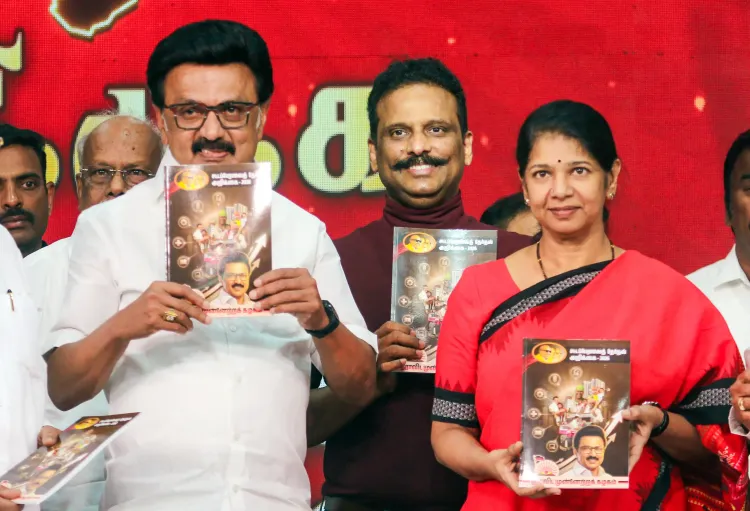
Chennai, March 30 (NationPress) As the Tamil Nadu Assembly elections approach, the incumbent DMK and the opposition AIADMK have unveiled detailed election manifestos brimming with promises aimed at pivotal voter demographics, especially women, farmers, and economically disadvantaged households.
The DMK, which previously made 505 commitments during the 2021 elections, has now broadened its scope to include 525 promises. In contrast, the AIADMK, aiming for a comeback, has put forth 297 promises, blending welfare initiatives with specific subsidies.
A significant feature in both manifestos is the strong focus on women-oriented programs.
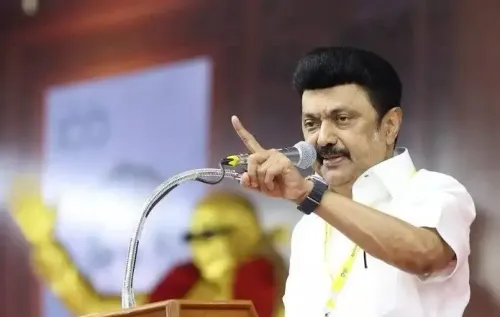
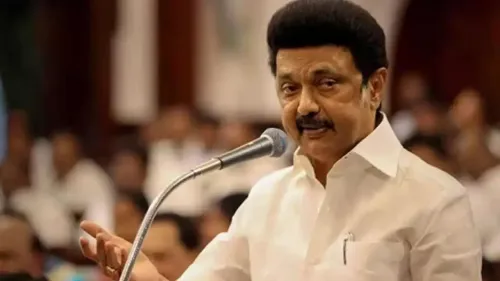
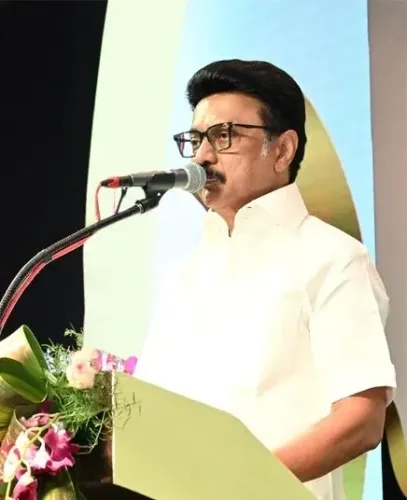
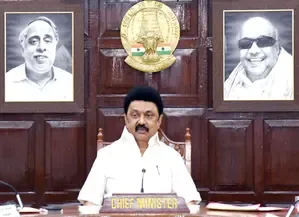
Chief Minister M.K. Stalin declared that homemakers from families not liable for income tax would receive Rs 8,000 vouchers to buy or replace essential household items. The DMK has also committed to increasing monthly financial support for women from Rs 1,000 to Rs 2,000.
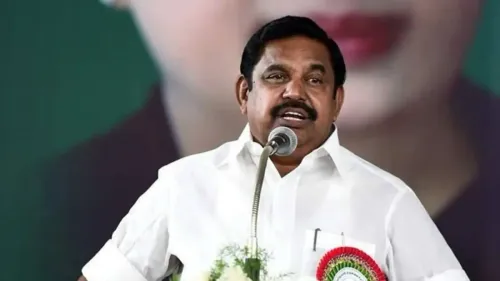
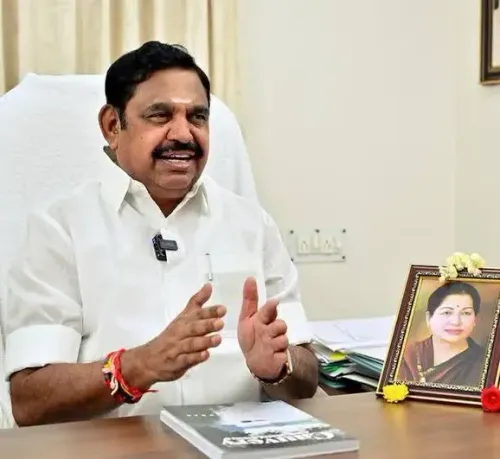
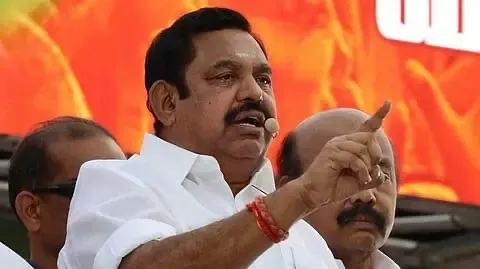
On the other hand, AIADMK General Secretary Edappadi K. Palaniswami has promised that free refrigerators will be distributed to ration cardholders if the party returns to power. The AIADMK’s ‘Kula Vilakku’ initiative includes a Rs 2,000 subsidy for all family cardholders, aiming to directly benefit households statewide.
Both parties have made similar pledges in the realm of social welfare.
They have guaranteed an increase in old-age pensions from Rs 1,200 to Rs 2,000 and a rise in fishing ban relief from Rs 8,000 to Rs 12,000.
For individuals with disabilities, Stalin has proposed raising the allowance to Rs 2,500, while Palaniswami has pledged to increase it to Rs 2,000.
In education, the DMK has promised to distribute free laptops to 35 lakh students pursuing higher education over the next five years, and the AIADMK has similarly pledged to provide laptops for students enrolled in government and government-aided colleges.
Housing and rural development are also key elements in both manifestos. The DMK aims to construct 10 lakh houses within five years, while the AIADMK has committed to providing free housing for homeless families through its ‘Amma Illam’ program.
Farmers are also a focus, with promises to raise the minimum support price for paddy to Rs 3,500 per quintal and for sugarcane to Rs 4,500 per tonne.
In healthcare, Stalin has proposed increasing the income ceiling for insurance eligibility to Rs 5 lakh and coverage to Rs 10 lakh, while Palaniswami guarantees full government funding for major treatments like heart surgeries and cancer care.
Both parties have reiterated their stance against certain elements of the National Education Policy and committed to safeguarding Tamil Nadu’s rights, promising to advocate for the transfer of education back to the State List.
As the campaign intensifies, these manifestos highlight a highly competitive electoral atmosphere driven by welfare politics and populist strategies.
Point of View
Both the ruling DMK and the opposition AIADMK have presented their election manifestos filled with welfare promises. Each party aims to appeal to significant voter bases, particularly vulnerable populations, highlighting a competitive race focused on social welfare and populism.
NationPress
21 Sept 2026
Frequently Asked Questions
What are the key promises made by DMK and AIADMK?
Both parties have made extensive promises targeting women, farmers, and low-income families, with DMK pledging to distribute free laptops and provide financial assistance, while AIADMK offers free refrigerators and housing support.
How many promises has DMK made in this election?
The DMK has made a total of 525 promises in its election manifesto for the upcoming Tamil Nadu Assembly elections.
What financial aid is being proposed for old-age pensions?
Both parties have promised to increase old-age pensions from Rs 1,200 to Rs 2,000.
How are farmers being supported in the manifestos?
Key promises include raising the minimum support price of paddy to Rs 3,500 per quintal and sugarcane to Rs 4,500 per tonne.
What is the significance of these manifestos?
These manifestos reflect the intense competition between DMK and AIADMK, driven by welfare-centric politics, as they aim to secure crucial voter support ahead of the elections.