UCC Bill in West Bengal Assembly: BJP says appeasement politics 'completely over'
Synopsis
West Bengal is on the verge of becoming the fourth BJP-ruled state to table a Uniform Civil Code bill — a move the party frames as the definitive burial of 'appeasement politics' in a state it wrested from the TMC. With a six-month poll promise on the clock and an implementation committee in the works, the BJP is betting that UCC can do in Bengal what it has already done in Uttarakhand, Gujarat, and Assam.
Key Takeaways
West Bengal is set to table the Uniform Civil Code (UCC) bill in the state assembly as early as next week.
It will be the fourth BJP-governed state to initiate UCC legislation, after Uttarakhand , Gujarat , and Assam .
Uttarakhand was the first state in independent India to pass a UCC law, in February 2024 .
BJP spokesperson Shehzad Poonawalla said the move signals the end of 'politics of appeasement' in West Bengal.
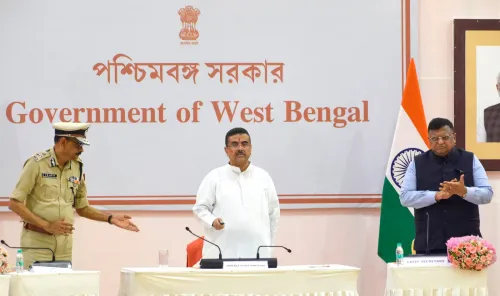
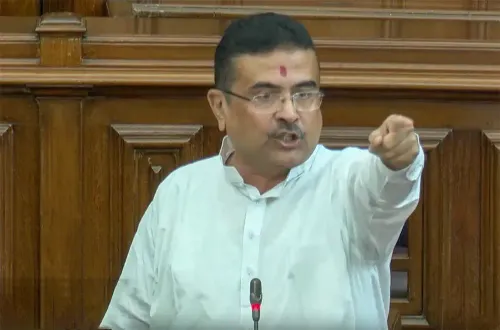
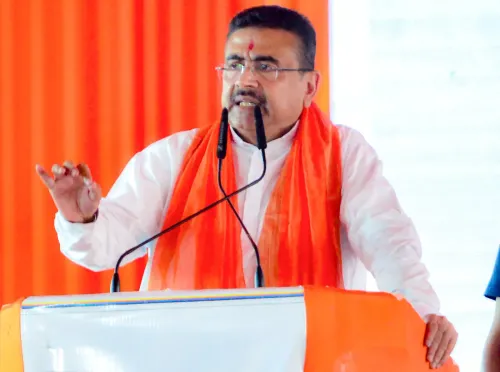
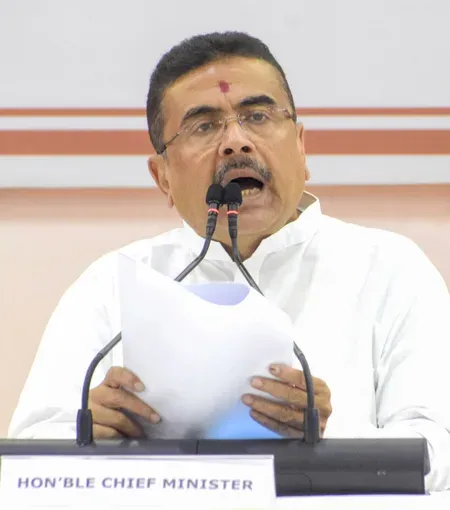
The Suvendu Adhikari government is reportedly setting up a committee for UCC roll-out, fulfilling a campaign pledge to implement it within six months of coming to power.
The UCC, once enacted, would replace religion-based personal laws on marriage , divorce , adoption , and inheritance for all citizens.
West Bengal is set to become the fourth BJP-governed state to table a Uniform Civil Code (UCC) bill, with the Suvendu Adhikari-led government expected to introduce the legislation in the state assembly as early as next week. The Bharatiya Janata Party (BJP) on Sunday, 28 June welcomed the development, framing it as the end of what it called the 'politics of appeasement' in a state that was ruled by the Left and the All India Trinamool Congress (TMC) for decades.
What the BJP Said
BJP spokesperson Shehzad Poonawalla, speaking to reporters ahead of the proposed UCC introduction, said the move would bring West Bengal in line with other BJP-governed states that have already moved on the legislation. 'We have already implemented it (UCC) in Assam and Uttarakhand. Following Gujarat, initiatives have now been taken in Madhya Pradesh, Maharashtra, Chhattisgarh, and West Bengal as well, because the politics of appeasement has completely ended in West Bengal,' Poonawalla said.
He also took aim at opposition groups resisting the UCC, alleging that an 'inflammatory bhaijaan committee' had emerged to thwart the bill and that such groups 'prioritise vote-bank politics over women's rights.'
Which States Have Already Moved on UCC
Uttarakhand became the first state in independent India to pass a UCC law, doing so in February 2024. Gujarat and Assam have since introduced UCC bills in their respective assemblies. West Bengal, if it tables the bill next week, will be the fourth state to formally initiate the legislative process.
A BJP Poll Promise on the Line
The BJP had pledged during its West Bengal election campaign to implement the UCC within six months of coming to power. The Adhikari government is now reportedly setting up a committee to oversee the UCC roll-out, making this a direct test of that electoral commitment. Notably, this comes in a state where the party unseated the long-entrenched TMC — a politically significant backdrop for any legislation of this magnitude.
What the UCC Would Change
If enacted, the UCC would replace religion-based personal laws with a uniform set of rules governing marriage, divorce, adoption, and inheritance for all citizens, regardless of faith. Poonawalla argued that opposition parties — including the Indian National Congress (INC) — had historically contradicted themselves on the issue, pointing to the Shah Bano case, the Shayara Bano case, and the existing UCC in Goa, which Congress itself introduced. 'Whether it is Shah Bano case, Shayara Bano case, or the UCC, they oppose these measures. These are the very same people (Congress) who included this in the Constitution and introduced the UCC in Goa,' he said.
What Comes Next
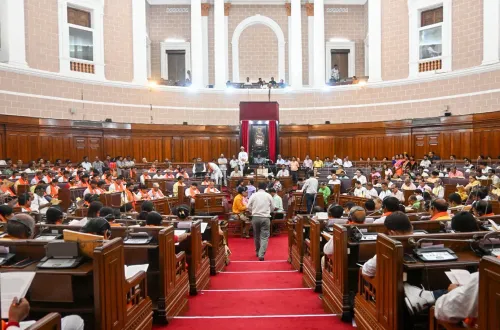
The West Bengal assembly is expected to see the UCC bill tabled next week, after which it will go through standard legislative scrutiny. The formation of an implementation committee is also anticipated. How opposition parties — both within the assembly and outside — respond will shape the political temperature in the state in the weeks ahead.
Point of View
A far more complex and diverse state, will face sharper legal and social contestation. The opposition's framing — that this is vote-bank politics in reverse — will find traction unless the government moves quickly from tabling to enforcement with a credible timeline.
NationPress
27 Sept 2026
Frequently Asked Questions
What is the Uniform Civil Code (UCC) bill being tabled in West Bengal?
The UCC bill proposes a single set of civil laws governing marriage, divorce, adoption, and inheritance for all citizens of West Bengal, regardless of their religion, replacing existing religion-based personal laws. The Suvendu Adhikari-led BJP government is expected to table it in the state assembly next week.
Which states have already introduced or passed the UCC?
Uttarakhand became the first state in independent India to pass a UCC law in February 2024. Gujarat and Assam have since introduced UCC bills in their assemblies. West Bengal is set to become the fourth state to formally table such legislation.
Why is the BJP introducing the UCC in West Bengal?
The BJP had promised to implement the UCC within six months of coming to power in West Bengal, making it a direct fulfilment of an electoral pledge. The party also frames it as ending what it calls 'appeasement politics' that it says characterised decades of Left and TMC rule in the state.
Who is opposing the UCC in West Bengal?
BJP spokesperson Shehzad Poonawalla referred to an 'inflammatory bhaijaan committee' that has emerged in opposition to the bill, accusing it of prioritising vote-bank politics over women's rights. Opposition parties have not yet formally responded to the expected tabling.
What will the UCC change if enacted in West Bengal?
Once enacted, the UCC would replace religion-based personal laws with uniform rules on marriage, divorce, adoption, and inheritance applicable to all citizens irrespective of their faith. It would bring West Bengal in line with the legislative framework being pursued in other BJP-ruled states.