West Bengal UCC committee: Retired SC judge Justice Desai to lead blueprint panel
Synopsis
West Bengal has moved closer to becoming the fourth Indian state to implement the Uniform Civil Code, with Chief Minister Suvendu Adhikari announcing a retired Supreme Court judge-led committee to deliver a blueprint within four weeks. The UCC Bill, modelled on Uttarakhand, Gujarat, and Assam's frameworks, is set to reach the Assembly floor by August 2026 — a direct fulfilment of a BJP election promise.
Key Takeaways
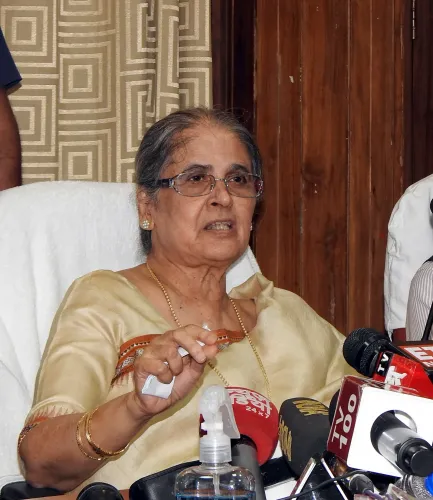
West Bengal government constituted a UCC committee on 29 June 2026 , headed by retired Supreme Court judge Justice Ranjana Prakash Desai .
The committee must submit recommendations within four weeks ; the UCC Bill is targeted for the West Bengal Assembly in August 2026 .
The draft Bill is scheduled for state Cabinet approval on 2 July .
Tribal communities , indigenous people, Kurmis , and recognised ancient tribal groups are exempted from the proposed law.
If enacted, West Bengal will be the fourth Indian state — after Uttarakhand , Gujarat , and Assam — to implement the UCC.
The Bill draws on the Gujarat Uniform Civil Code Bill, 2026 , Assam's UCC Act , and Uttarakhand's Uniform Civil Code Act, 2024 .
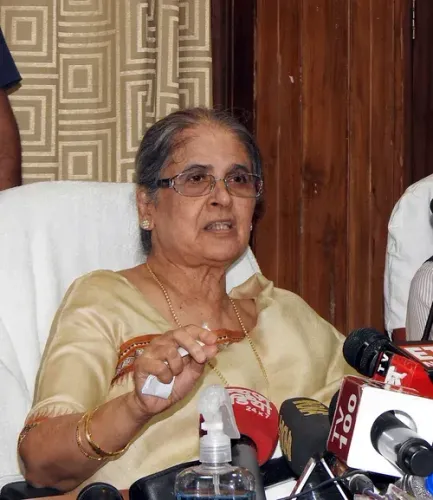
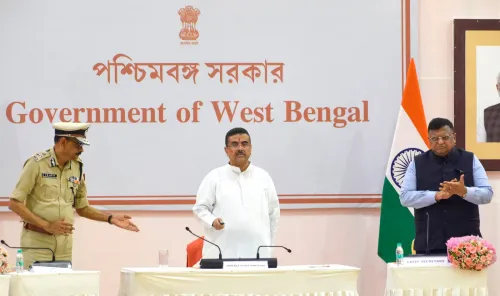
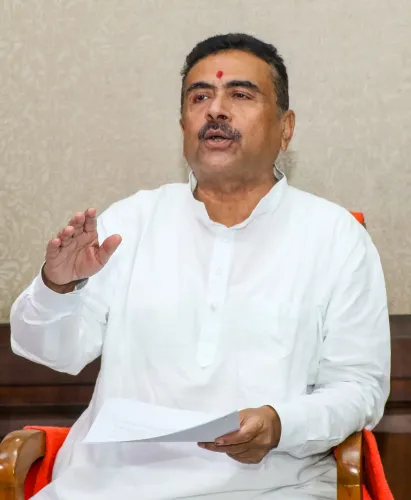
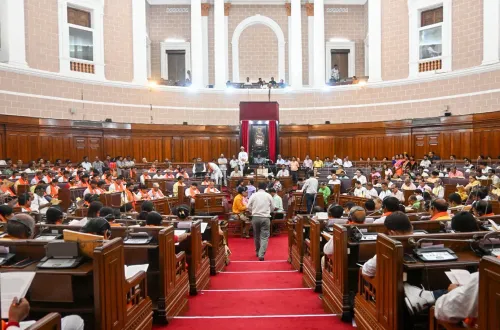
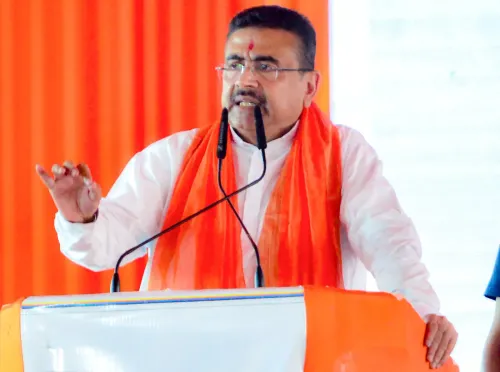
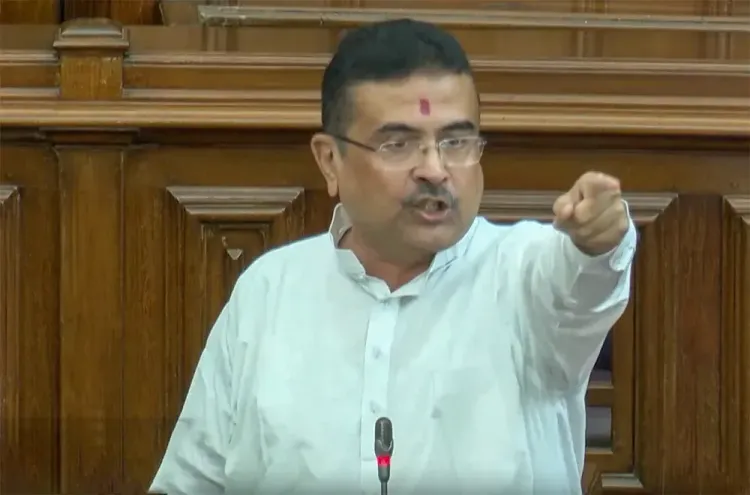
The West Bengal government on Monday, 29 June constituted a high-powered committee headed by retired Supreme Court judge Justice Ranjana Prakash Desai to prepare a blueprint for implementing the Uniform Civil Code (UCC) in the state. Chief Minister Suvendu Adhikari made the announcement during a special session of the West Bengal Assembly, signalling the ruling Bharatiya Janata Party (BJP)'s intent to fulfil a key election manifesto promise.
Committee Composition and Timeline
The panel will include a retired Indian Administrative Service (IAS) officer, a legal expert, an educationist, a social worker, and an Additional Secretary from the General Administration Department of the West Bengal government, who will serve as the committee's secretary. The committee is mandated to submit its recommendations within four weeks, after which the UCC Bill will be placed before the state legislature.
According to Chief Minister Adhikari, the UCC Bill is expected to be tabled in the West Bengal Assembly in August 2026, based on the panel's findings. The draft Bill is scheduled to be placed before the state Cabinet on 2 July for approval.
Why the Bill Was Not Tabled Monday
Initially, the government had planned to introduce the UCC Bill directly on the floor of the House on Monday. However, citing the sensitivity of the subject, Chief Minister Adhikari decided to defer the legislation until the committee's recommendations are received. The move reflects a more consultative approach than was originally envisaged.
Tribal Communities Exempted
Chief Minister Adhikari clarified that tribal communities, indigenous people, Kurmis, and other recognised ancient tribal groups will be excluded from the purview of the proposed law. He noted that this exemption follows the model adopted by Uttarakhand and Gujarat in their respective UCC frameworks.
West Bengal's Place in the UCC Map
If enacted, West Bengal would become the fourth Indian state to implement the UCC, after Uttarakhand, Gujarat, and Assam. The state government has drawn on the Gujarat Uniform Civil Code Bill, 2026, Assam's UCC Act, and Uttarakhand's Uniform Civil Code Act, 2024 as reference documents for drafting its own legislation.
'The state government has taken this initiative with the aim of implementing a single law across the state instead of having separate personal laws on the basis of religion. The BJP's election manifesto promised to implement the UCC in West Bengal and the government is determined to fulfil that promise. We are committed and we will implement what we have written in the manifesto,' Chief Minister Adhikari said.
This comes amid a broader national push for UCC implementation, with the Centre yet to introduce a uniform federal law. West Bengal's move, if it clears the Assembly, will add political momentum to that debate ahead of the next general election cycle.
Point of View
Mirroring Uttarakhand and Gujarat, is a necessary political safety valve but also an acknowledgement that a truly 'uniform' code remains elusive. The real test will be whether the August Assembly session can withstand opposition pressure and judicial scrutiny once the Bill is introduced.
NationPress
29 Sept 2026
Frequently Asked Questions
What is the UCC committee announced by the West Bengal government?
The West Bengal government has constituted a high-powered committee headed by retired Supreme Court judge Justice Ranjana Prakash Desai to prepare a blueprint for implementing the Uniform Civil Code (UCC) in the state. The panel includes a retired IAS officer, a legal expert, an educationist, a social worker, and an Additional Secretary from the General Administration Department.
When will the West Bengal UCC Bill be tabled in the Assembly?
Chief Minister Suvendu Adhikari has indicated the UCC Bill will be placed before the West Bengal Assembly in August 2026, following the committee's recommendations. The draft Bill is first scheduled for Cabinet approval on 2 July.
Which communities are exempt from West Bengal's proposed UCC?
Tribal communities, indigenous people, Kurmis, and other recognised ancient tribal groups will be kept outside the purview of the proposed law. Chief Minister Adhikari stated this exemption follows the model adopted by Uttarakhand and Gujarat.
Which states have already implemented the UCC in India?
Uttarakhand, Gujarat, and Assam have implemented or enacted UCC legislation ahead of West Bengal. If the West Bengal Bill passes, the state will become the fourth in India to have the UCC in force.
What is the basis for West Bengal's UCC Bill?
The West Bengal government has drawn on the Gujarat Uniform Civil Code Bill, 2026, Assam's UCC Act, and Uttarakhand's Uniform Civil Code Act, 2024 as reference frameworks for drafting its own legislation.