West Bengal UCC committee: All 9 members named, Bill due in Assembly by August
Synopsis
West Bengal has named all nine members of its UCC study committee, headed by retired Supreme Court judge Justice Ranjana Prakash Desai. With the Cabinet having cleared the draft on 2 July, the final Bill is on track to be tabled in the Assembly in August — which would make West Bengal the fourth Indian state to implement a Uniform Civil Code, after Gujarat, Uttarakhand, and Assam.
Key Takeaways
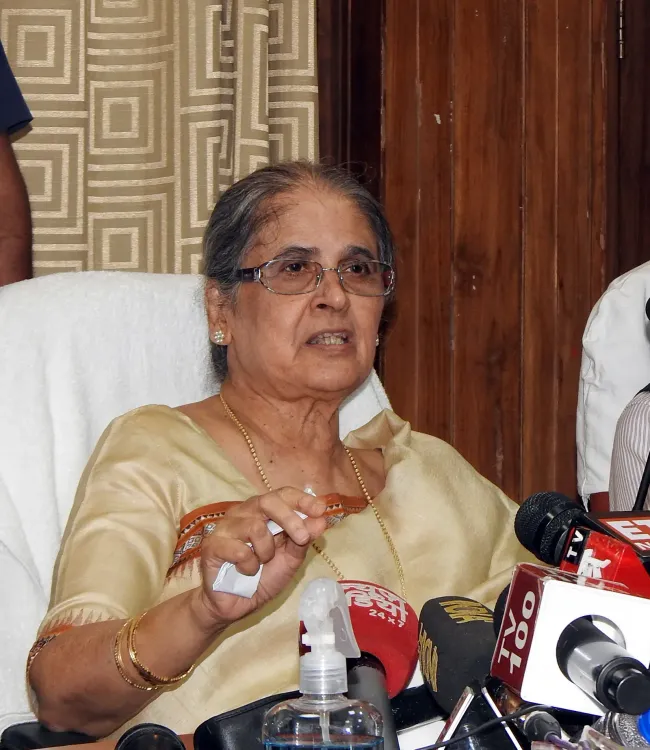
The West Bengal government has notified all 9 members of the UCC study committee, headed by retired Supreme Court judge Justice Ranjana Prakash Desai .
Other members include former Meghalaya Governor Tathagata Roy , Home Secretary Sanghamitra Ghosh , and Calcutta High Court advocate Osman Gani Mallick , among others.
The West Bengal Cabinet cleared the draft UCC Bill, West Bengal, 2026 on 2 July 2026 .
Tribal communities, indigenous peoples, and Kurmis will be exempt from the proposed law, following the Uttarakhand and Gujarat model.
If enacted, West Bengal will become the fourth Indian state to implement UCC, after Gujarat , Uttarakhand , and Assam .
The final Bill is expected to be tabled in the West Bengal Assembly in August 2026 .
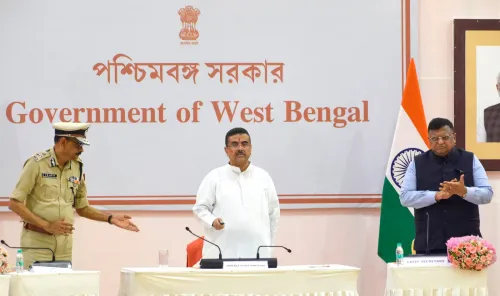
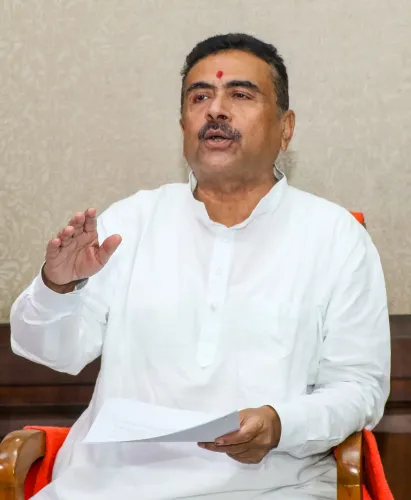
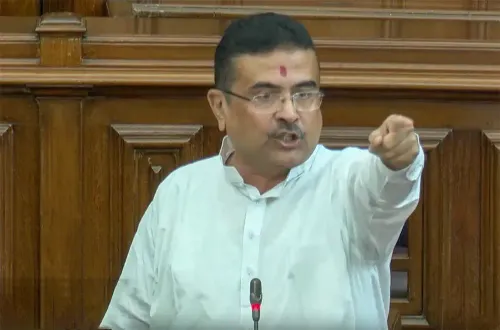
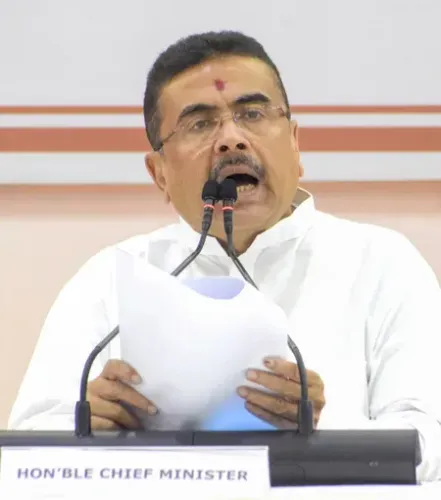
The West Bengal government led by Chief Minister Suvendu Adhikari has formally notified all nine members of the high-powered committee tasked with studying the draft Uniform Civil Code (UCC) Bill, West Bengal, 2026. The panel is headed by retired Supreme Court judge Justice Ranjana Prakash Desai, and its recommendations are expected to shape the final Bill before it is tabled in the West Bengal Assembly in August 2026.
Who Is on the Committee
The nine-member panel brings together a cross-section of legal, administrative, and academic expertise. Alongside Justice Desai, the committee includes former Meghalaya Governor Tathagata Roy, West Bengal's Resident Commissioner in New Delhi Dushyant Nariala, West Bengal Home Secretary Sanghamitra Ghosh, retired anthropology professor Ratna Bhattacharya, former vice-chancellor of Gour Banga University Gopal Chandra Mishra, Calcutta High Court advocate Osman Gani Mallick, and former executive director of Bengal Sambhag Nirmalya Bhattacharya.
The committee's mandate is to examine the draft Bill, consult stakeholders, and submit recommendations — after which a final version will be drafted and placed before the legislature.
Key Provisions and Exemptions
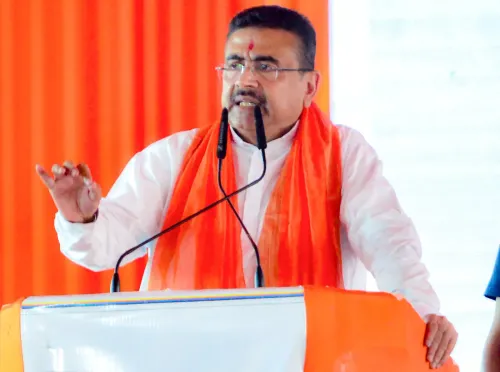
Chief Minister Adhikari has clarified that the state's tribal communities, indigenous peoples, Kurmis, and other recognised ancient tribal groups will be kept outside the purview of the proposed law. This approach mirrors the model adopted by Uttarakhand and Gujarat, which also carved out exemptions for scheduled tribes when enacting their respective UCC frameworks.
The core objective of the Bill, as stated by the Chief Minister, is to replace the existing patchwork of religion-based personal laws with a single, uniform civil statute applicable across the state — covering matters such as marriage, divorce, inheritance, and adoption.
How West Bengal Got Here
The West Bengal Cabinet cleared the draft Bill on 2 July 2026, just weeks after the Bharatiya Janata Party (BJP) — which had prominently promised UCC implementation in its Assembly election manifesto — came to power with Adhikari as the state's ninth Chief Minister. Union Home Minister Amit Shah had repeatedly emphasised the need for a UCC in West Bengal during campaign rallies ahead of the polls, making it one of the BJP's flagship state-level commitments.
Notably, the new government moved swiftly: the Cabinet cleared the draft within weeks of taking office, and the committee notification followed shortly after, signalling political urgency.
West Bengal's Place in the National UCC Picture
If the Bill is passed and implemented, West Bengal would become the fourth Indian state to enforce a Uniform Civil Code, after Gujarat, Uttarakhand, and Assam. Uttarakhand became the first state to enact a UCC in modern India in 2024, setting a legislative template that subsequent states have broadly followed — including the tribal exemption clause now being replicated in West Bengal.
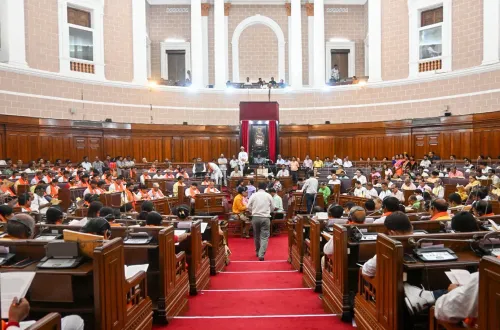
The committee's report, once submitted, will determine the final contours of the legislation. All eyes are now on whether the Assembly session in August proceeds on schedule and whether the Bill clears the floor without significant opposition.
Point of View
Followed swiftly by a full committee notification — reflects the BJP's intent to convert an election promise into legislative reality before political momentum fades. The inclusion of a Calcutta High Court advocate and a retired anthropologist alongside bureaucrats suggests the committee is designed to project both legal rigour and social sensitivity. However, the tribal exemption, while politically prudent, raises a structural question: if personal law reform is about equal rights, carving out large communities on identity lines partially undermines the universality the UCC is meant to establish. Whether the August timetable holds will be the first real test of the Adhikari government's legislative bandwidth.
NationPress
10 Oct 2026
Frequently Asked Questions
Who are the members of the West Bengal UCC committee?
The nine-member committee is headed by retired Supreme Court judge Justice Ranjana Prakash Desai. The other eight members are former Meghalaya Governor Tathagata Roy, Resident Commissioner Dushyant Nariala, Home Secretary Sanghamitra Ghosh, retired professor Ratna Bhattacharya, former Gour Banga University vice-chancellor Gopal Chandra Mishra, Calcutta High Court advocate Osman Gani Mallick, and former Bengal Sambhag executive director Nirmalya Bhattacharya.
What is the Uniform Civil Code Bill, West Bengal, 2026?
It is a proposed state law that would replace religion-based personal laws with a single civil code governing matters such as marriage, divorce, inheritance, and adoption for all residents of West Bengal. The Cabinet cleared the draft on 2 July 2026, and the final Bill is expected to be tabled in the Assembly in August 2026.
Which communities are exempt from the West Bengal UCC?
Tribal communities, indigenous peoples, Kurmis, and other recognised ancient tribal groups will be kept outside the purview of the proposed law. Chief Minister Suvendu Adhikari said this exemption follows the model adopted by Uttarakhand and Gujarat.
Will West Bengal be the first state to implement UCC?
No. If the Bill is passed, West Bengal would become the fourth Indian state to implement a Uniform Civil Code, after Gujarat, Uttarakhand, and Assam. Uttarakhand was the first to enact a UCC in modern India.
Why is the BJP pushing UCC in West Bengal?
The Bharatiya Janata Party had promised UCC implementation in its West Bengal Assembly election manifesto, and Union Home Minister Amit Shah repeatedly highlighted it during campaign rallies. After winning the election, the Adhikari government moved quickly to fulfil the commitment.