Bengal CM Adhikari vows strict law on forced conversion, love jihad
Synopsis
West Bengal's new Chief Minister Suvendu Adhikari has announced sweeping legislation targeting forced religious conversion, love jihad, and land jihad — while simultaneously moving a Uniform Civil Code Bill that would make Bengal only the fourth Indian state to adopt it. Five Bills hit the Assembly floor on Monday, marking the sharpest ideological reset in Bengal's political history in decades.
Key Takeaways
CM Suvendu Adhikari announced plans for strict laws against forced religious conversion and love jihad on 26 June .
Five Bills, including a Uniform Civil Code Bill, will be tabled in the West Bengal Assembly on Monday .
West Bengal is set to become the fourth Indian state to adopt the UCC, after Uttarakhand , Gujarat , and Assam .
Adhikari pledged to send illegal infiltrators to holding centres and repatriate them, while granting citizenship to persecuted refugees under the CAA .
The CM invoked Dr Shyama Prasad Mukherjee 's legacy as the ideological guiding principle of his government.
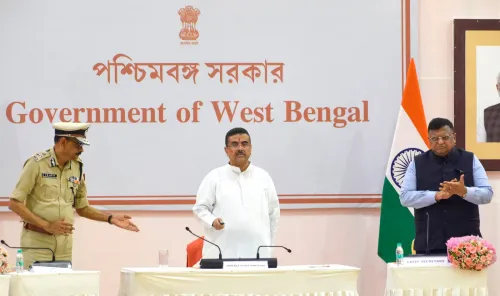
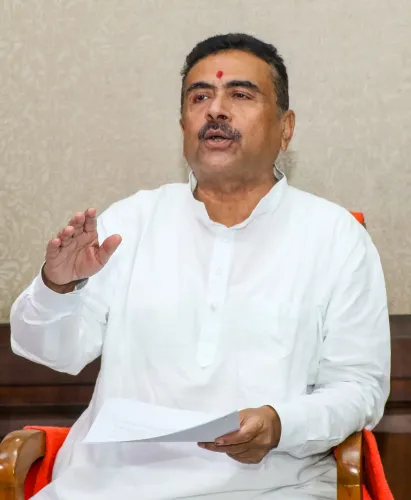
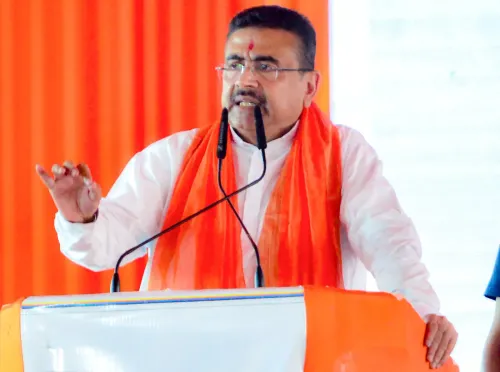
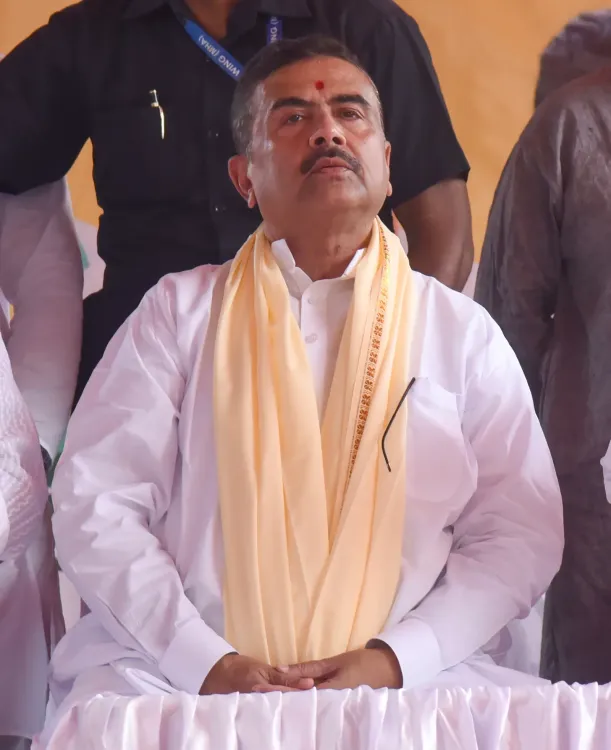
West Bengal Chief Minister Suvendu Adhikari on Friday, 26 June announced that his government will introduce strong legislation to prevent forceful religious conversion and love jihad in the state. Adhikari, who is West Bengal's ninth Chief Minister, made the declaration while addressing a function marking the 189th birth anniversary of Rishi Bankim Chandra Chattopadhyay — the author of India's national song, Vande Mataram.
Key Announcements by the Chief Minister
'West Bengal will move forward with the slogan of Dr Shyama Prasad Mukherjee as its guiding principle. Along with the Uniform Civil Code, the state government is going to bring strict laws against Land Jihad, Love Jihad and forced religious conversion,' Adhikari said at the event.
He further declared that anti-national forces would no longer find a foothold in the state. 'West Bengal will have no place for those who ridicule Operation Sindoor, insult the nation and remain silent during the Pahalgam attack,' he said.
Bills to Be Tabled on Monday
On Monday, five new Bills are set to be placed on the floor of the West Bengal Assembly. The two most significant among them will address the Uniform Civil Code (UCC) and measures to curb anti-social activities in the state.
With the tabling of the UCC Bill, West Bengal is poised to become the fourth Indian state to replace religion-based personal laws with a unified civil code applicable to all citizens regardless of religion, caste, or tribe. The three states that have already adopted the UCC are Uttarakhand, Gujarat, and Assam.
Stance on Infiltrators and Refugees
Adhikari also outlined a firm position on illegal infiltration. 'We are committed to first sending illegal infiltrators to holding centres and from there to the place they came from,' he said.
However, he drew a clear distinction for refugees fleeing religious persecution, affirming that such individuals would be granted citizenship under the Citizenship Amendment Act (CAA).
Historical and Political Context
Adhikari invoked the legacy of prominent Bengali icons — Chaitanya Dev, Netaji Subhas Chandra Bose, and Dr Shyama Prasad Mukherjee — to frame his government's ideological direction. He credited the people of West Bengal with having 'done half the work' of protecting the state from anti-national activities through the recently concluded West Bengal Assembly elections, pledging that his administration would complete the rest.
The announcements signal a sharp ideological shift in Bengal's political landscape, with the new government moving quickly to legislate on contentious issues that were central to its election campaign. The UCC Bill's introduction will be closely watched as a bellwether for how the state navigates religion, identity, and civil law in one of India's most politically complex states.
Point of View
And Gujarat's implementation remains patchy. Bengal's demographic and political complexity makes this a far higher-stakes gamble. Notably, the simultaneous invocation of Operation Sindoor and the Pahalgam attack frames these legislative moves within a security narrative, which could either consolidate the new government's mandate or deepen existing communal fault lines — a risk that mainstream coverage has so far underplayed.
NationPress
25 Sept 2026
Frequently Asked Questions
What laws has CM Suvendu Adhikari announced for West Bengal?
CM Suvendu Adhikari has announced strict laws against forced religious conversion, love jihad, and land jihad in West Bengal. He made the announcement on 26 June at a function marking the 189th birth anniversary of Rishi Bankim Chandra Chattopadhyay.
When will the Uniform Civil Code Bill be tabled in West Bengal?
The Uniform Civil Code Bill is scheduled to be tabled on Monday along with four other Bills in the West Bengal Assembly. If passed, West Bengal will become the fourth Indian state to adopt the UCC.
Which states have already adopted the Uniform Civil Code?
Uttarakhand, Gujarat, and Assam have already adopted the Uniform Civil Code. West Bengal is set to become the fourth state to do so with the tabling of its UCC Bill.
What did CM Adhikari say about illegal infiltrators and refugees?
Adhikari said illegal infiltrators would be sent to holding centres and then repatriated to their country of origin. He also said refugees who fled religious persecution would be granted citizenship under the Citizenship Amendment Act (CAA).
What is the ideological basis of the new West Bengal government's agenda?
CM Adhikari stated that his government would be guided by the principles of Dr Shyama Prasad Mukherjee, the founder of the Bharatiya Jana Sangh. He also invoked the legacies of Netaji Subhas Chandra Bose and Chaitanya Dev in framing West Bengal's identity.