West Bengal UCC Bill tabled Monday, state becomes 4th to adopt uniform civil code
Synopsis
West Bengal is set to become India's fourth state to table a Uniform Civil Code Bill, joining Uttarakhand, Gujarat, and Assam. With Chief Minister Suvendu Adhikari personally participating in Monday's debate and a contentious Public Safety Bill also on the docket, the session marks one of the most politically charged Assembly days in the state's recent history.
Key Takeaways
West Bengal will table a Uniform Civil Code (UCC) Bill on Monday, 30 June 2026 , making it the fourth Indian state to move toward replacing religion-based personal laws.
The other three states that have already adopted the UCC are Uttarakhand , Gujarat , and Assam .
A total of five Bills will be placed before the House; one hour has been allotted for discussion.
Chief Minister Suvendu Adhikari and Leader of the Opposition Ritabrata Banerjee are both scheduled to participate in the debate.
The session will also consider 'The West Bengal Public Safety and Control of Anti-Social Activities Bill, 2026' , which allows preventive detention up to one year and state property confiscation powers.
The move aligns with campaign pledges made by Union Home Minister Amit Shah ahead of the recently concluded West Bengal Assembly elections.
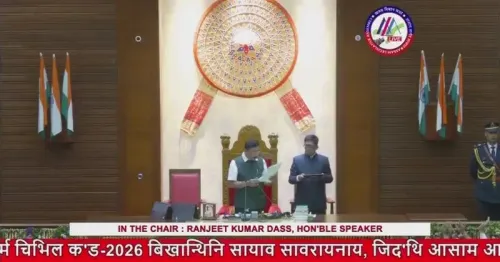
The West Bengal Assembly is set to table a Uniform Civil Code (UCC) Bill on Monday, 30 June 2026, a move that would make the state the fourth in India to replace religion-based personal laws with a single, unified civil framework applicable equally to all citizens regardless of religion, caste, or tribe. The decision follows a preparatory meeting convened by Assembly Speaker Rathindra Bose at the Assembly premises on Thursday evening.
Key Developments in the Assembly Session
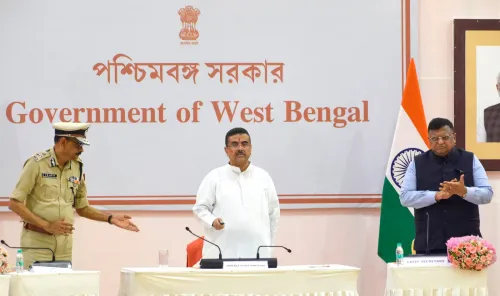
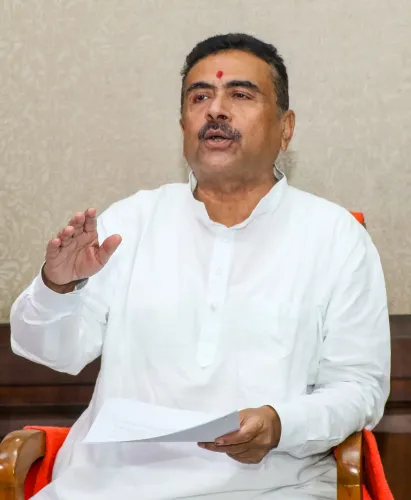
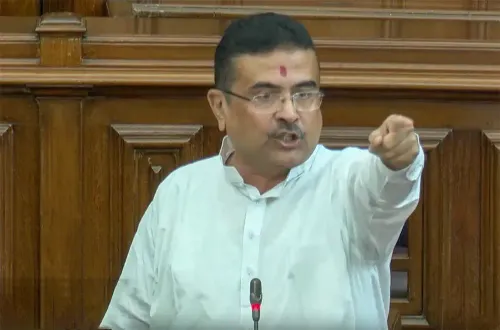
A total of five Bills are scheduled to be placed on the floor of the House on Monday, of which the UCC Bill is widely regarded as the most consequential. According to an unnamed Assembly member who was present at the meeting, one hour has been allotted for discussion on all five Bills combined. Chief Minister Suvendu Adhikari is expected to personally participate in the debate, as is Leader of the Opposition Ritabrata Banerjee.
West Bengal Joins Three Other States
If passed, West Bengal will become the fourth Indian state to enact the UCC, joining Uttarakhand, Gujarat, and Assam. The move is consistent with commitments made by Union Home Minister Amit Shah during campaign rallies ahead of the recently concluded West Bengal Assembly elections, where he pledged to enforce the UCC in the state, according to political observers.
The Public Safety Bill: A Second Major Legislation
Alongside the UCC Bill, the Assembly will also consider 'The West Bengal Public Safety and Control of Anti-Social Activities Bill, 2026'. The proposed law diverges from the Bharatiya Nyaya Sanhita (BNS), 2023 in two significant respects. First, it would allow preventive detention of up to one year for individuals identified as threats to public safety. Second, it grants the state government authority to confiscate property of persons involved in such offences under relevant BNS provisions.
Political Context and What Comes Next
The tabling of the UCC Bill in West Bengal carries substantial political weight. Critics and opposition voices at the national level have long argued that the UCC disproportionately impacts minority communities, while proponents contend it establishes genuine legal equality. The West Bengal move signals a broader push by Bharatiya Janata Party (BJP)-governed states to implement the UCC ahead of any potential central legislation. All eyes will now be on Monday's Assembly session and whether the Bill clears the floor without significant amendment.
Point of View
Including one that rewrites civil law for millions, is thin scrutiny by any standard. The Public Safety Bill's preventive detention clause, running up to a year without trial, deserves far more parliamentary examination than a shared hour allows. Together, these two Bills signal that the new West Bengal government is moving fast to consolidate its mandate — but speed and legislative rigour rarely travel together.
NationPress
24 Sept 2026
Frequently Asked Questions
What is the UCC Bill being tabled in West Bengal?
The Uniform Civil Code (UCC) Bill proposes replacing religion-based personal laws with a single, unified set of civil laws applicable equally to all citizens of West Bengal, regardless of religion, caste, or tribe. If passed, West Bengal will become the fourth Indian state to adopt the UCC, after Uttarakhand, Gujarat, and Assam.
When will the West Bengal UCC Bill be tabled?
The Bill is scheduled to be tabled on the floor of the West Bengal Assembly on Monday, 30 June 2026. The decision to move the Bill was taken at a meeting convened by Speaker Rathindra Bose on Thursday evening.
Which states have already adopted the Uniform Civil Code?
Three Indian states — Uttarakhand, Gujarat, and Assam — have already adopted the UCC. West Bengal is set to become the fourth if Monday's Bill is passed.
What is the West Bengal Public Safety and Control of Anti-Social Activities Bill, 2026?
It is a separate legislation being tabled alongside the UCC Bill on Monday. It differs from the Bharatiya Nyaya Sanhita (BNS), 2023 in two key ways: it allows preventive detention of up to one year for persons deemed a threat to public safety, and grants the state government power to confiscate property of those involved in anti-social offences.
Why is the West Bengal UCC move politically significant?
The move fulfils a direct campaign pledge made by Union Home Minister Amit Shah at rallies ahead of the recently concluded West Bengal Assembly elections. It also signals a broader BJP-governed state push to implement the UCC ahead of any potential central legislation, making it one of the most consequential legislative sessions in the state in recent years.