Bengal BJP clarifies Scheduled Tribes exempt from UCC Bill ahead of June 29 tabling
Synopsis
With West Bengal's UCC Bill days away from being tabled, BJP state chief Samik Bhattacharya moved to defuse public anxiety by confirming Scheduled Tribes are constitutionally exempt — while reaffirming the Bill targets polygamy and religion-based personal laws. The clarification signals the BJP is bracing for a charged floor debate in a state where it remains in opposition.
Key Takeaways
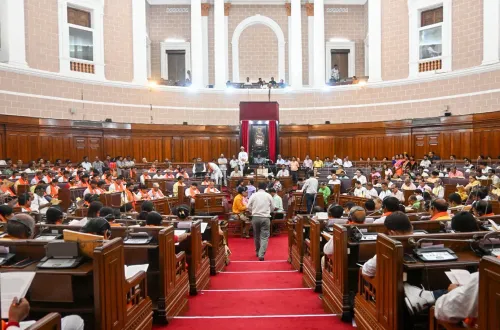
The West Bengal UCC Bill is scheduled to be tabled in the state Assembly on 29 June .
BJP state president Samik Bhattacharya confirmed that Scheduled Tribes are exempt under Article 366 read with Article 342 of the Constitution.
The Bill covers civil matters including marriage, divorce, inheritance, and adoption , and aims to eliminate practices such as polygamy .
Family planning or determining the number of children is not part of the UCC's provisions, Bhattacharya clarified.
The UCC has been a part of the BJP's West Bengal election manifesto , with the party calling it a constitutional equality measure.
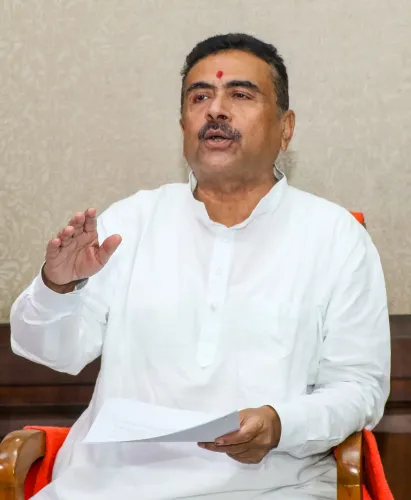
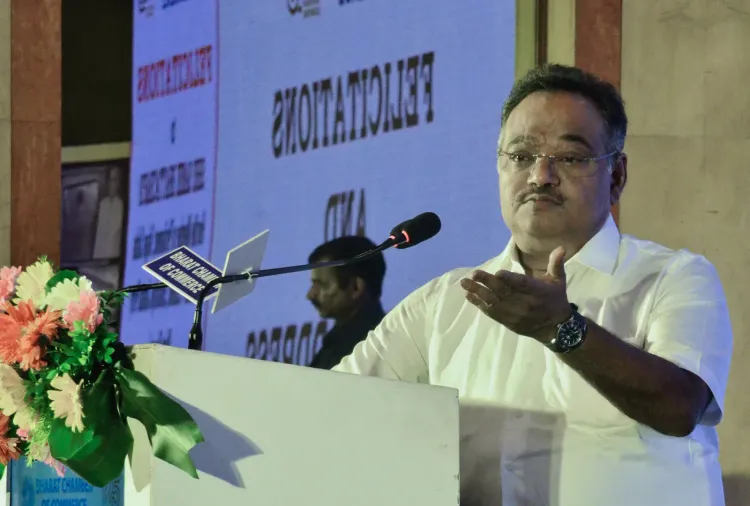
Bharatiya Janata Party (BJP) state president Samik Bhattacharya on Saturday, 27 June issued a formal clarification on the scope of the proposed Uniform Civil Code (UCC) Bill in West Bengal, ahead of its scheduled tabling in the state Assembly on 29 June. Bhattacharya categorically stated that Scheduled Tribes (STs) would not fall under the purview of the Bill under any circumstances, addressing growing public uncertainty about the legislation.
What the Clarification Says
In a statement issued on social media, Bhattacharya cited constitutional provisions directly, stating that 'nothing contained in this Code shall apply to members of any Scheduled Tribe within the meaning of clause (25) of Article 366 read with Article 342 of the Constitution of India.' The clarification is significant given the substantial Scheduled Tribe population across several districts of West Bengal, particularly in Junglemahal and the northern hill regions.
BJP's Position on UCC in West Bengal
Bhattacharya emphasised that the BJP's support for a Uniform Civil Code is a long-standing policy position and was explicitly part of the party's manifesto ahead of the recently concluded West Bengal assembly elections. He stated there was 'no hiding or masking' of the party's intent. The BJP argues that a UCC would ensure equal rights and equal duties for all citizens under a single civil framework, replacing religion-based personal laws governing marriage, divorce, inheritance, and adoption.
Key Provisions and What Is Not Included
Bhattacharya outlined that a uniform civil structure would, in his view, strengthen constitutional ideals of unity, justice, and equality. He specifically noted that enacting such a law could serve as a step toward eliminating practices permitted under certain personal laws, including polygamy. He also clarified, notably, that family planning or determining the number of children is not part of the UCC's purpose or provisions — pushing back against a widely circulated misconception.
Balancing Equality and Constitutional Protections
The BJP leader sought to frame the two objectives — equal civil law for all citizens and the special constitutional protections afforded to Scheduled Tribes — as complementary rather than contradictory. He said there was 'no reason to spread confusion,' arguing that both priorities had been addressed together in the proposed legislation. This comes amid broader national debate over UCC implementation, with Uttarakhand having become the first state to enact such a code earlier in 2024.
What Happens Next
The UCC Bill is set to be introduced in the West Bengal Legislative Assembly on 29 June. Its passage would mark a significant political moment for the BJP in a state where the party is in opposition to the ruling All India Trinamool Congress (TMC). Opposition reactions from the TMC and other parties are expected once the Bill is formally tabled.
Point of View
Not legislation — and that distinction matters. The broader national UCC conversation has also been marked by implementation gaps even where laws exist, as Uttarakhand's experience shows. West Bengal would do well to watch that closely.
NationPress
26 Sept 2026
Frequently Asked Questions
Are Scheduled Tribes exempt from the West Bengal UCC Bill?
Yes. BJP state president Samik Bhattacharya clarified that under no circumstances will Scheduled Tribes come under the purview of the UCC Bill, citing Article 366 and Article 342 of the Constitution of India.
When will the West Bengal UCC Bill be tabled in the Assembly?
The Uniform Civil Code Bill for West Bengal is scheduled to be tabled in the state Legislative Assembly on 29 June.
What does the West Bengal UCC Bill cover?
The Bill proposes a uniform civil framework covering marriage, divorce, inheritance, and adoption for all citizens except Scheduled Tribes. It also aims to eliminate practices such as polygamy permitted under certain personal laws.
Does the UCC Bill regulate family planning or number of children?
No. Bhattacharya explicitly clarified that determining the number of children is not part of the UCC's purpose or provisions, countering a widely circulated misconception.
Why is the BJP pushing the UCC Bill in West Bengal?
The BJP has maintained that a Uniform Civil Code is necessary to ensure equal rights and duties for all citizens under a single civil law. The party included it in its West Bengal election manifesto and frames it as a constitutional equality measure.