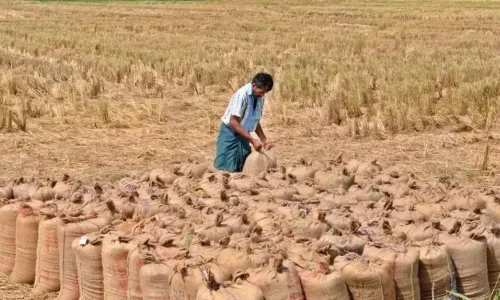
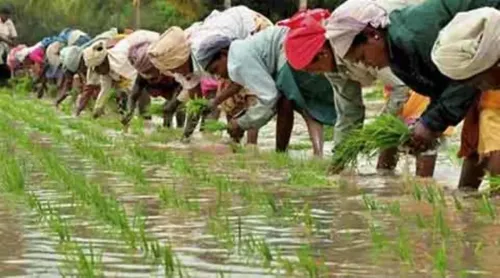
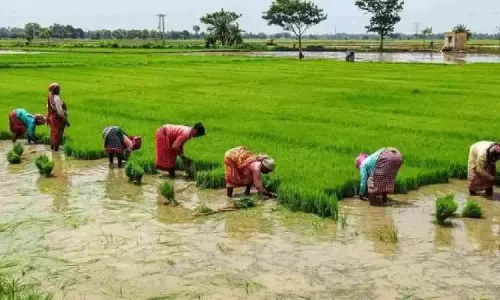
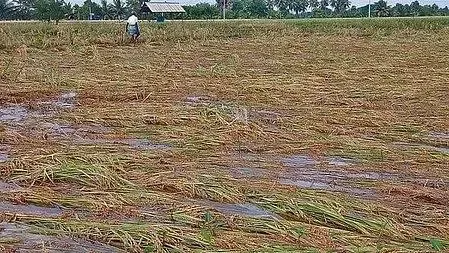
Wild rice weed hits 150 acres of paddy fields in Kanyakumari, farmers seek urgent govt aid
Synopsis
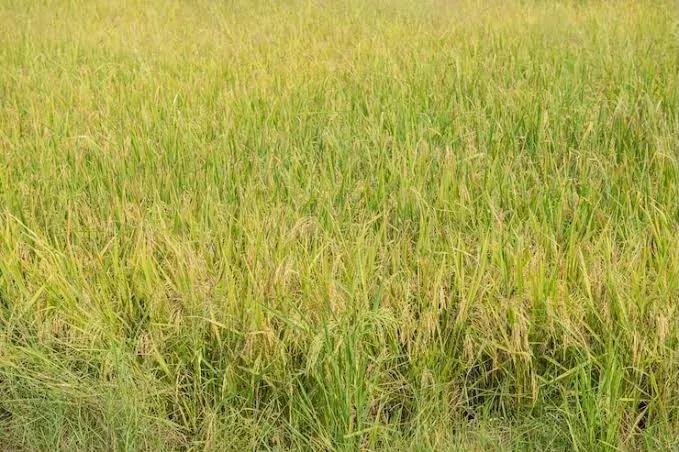
A weed that looks almost identical to paddy in its early stages has quietly taken over 150 of 500 cultivated acres in Kanyakumari's Chenbagaramanputhoor — and farmers warn that without immediate government action, it could spread to every field in the village within a few seasons.
Key Takeaways
Wild rice weed has infested an estimated 150 acres out of roughly 500 acres of paddy fields in Chenbagaramanputhoor , Kanyakumari district .
The infestation was first noticed four years ago but has accelerated sharply in the current Kanni Poo paddy season .
Affected varieties include Ambai-16 , TPS-5 , and Ambai-21 , grown primarily through transplantation.
Wild rice mimics cultivated paddy in early growth, making manual removal labour-intensive and costly.
The Chenbagaramanputhoor Farmers Association has demanded field inspections, source identification, and coordinated control measures from the Tamil Nadu Agriculture Department .
Farmers warn that unharvested weed seeds will fuel recurring infestations, threatening the remaining unaffected 350 acres in future seasons.
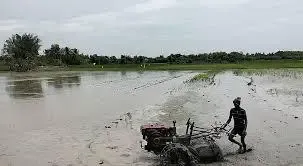
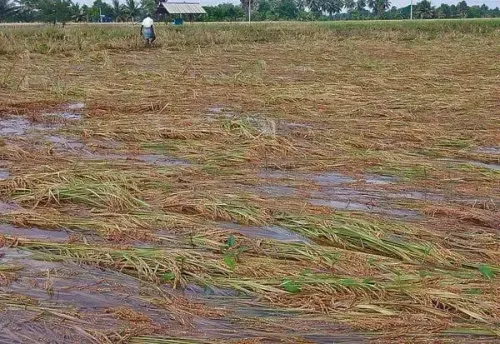
Paddy farmers in Chenbagaramanputhoor, Thovalai taluk, Kanyakumari district, Tamil Nadu, are battling a fast-spreading wild rice weed infestation that has already engulfed an estimated 150 acres of the village's roughly 500 acres of cultivated paddy land. The Chenbagaramanputhoor Farmers Association has urged the state government and the Agriculture Department to intervene immediately before the weed overruns currently unaffected fields.
Scale of the Infestation
The weed, commonly known as weedy rice, was first observed in the area approximately four years ago but has expanded sharply over recent seasons. During the ongoing Kanni Poo paddy season, farmers cultivating varieties such as Ambai-16, TPS-5, and Ambai-21 have reported the worst spread yet, particularly in transplanted fields. Fields along both sides of the main road through the village — irrigated largely by the Thovalai channel — are among the most affected.
Why Wild Rice Is Especially Difficult to Control
Unlike conventional weeds, wild rice closely mimics cultivated paddy in its early growth stages, making visual identification and timely removal considerably harder. Once established, it competes aggressively with the crop for nutrients, water, and space, directly suppressing yields. Seeds shed before harvest can persist in the soil, fuelling recurring infestations in subsequent seasons and making eradication progressively more difficult.
Rising Costs for Already Stretched Farmers
The infestation has pushed up cultivation expenses significantly. Farmers must deploy additional labour solely to identify and manually uproot the weed — a labour-intensive process at a time when agricultural wages and farm input costs have already risen sharply. The dual pressure of higher costs and lower productivity is straining household incomes across affected holdings.
What Farmers Are Demanding
The Chenbagaramanputhoor Farmers Association has called on agriculture officials to conduct field inspections, trace the source of the infestation, and recommend scientifically validated control measures. Farmers have also sought coordinated, village-wide intervention — including technical guidance — to prevent cross-contamination of healthy fields during future cultivation seasons. Without such action, they warn, the infestation could spread well beyond its current 150-acre footprint.
What Happens Next
If the state government and Agriculture Department respond with targeted support, early containment remains feasible given that roughly 70% of Chenbagaramanputhoor's paddy area is still unaffected. Inaction, however, risks a geometric expansion of the problem as harvested seeds re-enter the soil. Agricultural experts note that weedy rice management typically requires a combination of crop rotation, certified seed use, and, in severe cases, selective herbicide application — all of which require official coordination and funding support that farmers say they currently lack.
Point of View
But they reach farmers unevenly. If 30% of a village's paddy area is already lost and the state has not yet inspected a single field, the response system is lagging the problem by at least two seasons.
NationPress
23 Sept 2026
Frequently Asked Questions
What is wild rice or weedy rice, and why is it a problem for paddy farmers?
Wild rice, also called weedy rice, is a weed that closely resembles cultivated paddy in its early growth stages, making it very difficult to identify and remove in time. It competes with the paddy crop for water, nutrients, and space, reducing yields and forcing farmers to spend more on additional labour for manual weeding.
How much paddy land has been affected in Chenbagaramanputhoor?
According to local farmers, wild rice has spread across approximately 150 acres of the roughly 500 acres of paddy fields in Chenbagaramanputhoor, Thovalai taluk, Kanyakumari district. The infestation is concentrated in transplanted fields irrigated by the Thovalai channel.
When did the wild rice infestation first appear in this area?
Farmers say the weed was first noticed in Chenbagaramanputhoor about four years ago. It has expanded considerably in recent seasons and reached its current scale during the ongoing Kanni Poo paddy season.
What are farmers demanding from the Tamil Nadu government?
The Chenbagaramanputhoor Farmers Association has asked the state government and the Agriculture Department to inspect affected fields, identify the source of the infestation, and recommend effective control measures. Farmers are also seeking technical guidance and coordinated intervention to protect currently unaffected fields in future seasons.
Why is the infestation so hard to eradicate once it takes hold?
Wild rice seeds that are shed before or during harvest remain in the soil and germinate in subsequent seasons, causing recurring infestations. Each cycle makes eradication harder, and without coordinated village-wide action — including crop rotation, certified seed use, and possible herbicide application — the weed tends to spread further with every cultivation season.