World Bank warns Balochistan housing fund diversion deepens poverty risk
Synopsis
The World Bank has warned that diverting funds from Balochistan's flood housing programme has left over 119,000 verified households without support — 84 per cent of them ultra-poor. The lender says this is not just a housing gap but a compounding poverty trap that raises disaster risk and threatens the entire recovery framework.
Key Takeaways
The World Bank warned that capping Balochistan's flood housing scheme risks deepening poverty, raising disaster vulnerability, and fuelling social tensions.
119,049 verified and eligible households have been left without identified financing support after assistance was capped at 62,966 first-tranche beneficiaries as of 22 June 2026 .
84 per cent of eligible beneficiaries are ultra-poor or vulnerable; 28 per cent earn less than $30 per month .
66,120 exclusion-related grievances were registered in the project's grievance management system by the agreed cut-off date.
The World Bank also flagged concerns over how fraud and corruption issues within the programme are being handled.
The World Bank has issued a stark warning that capping housing assistance and redirecting funds from a multi-billion-rupee resilient housing programme for flood-affected communities in Pakistan's Balochistan toward infrastructure projects risks deepening poverty, amplifying disaster vulnerability, and stoking social tensions, according to a report published in Dawn.
Scale of Exclusion
The diversion has left 119,049 verified and eligible households without identified financing support. Housing assistance was capped at 62,966 first-tranche beneficiaries as of 22 June 2026, with subsidy support limited to 97,000 households in total. The gap between verified eligibility and actual coverage has drawn sharp scrutiny from the multilateral lender.
The World Bank also expressed serious concern over the manner in which fraud and corruption issues within the programme were being handled, according to the Dawn report.
Who Is Being Left Behind
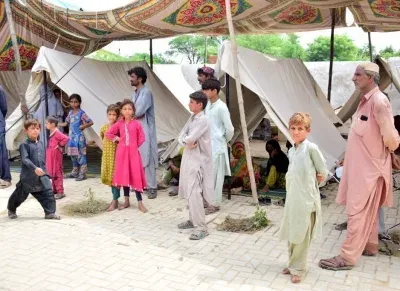
The beneficiary profile underscores the acute vulnerability of those excluded. According to the report, 84 per cent of eligible beneficiaries are classified as ultra-poor or vulnerable. Of these, 28 per cent earn less than $30 per month and another 26 per cent earn between $31 and $70 per month.
Occupationally, 39 per cent are tenants, 37 per cent are daily-wage labourers, and 8 per cent are small farmers — groups with little financial buffer to absorb the loss of housing support. By the agreed cut-off date, 66,120 exclusion-related grievances had been registered in the project's grievance management system.
The Compounding Risk
'Based on the socio-economic profile of the eligible household, the risk is not simply that households remain without housing assistance; rather, it is that existing vulnerabilities become mutually reinforcing and deepen over time,' the World Bank stated in the report.
The lender warned that excluded families may be forced to divert income away from food, healthcare, and education to fund temporary shelter repairs, or resort to debt and the sale of productive assets. 'With the capping of housing support, eligible but excluded households may face a compounding cycle of vulnerability that not only reinforces poverty but increases it, raises disaster risk and undermines long-term recovery and resilience, diminishing the objectives with which the project was initiated,' the report said.
Broader Implications
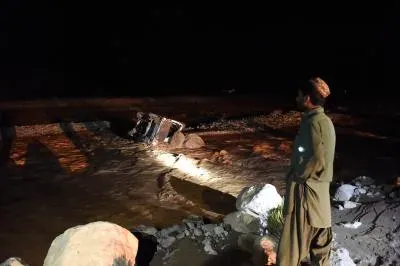
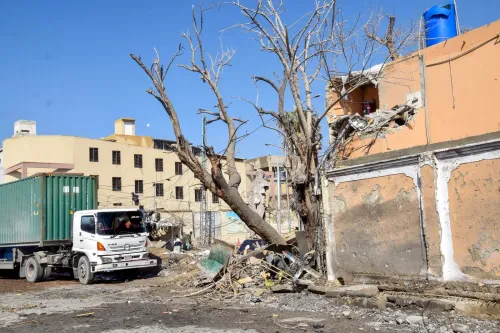
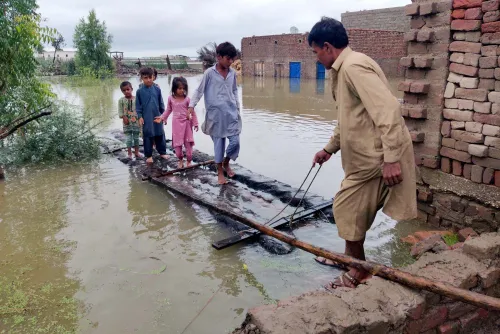
Balochistan has been among the regions most severely battered by recurrent flooding in recent years, and the resilient housing programme was conceived precisely to break the cycle of destruction and displacement. Critics argue that redirecting funds mid-programme — before verified beneficiaries receive support — contradicts the project's foundational rationale and could erode community trust in future disaster-relief initiatives.
This comes amid wider concerns about Pakistan's capacity to manage large-scale multilateral-funded recovery programmes transparently, with fraud and corruption flagged as ongoing risks by the World Bank itself. How Islamabad responds to the lender's concerns is expected to have implications for the programme's continued funding and future disbursements.
Point of View
Leaving the most disaster-exposed households to absorb the next shock without a safety net. The fraud and corruption concerns flagged alongside the diversion suggest the programme's governance architecture is under strain. If Islamabad does not course-correct, it risks not just the welfare of 119,000 families but also its credibility as a recipient of future multilateral disaster-recovery financing.
NationPress
26 Sept 2026
Frequently Asked Questions
Why has the World Bank warned about Balochistan's housing programme?
The World Bank warned that capping housing assistance and redirecting funds from the multi-billion-rupee resilient housing programme toward infrastructure projects risks deepening poverty, increasing disaster vulnerability, and fuelling social tensions. The concern centres on 119,049 verified households being left without financing support.
How many households have been excluded from the Balochistan housing scheme?
As of 22 June 2026, housing assistance was capped at 62,966 first-tranche beneficiaries, with subsidy support limited to 97,000 households in total, leaving 119,049 verified and eligible households without identified financing support.
Who are the affected beneficiaries in Balochistan's flood housing programme?
According to the World Bank report, 84 per cent of eligible beneficiaries are ultra-poor or vulnerable. Of these, 28 per cent earn less than $30 per month, 26 per cent earn between $31 and $70, 39 per cent are tenants, 37 per cent are daily-wage labourers, and 8 per cent are small farmers.
What risks does the World Bank say excluded households face?
The World Bank warned that excluded families may be forced to divert income from food, healthcare, and education to pay for temporary shelter repairs, or resort to debt and the sale of productive assets. It described this as a 'compounding cycle of vulnerability' that reinforces and deepens poverty over time.
What is the grievance situation within the Balochistan housing programme?
By the agreed cut-off date, 66,120 exclusion-related grievances had been registered in the project's grievance management system. The World Bank also expressed serious concern over how fraud and corruption issues within the programme are being handled.