Andhra Pradesh to procure 1,600 MW thermal power amid rising demand
Synopsis
Andhra Pradesh has cleared the first phase of a major thermal power expansion — 1,600 MW via competitive bidding — as part of a broader 5,588 MW coal-based capacity plan by FY 2035-36. With industrial growth driving demand and renewables unable to guarantee firm supply alone, this procurement signals the state's pragmatic bet on baseload thermal power even as the energy transition accelerates.
Key Takeaways
Andhra Pradesh will procure 1,600 MW of coal-based thermal power through Tariff-Based Competitive Bidding under the Electricity Act, 2003 .
The Andhra Pradesh Electricity Regulatory Commission (APERC) granted in-principle approval to distribution companies on 7 August .
The 1,600 MW is the first phase of a 5,588 MW thermal capacity addition recommended by the Central Electricity Authority by FY 2035-36 .
Procurement follows the Design, Build, Finance, Own and Operate (DBFOO) model, using Union Ministry of Power standard documents.
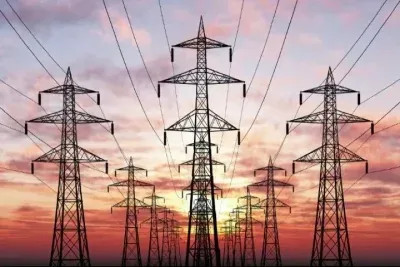
New capacity will preferably connect to the Andhra Pradesh State Transmission Network to optimise infrastructure use and reduce inter-state connectivity delays.
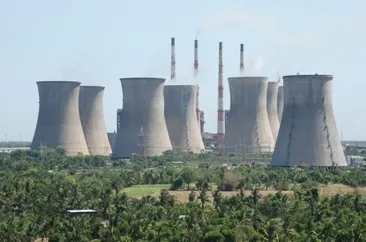
Andhra Pradesh is set to procure 1,600 MW of coal-based thermal power as the state's electricity consumption and peak demand surge, with the Andhra Pradesh Electricity Regulatory Commission (APERC) granting in-principle approval to distribution companies to launch a competitive bidding process. The move, announced on 7 August from Amaravati, marks the first phase of the state's long-term thermal capacity expansion programme.
How the Procurement Will Work
The power will be sourced through Tariff-Based Competitive Bidding under Section 63 of the Electricity Act, 2003, using the Design, Build, Finance, Own and Operate (DBFOO) model. The bidding process will follow standard Request for Qualification (RFQ), Request for Proposal (RFP), and Power Supply Agreement documents as notified by the Union Ministry of Power.
According to an official release, the process represents a significant opening for power developers seeking long-term supply contracts in the state.
The Larger Capacity Addition Plan
The 1,600 MW procurement is only the beginning. The Central Electricity Authority's (CEA) Resource Adequacy Plan for Andhra Pradesh has recommended the phased addition of approximately 5,588 MW of coal-based thermal generation capacity by FY 2035-36. The first phase addresses the state's near-term projected demand and peak load growth, driven by expanding industrial activity, urban infrastructure development, and electricity-intensive investments across multiple sectors.
Why Thermal Power, Despite Renewables Push
Andhra Pradesh has been aggressively building its renewable energy portfolio, but firm, dispatchable thermal capacity remains critical for grid stability. The planned thermal addition is intended to backstop the grid during evening peak hours, seasonal demand spikes, and periods when wind and solar generation fall short. This is a pattern seen across several southern states, where renewable intermittency has exposed the limits of supply reliability without adequate baseload backup.
Transmission Network Preference
The APERC has directed distribution companies to ensure the new capacity is preferably connected to the Andhra Pradesh State Transmission Network, which, according to the Commission, would optimise utilisation of existing infrastructure and reduce delays linked to inter-state connectivity approvals. However, projects routed through the Inter-State Transmission System (ISTS) may be considered where the landed cost of power at the Andhra Pradesh boundary is demonstrably lower than state-network-connected generation.
With the bidding process now cleared for launch, attention will shift to developer response and whether the procurement timelines hold as the state races to keep pace with its growing power appetite.
Point of View
600 MW of coal-based thermal capacity is a pragmatic acknowledgement that renewable energy alone cannot yet guarantee firm power supply — a tension that India's energy transition has not resolved. The DBFOO model places financial risk squarely on private developers, which is structurally sound, but the state's track record on tariff renegotiation and payment security will determine developer appetite. More significantly, committing to 5,588 MW of coal capacity through FY 2035-36 raises questions about stranded-asset risk as battery storage costs continue to fall. The real test is whether the procurement timelines and tariff structures are designed with enough flexibility to avoid locking in expensive baseload power that cheaper storage solutions could eventually displace.
NationPress
21 Sept 2026
Frequently Asked Questions
Why is Andhra Pradesh procuring 1,600 MW of thermal power?
Andhra Pradesh is procuring 1,600 MW of coal-based thermal power to meet rising electricity demand and peak load requirements driven by industrial expansion, urban growth, and electricity-intensive investments. The thermal capacity will also provide firm, dispatchable power to support the grid when renewable energy generation is unavailable.
What is the total thermal capacity Andhra Pradesh plans to add by 2035-36?
The Central Electricity Authority's Resource Adequacy Plan has recommended approximately 5,588 MW of coal-based thermal generation capacity for Andhra Pradesh by FY 2035-36. The 1,600 MW now being procured is the first phase of this larger programme.
How will the 1,600 MW thermal power be procured?
The procurement will be conducted through Tariff-Based Competitive Bidding under Section 63 of the Electricity Act, 2003, using the Design, Build, Finance, Own and Operate model. The process will follow standard RFQ, RFP, and Power Supply Agreement documents notified by the Union Ministry of Power.
What role does the Andhra Pradesh Electricity Regulatory Commission play?
The APERC has granted in-principle approval to the state's power distribution companies to initiate the competitive bidding process. It has also directed that the new capacity be preferably connected to the Andhra Pradesh State Transmission Network to optimise infrastructure use.
How does this thermal procurement fit with Andhra Pradesh's renewable energy goals?
Andhra Pradesh is expanding its renewable energy portfolio, but thermal power is being added to complement it — specifically to ensure reliable electricity during evening peaks, seasonal fluctuations, and periods when wind and solar output is low. The thermal capacity is intended to provide grid stability that intermittent renewables currently cannot guarantee.