APEDA flags off 1 MT makhana export from Bihar's Purnea to Greece

Synopsis
A 1 MT makhana consignment has left Purnea, Bihar for Greece — a small shipment with a larger signal. India exported 7,000 MT of makhana worth $22 million in FY 2025–26, and with APEDA targeting Europe and Bihar drafting a dedicated Agri Export Policy, the world's largest makhana producer is betting that a traditional pond crop can become a global superfood.
Key Takeaways
APEDA facilitated the flagging off of a 1 MT popped makhana consignment from Purnea, Bihar to Greece on 2 October 2026 .
The shipment travels from Mundra Port to Piraeus Port , exported through S.
S Foods Exports Pvt.
India exported more than 7,000 MT of makhana products worth $22 million in FY 2025–26 to over 20 international destinations.
Bihar accounts for 80–85% of India's makhana output, cultivated across 35,000+ hectares in 10 districts .
Bihar Agriculture Minister Vijay Kumar Sinha said the state is developing an Agri Export Policy and dedicated packhouses to boost the makhana export value chain.
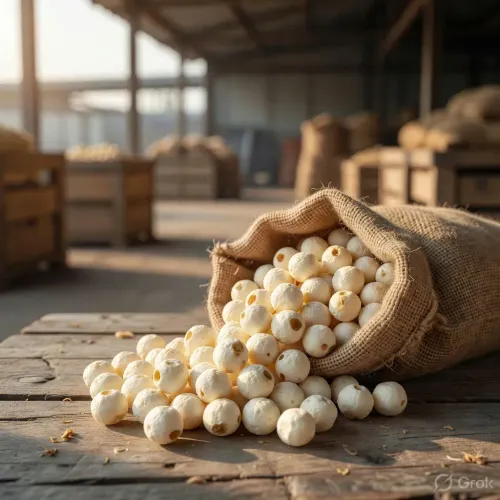
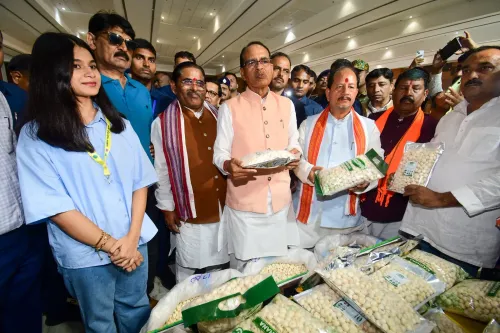
The Agricultural and Processed Food Products Export Development Authority (APEDA) has facilitated the flagging off of a 1 metric tonne (MT) consignment of popped makhana from Purnea, Bihar, destined for Greece — marking a fresh push to expand international market access for one of India's most distinctive agri-produce items, the government announced on Friday, 2 October 2026.
The shipment has been sourced by Indo Global Export, Belouri, Purnea, and is being exported through S. S Foods Exports Pvt. Ltd. It will travel from Mundra Port on India's west coast to Piraeus Port in Greece, according to the Commerce Ministry.
Higher Price Realisation for Farmers
A key outcome highlighted by officials is that the export has delivered a higher price realisation compared with prevailing domestic market selling prices. This signals that international markets — particularly in Europe — can generate meaningful additional value for makhana cultivators in Bihar, many of whom operate at subsistence level.
India is the world's largest producer of makhana, with Bihar accounting for roughly 80–85 per cent of national output. Cultivation spans more than 35,000 hectares across 10 districts in the state.
Bihar's Export Record and Agri Policy Push
Bihar Agriculture Minister Vijay Kumar Sinha noted that India exported more than 7,000 MT of makhana and value-added makhana products worth $22 million in FY 2025–26, reaching more than 20 international destinations. He added that the Bihar government is working on an Agri Export Policy designed to support farmers and improve their incomes through export promotion.
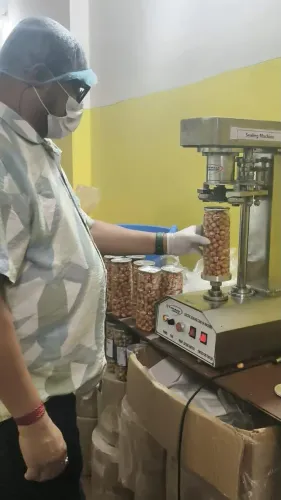
Sinha also said dedicated packhouses have been developed to strengthen the makhana export value chain, underscoring the state's intent to move beyond raw produce and capture more processing-stage value.
APEDA's Role in Market Linkages
APEDA has been instrumental in connecting Bihar's makhana producers with global buyers, with a stated focus on European destinations. The authority has been facilitating logistics, compliance, and buyer linkages to help exporters meet the regulatory and quality requirements of demanding overseas markets.
This consignment to Greece is positioned as part of a broader strategy to diversify Bihar makhana's export footprint, reduce dependence on a handful of markets, and create a more resilient income base for the farming community. Officials from the Commerce Ministry noted that expanding exports could help connect producers with rising international demand for superfoods and plant-based snacks.
What's Next for Makhana Exports
With Europe now in focus and formal policy frameworks under development at the state level, stakeholders expect export volumes to grow steadily over the coming years. The Bihar government's pending Agri Export Policy is likely to outline specific targets and support mechanisms for makhana growers. How quickly packhouse capacity scales — and whether price premiums in export markets are passed down the value chain to farmers — will determine the real-world impact of these initiatives.
Point of View
But the Purnea-to-Piraeus shipment carries a disproportionate policy signal. Bihar's makhana sector has long been a producer's market with weak price discovery; the fact that export realisation already exceeds domestic selling prices suggests structural underpricing at home. The real question is whether the gains flow to the cultivator or are absorbed by the export intermediary chain. Bihar's forthcoming Agri Export Policy will need enforceable farmgate price-linkage mechanisms — not just packhouse infrastructure — if the 7,000 MT export milestone is to translate into measurable income gains for the 35,000-hectare farming community.
NationPress
2 Oct 2026
Frequently Asked Questions
What is the APEDA makhana export from Bihar to Greece?
APEDA facilitated the export of a 1 metric tonne consignment of popped makhana from Purnea, Bihar, to Greece, with the shipment travelling from Mundra Port to Piraeus Port. It was sourced by Indo Global Export and exported through S. S Foods Exports Pvt. Ltd.
How much makhana does India export annually?
India exported more than 7,000 MT of makhana and value-added makhana products worth $22 million in FY 2025–26, reaching over 20 international destinations, according to Bihar Agriculture Minister Vijay Kumar Sinha.
Why is Bihar central to India's makhana production?
Bihar accounts for approximately 80–85 per cent of India's total makhana output, with cultivation covering more than 35,000 hectares across 10 districts. India is the world's largest producer of makhana overall.
What is Bihar's Agri Export Policy for makhana?
The Bihar government is formulating an Agri Export Policy aimed at supporting farmers and improving their incomes through export promotion. The state has also developed packhouses to strengthen the makhana export value chain, though the policy is yet to be formally released.
Why does makhana export matter for Bihar farmers?
Exporting makhana has delivered higher price realisation compared to domestic market selling prices, suggesting international demand can generate additional income for producers. Expanding exports could also diversify markets and reduce farmers' dependence on domestic price fluctuations.