APSEZ’s Colombo Terminal Achieves Milestone of Over 1 Million Containers in First Year
Synopsis
Discover how APSEZ's Colombo West International Terminal has surpassed one million TEUs in its first operational year, marking a significant leap in global trade dynamics and enhancing the Indian Ocean's role in international shipping.
Key Takeaways
Colombo West International Terminal surpassed one million TEUs in its first year.
APSEZ enhances its global footprint through strategic partnerships.
CWIT is the first fully automated deep-water terminal in Colombo.
Investment of $800 million signifies commitment to Sri Lanka's port infrastructure.
Colombo strengthens its role as a vital transshipment hub.
Ahmedabad, March 18 (NationPress) The impressive growth in the first year of operations at the Port of Colombo in Sri Lanka highlights the increasing global influence of India’s Adani Ports and Special Economic Zone Ltd (APSEZ). It emphasizes the rising significance of the Indian Ocean in global trade and its developing role in the blue economy.
In a noteworthy achievement, the Colombo West International Terminal (CWIT) has exceeded one million TEUs (Twenty-foot Equivalent Units) within its inaugural year, as per APSEZ's announcement. This accomplishment marks the fastest operational growth recorded at the Port of Colombo, positioning CWIT among a select few global facilities to achieve such a milestone in its first year.
The Colombo West International Terminal is a collaborative venture involving Adani Ports and Special Economic Zone Ltd (APSEZ), which manages nearly 45% of India’s container traffic, alongside John Keells Holdings PLC, a prominent Sri Lankan conglomerate, and the Sri Lanka Ports Authority. With an investment of approximately $800 million, it represents a significant commitment to port infrastructure in Sri Lanka in recent times.
This milestone is set against the backdrop of Colombo enhancing its role as a vital transshipment hub, effectively connecting cargo across Asia, the Middle East, and Europe. Its strategic location, near the world's primary east-west shipping route, has historically made it a favored stop for mainline vessels and feeder networks.
Typically, container terminals require several years to stabilize operations and increase throughput. The performance of CWIT reflects a strong initial alignment with shipping lines, high berth productivity, and benefits from operating within an established transshipment ecosystem. While large ports usually operate on a larger scale, their expansions have traditionally occurred in phases. Even newer automated terminals in Europe and East Asia have needed more time to achieve comparable utilization rates.
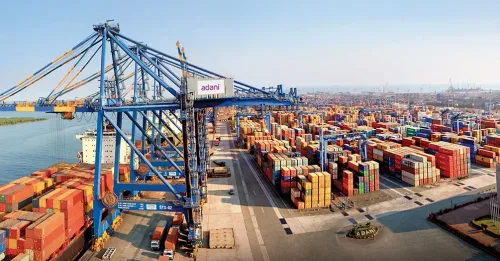
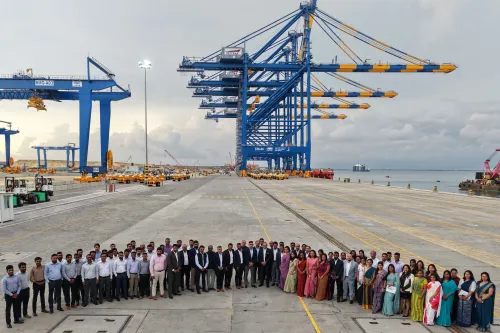
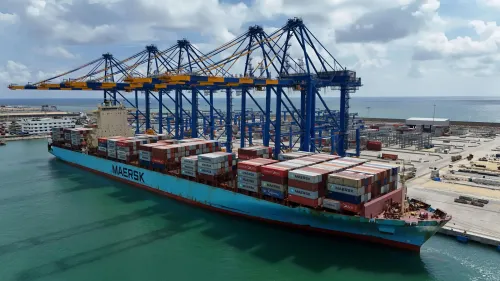
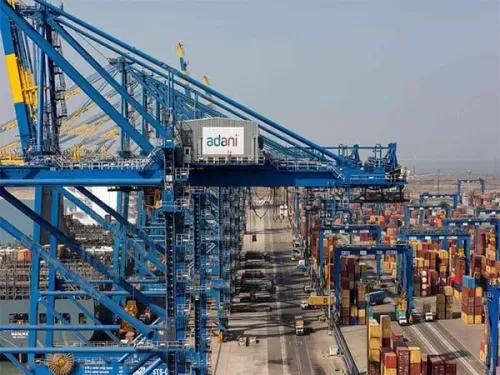
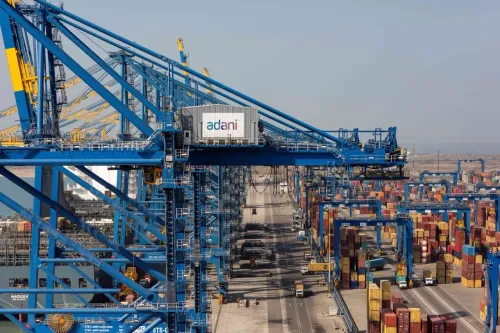
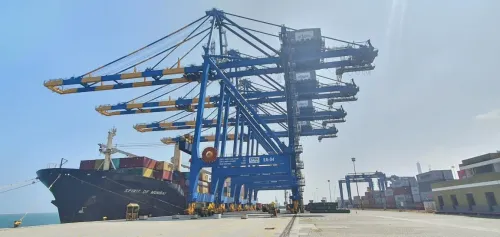
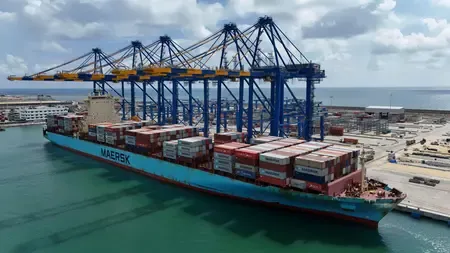
CWIT stands out as the first fully automated deep-water terminal at the Port of Colombo, designed to accommodate the latest generation of ultra-large container vessels. Its 1,400-meter quay and approximately 20-meter water depth enable it to dock some of the largest ships engaged in the Asia–Europe trade route.
With a yearly capacity of around 3.2 million TEUs, the terminal significantly enhances Colombo's cargo handling capabilities. Advanced digital systems, modern cranes, and electrified yard equipment are implemented to minimize turnaround times and boost operational efficiency.
This development aligns with global trends where ports are investing in automation and sustainable systems to elevate productivity while addressing environmental concerns.
The early success of the terminal further solidifies Colombo’s significance in international shipping networks. A considerable portion of its cargo volume remains transshipment cargo, predominantly linked to India, making efficiency and connectivity vital for continued growth.
For APSEZ, which operates a portfolio of 15 ports in India and four abroad, this project signifies a crucial step in broadening its international presence, reinforcing its status as India’s largest private port network. The collaboration with John Keells Holdings PLC and the Sri Lanka Ports Authority merges global operational proficiency with local institutional synergy.
Point of View
The rapid success of APSEZ’s Colombo terminal exemplifies a strategic advancement in India’s maritime capabilities, reinforcing the country’s position in international trade networks. The collaboration between global and local entities ensures a balanced approach to economic growth.
NationPress
13 Oct 2026
Frequently Asked Questions
What is the significance of the one million TEUs milestone?
Crossing one million TEUs in its first operational year positions the Colombo West International Terminal among a select group of global ports that have achieved such rapid growth, underscoring its strategic importance in global trade.
Who are the partners involved in the Colombo West International Terminal?
The terminal is a joint venture between Adani Ports and Special Economic Zone Ltd, John Keells Holdings PLC, and the Sri Lanka Ports Authority.
What are the future implications of this achievement for the Indian Ocean region?
The successful operation of the terminal could enhance the Indian Ocean's role in global shipping, attracting more cargo traffic and establishing Colombo as a key transshipment hub.
What features make CWIT unique?
CWIT is the first fully automated deep-water terminal in the Port of Colombo, designed for ultra-large container vessels, with advanced digital systems for improved efficiency.
How does this achievement impact APSEZ?
This milestone is a significant step for APSEZ in expanding its international footprint, reinforcing its status as India's largest private port network.