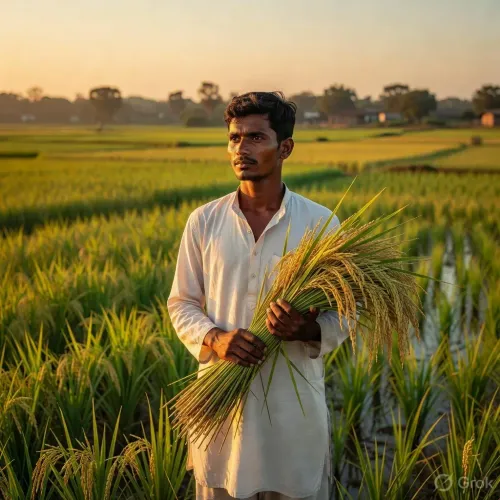
Assam allows rural youth to use agri land for business without conversion permit
Synopsis
Assam has quietly dismantled one of the most persistent barriers to rural enterprise: the requirement to obtain district-level land conversion approval before setting up a small unit on agricultural land. With automatic conversion now in force for eligible Khadi and small industrial units, Chief Minister Himanta Biswa Sarma is betting that removing a single procedural step can unlock a wave of first-generation rural entrepreneurship.
Key Takeaways
Assam CM Himanta Biswa Sarma announced the reform on 6 July , effective immediately.
Eligible rural youth can now establish small industrial and Khadi units on agricultural land without prior land conversion approval from the District Commissioner.
Automatic land conversion for qualifying units has come into force, removing a key procedural delay.
The reform benefits beneficiaries of existing state entrepreneurship and self-employment schemes .
The move is part of Assam's broader agenda to digitise services, streamline permissions, and improve its ease-of-doing-business ranking.
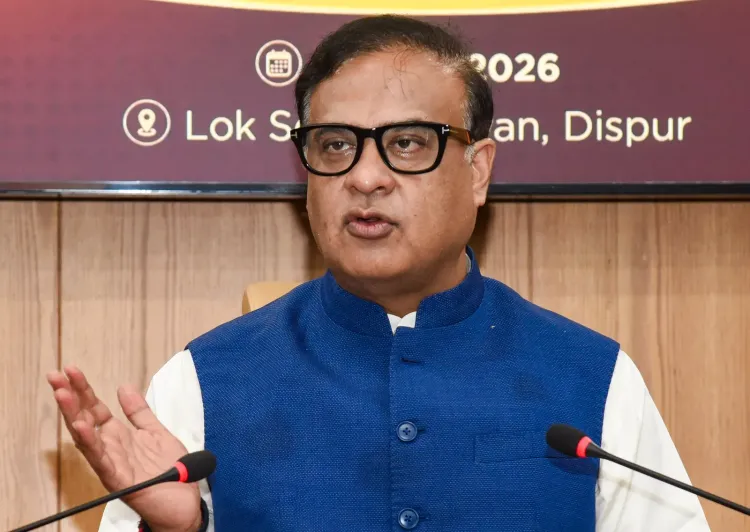
Assam Chief Minister Himanta Biswa Sarma on Monday, 6 July announced a significant ease-of-doing-business reform, permitting eligible rural youth to set up small industrial and Khadi units on agricultural land without first obtaining land conversion approval from the District Commissioner. The move removes a longstanding procedural hurdle that routinely delayed the launch of micro-enterprises in rural Assam.
What the New Rule Changes
Under the revised provision, automatic land conversion for eligible small and Khadi units has come into immediate effect. Entrepreneurs no longer need to approach district authorities for prior permission — a step that officials say had been one of the most common administrative bottlenecks for first-generation rural business owners.
The reform directly benefits beneficiaries of existing state government entrepreneurship and self-employment schemes, enabling them to quickly establish production units on land they already own, without waiting for bureaucratic clearances.
What the Chief Minister Said
Sarma announced the initiative through a post on social media, framing it as part of a wider vision for accessible entrepreneurship. 'Our vision of #EaseOfDoingBusiness is to make it simpler for people to pursue their entrepreneurial dreams,' he said. Officials confirmed the decision is now in force.
Why It Matters for Rural Assam
The reform is designed to reduce dependence on traditional agriculture among rural youth by creating a viable pathway to self-employment. The government expects the change to strengthen village-based industries, generate local employment, and promote value addition to agricultural produce through small-scale processing and manufacturing.
Notably, this is not a standalone measure. In recent years, the Assam government has digitised several government services, streamlined business permissions, and introduced administrative reforms under its broader ease-of-doing-business agenda. This latest step signals a sharper focus on the rural economy within that framework.
Broader Investment Climate Push
State officials have consistently maintained that reducing regulatory friction is essential both for attracting external investment and for creating grassroots economic opportunities. The land conversion reform is positioned as part of that dual strategy — cutting red tape at the district level while simultaneously unlocking productive use of agricultural assets held by rural families.
First-generation entrepreneurs in villages, who previously faced lengthy approval timelines, are expected to be the primary beneficiaries. The government has not yet specified a cap on unit size or detailed eligibility criteria beyond 'small and Khadi units,' details that industry observers say will be critical to the scheme's reach.
Point of View
The beneficiary pool shrinks considerably. The announcement also sidesteps the question of infrastructure — roads, power, and credit access — without which a land-use reform alone may not translate into viable enterprises. Assam's ease-of-doing-business push has generated headlines before; the test is whether district-level implementation keeps pace with state-level announcements.
NationPress
5 Oct 2026
Frequently Asked Questions
What did Assam's new ease-of-doing-business reform announce?
Assam Chief Minister Himanta Biswa Sarma announced on 6 July that eligible rural youth can now set up small industrial and Khadi units on agricultural land without obtaining prior land conversion approval from the District Commissioner. Automatic land conversion for such units has come into immediate effect.
Who benefits from the Assam agri land business permission reform?
The reform primarily benefits rural youth and first-generation entrepreneurs who own agricultural land and want to establish micro or small enterprises without navigating lengthy district-level approval processes. Beneficiaries of existing state government entrepreneurship and self-employment schemes are also directly covered.
What is the land conversion rule that has been changed?
Previously, anyone wishing to use agricultural land for a non-farm purpose — including setting up a small manufacturing or Khadi unit — had to apply to the District Commissioner for land conversion permission. Under the new rule, this conversion is automatic for eligible small and Khadi units, removing that procedural step entirely.
How does this fit into Assam's broader business reform agenda?
The land conversion waiver is part of a multi-year effort by the Assam government to improve its ease-of-doing-business environment through administrative reforms, digitisation of government services, and simplified approval mechanisms. Officials say the goal is both to attract investment and to create grassroots economic opportunities in rural areas.
What details about eligibility are still unclear?
The government has not yet publicly specified a cap on unit size or detailed eligibility criteria beyond the broad category of 'small and Khadi units.' Industry observers note that the precise definition will determine how wide the reform's actual reach is.