Bolt CEO Ryan Breslow defends axing HR department after 97% valuation crash
Synopsis
Bolt's CEO Ryan Breslow didn't just cut jobs — he scrapped the entire HR department, replacing it with a 'people operations' team. Coming after a 97% valuation crash and a 30% workforce reduction, the move is either a lean-startup masterstroke or a compliance risk waiting to surface. The startup world is watching.
Key Takeaways
Bolt CEO Ryan Breslow eliminated the company's entire HR department, replacing it with a leaner 'people operations' team.
Breslow made the remarks at Fortune's Workforce Innovation Summit , calling HR a creator of 'problems that didn't exist.' Bolt reached a peak valuation of $11 billion in 2022 before reportedly crashing to $300 million by 2024 — a 97% decline.
Breslow returned as CEO in 2025 and oversaw layoffs of nearly 30% of the workforce before axing HR.
He had previously criticised HR in a LinkedIn post, writing that it is 'the wrong energy, format, and approach.'
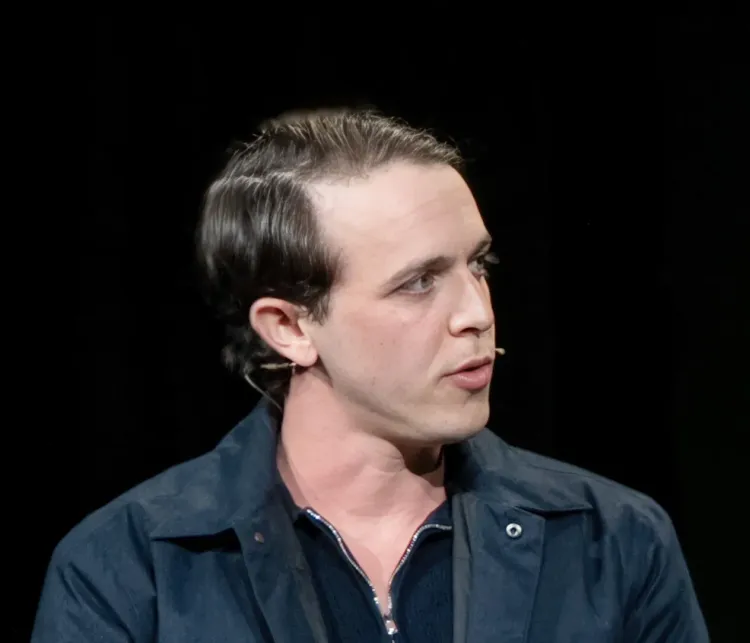
Fintech startup Bolt CEO Ryan Breslow has publicly defended his decision to dismantle the company's entire human resources department, arguing that HR teams manufacture problems rather than resolve them. The remarks, made at Fortune's Workforce Innovation Summit, signal a deliberately unconventional approach to rebuilding a company that lost nearly 97% of its peak valuation.
What Breslow Said
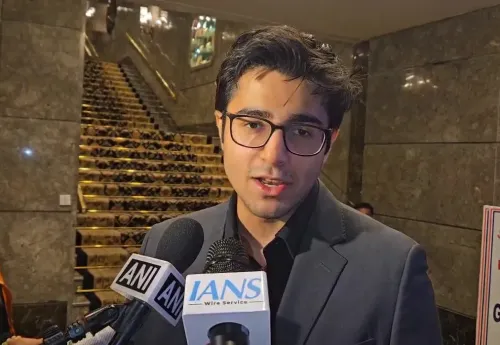
Speaking in conversation with Fortune editorial director Kristin Stoller, the 31-year-old founder was blunt. 'We had an HR team, and that HR team was creating problems that didn't exist,' Breslow said. 'Those problems disappeared when I let them go.'
He further criticised what he described as a pervasive culture of inaction within HR functions. 'We need a group of people who are very oriented around getting things done,' he said. 'There is just a culture of not getting things done and complaining a lot.'
Bolt's Dramatic Rise and Fall
Founded in 2014, Bolt rode the pandemic-era tech boom to a peak valuation of $11 billion in 2022. That same year, Breslow stepped down as CEO. By 2024, the company's valuation had reportedly collapsed to approximately $300 million — a decline of nearly 97%. Breslow returned to the helm in 2025, describing the current phase as 'wartime' and signalling a more aggressive operational posture.
The Restructuring So Far
Earlier this year, Bolt laid off nearly 30% of its workforce before eliminating its HR division entirely. In place of a conventional HR structure, the company has introduced a leaner 'people operations' team focused on employee training and support. Breslow argues that traditional HR frameworks are designed for large, stable organisations — not startups competing at speed.
'We're back in startup mode again, and those HR professionals have really important insights when you're in a peacetime and when you're at a larger company,' he acknowledged, drawing a distinction between what he sees as appropriate contexts for HR and where Bolt currently stands.
The LinkedIn Post That Preceded It
Breslow's summit remarks were not his first public salvo against conventional HR. In a LinkedIn post earlier this year, he wrote that 'HR is the wrong energy, format, and approach,' adding that people operations teams help companies 'move at lightning speed' by empowering managers and streamlining decision-making. The post drew significant attention from the startup and HR communities alike.
What This Means for the Industry
Bolt's experiment arrives at a moment when the broader tech sector is reassessing the role of HR following years of over-hiring and subsequent mass layoffs. Critics argue that eliminating HR entirely leaves employees without a formal channel for grievances, particularly in a post-layoff environment where trust is already fragile. Breslow's model will be closely watched as a test case — whether lean people operations can substitute for structured HR without creating compliance or culture risks down the line.
Point of View
But the structural risks are real. A company that just shed 30% of its staff and is rebuilding trust is precisely the environment where formal grievance channels matter most — not least. The pivot to 'people operations' may work at a 50-person startup; at a firm trying to recover credibility with investors and regulators after a 97% valuation implosion, the absence of HR could become a liability if a compliance or misconduct issue surfaces. The startup community's enthusiasm for the move should be tempered by the question Breslow has not yet answered: what happens when a problem HR would have caught goes undetected?
NationPress
6 Oct 2026
Frequently Asked Questions
Why did Bolt CEO Ryan Breslow eliminate the HR department?
Breslow argued that Bolt's HR team was generating unnecessary problems rather than solving them, and that traditional HR structures are better suited to large, stable companies than to startups operating in competitive, fast-moving environments. He made the remarks at Fortune's Workforce Innovation Summit in 2025.
What replaced Bolt's HR department?
Bolt introduced a leaner 'people operations' team focused on employee training and support functions. Breslow contends this model empowers managers and enables faster decision-making compared to a conventional HR setup.
How much did Bolt's valuation fall before Breslow's return?
Bolt's valuation reportedly fell from a peak of $11 billion in 2022 to approximately $300 million by 2024 — a decline of nearly 97%. Breslow had stepped down as CEO in 2022 and returned to lead the company in 2025.
How many employees did Bolt lay off before eliminating HR?
Earlier in 2025, Bolt laid off nearly 30% of its workforce before dismantling the HR division entirely. Breslow described the current phase at the company as 'wartime,' requiring a more aggressive operational approach.
What has Ryan Breslow said publicly about HR practices?
Beyond the Fortune summit, Breslow wrote on LinkedIn earlier this year that 'HR is the wrong energy, format, and approach,' arguing that people operations teams help companies 'move at lightning speed' by streamlining decision-making and empowering managers.