Broken rice ethanol use not fuelling inflation, govt tells Parliament
Synopsis
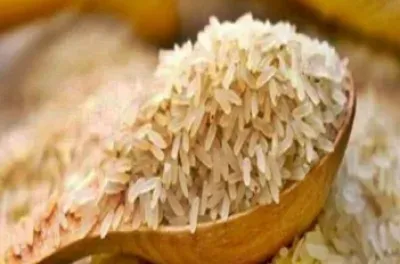
The government has pushed back on concerns that broken rice diversion for ethanol is stoking food prices, telling Parliament that welfare obligations and buffer stock norms are met before a single grain reaches biofuel plants. With maize now the dominant feedstock at 13.1 million tonnes in 2024-25 and output projected at 55 million tonnes in 2025-26, the arithmetic — for now — appears to favour both energy ambition and food security.
Key Takeaways
Minister of State for Food Nimuben Jayantibhai Bambhaniya told Lok Sabha on 29 July that broken rice ethanol use is not impacting food inflation.
Ethanol production from rice is permitted only after buffer stock norms and NFSA requirements are fully met.
In ethanol supply year 2024-25 , 13.1 million tonnes of maize was used for ethanol; surplus rice with FCI was 3.18 million tonnes .
India's maize output is projected at 55 million tonnes in 2025-26 , adequate for ethanol, feed, and other needs.
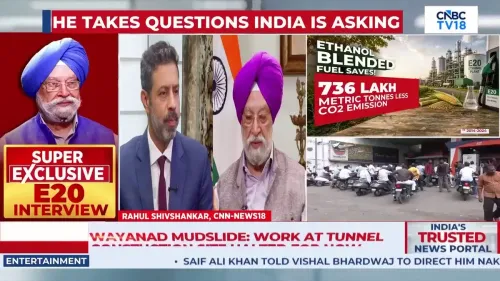
The EBP Programme has saved over ₹1.90 lakh crore in foreign exchange and cut carbon emissions by over 930 lakh metric tonnes since 2014-15.
Farmers have earned more than ₹1.6 lakh crore in additional income through the ethanol blending programme.
The diversion of surplus broken rice for ethanol production is not contributing to food inflation, the government told Parliament on Wednesday, 29 July, citing safeguards that require adequate buffer stocks to be maintained before any rice is allocated as biofuel feedstock. The assurance came in a written reply to a question in the Lok Sabha.
What the Government Said
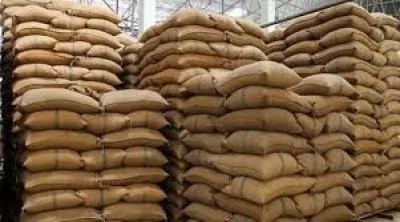
Minister of State for Food Nimuben Jayantibhai Bambhaniya clarified that ethanol production from rice is permitted only after buffer stock norms are met and the requirements of the National Food Security Act (NFSA) and other welfare schemes are fulfilled. Only the excess rice held in the Central Pool is released under the Open Market Sale Scheme and subsequently allocated as feedstock for ethanol production.
The minister also noted that the inclusion of maize as an ethanol feedstock has provided farmers growing the crop with an assured market and improved price realisation.
Maize Now the Dominant Ethanol Feedstock
India produces ethanol from rice, maize, and sugarcane, with maize now accounting for the largest share — surpassing sugarcane in recent years. In the ethanol supply year 2024-25 (which concluded in November), approximately 13.1 million tonnes of maize was used for ethanol production, while surplus rice held by the Food Corporation of India (FCI) stood at around 3.18 million tonnes.
The third advance estimates for foodgrain production in 2025-26 project India's maize output at 55 million tonnes — described as sufficient to cover ethanol production, poultry and cattle feed, and other uses. To shore up feed availability, the minister noted, the poultry feed industry is also incorporating domestically available alternatives such as rice bran, broken rice, bajra, and wheat offal.
Economic and Environmental Impact of the EBP Programme
The government earlier this month issued a factsheet underscoring the Ethanol Blended Petrol (EBP) Programme as a central pillar of India's energy transition and biofuel strategy. According to the factsheet, from 2014-15 through May 2026, the programme has generated savings of over ₹1.90 lakh crore in foreign exchange by substituting 310 lakh metric tonnes of imported crude oil.
The programme has also delivered additional earnings of more than ₹1.6 lakh crore to farmers and cut carbon emissions by over 930 lakh metric tonnes, according to the factsheet. Critics and independent analysts, however, have periodically raised questions about whether ethanol mandates create competitive pressure on food supply chains during years of below-normal harvests.
What Happens Next
With maize output projected at record levels for 2025-26, the government appears confident that feedstock availability will not strain food markets in the near term. Sustained monitoring of buffer stock levels and NFSA compliance will remain the key safeguard mechanism as India pushes toward higher ethanol blending targets in the coming years.
Point of View
Biofuel second — but that logic holds only when surpluses are large enough to absorb both demands comfortably. India's buffer stocks have periodically dipped close to minimum norms in recent years, and the margin between 'adequate' and 'excess' can narrow quickly in a bad monsoon. The pivot to maize as the primary feedstock is strategically sound, but maize output projections are advance estimates, not guaranteed harvests. Parliament deserves a more granular, real-time disclosure framework for how feedstock allocation decisions are made when stocks tighten — not just a post-facto assurance that inflation has not yet moved.
NationPress
28 Oct 2026
Frequently Asked Questions
Is broken rice diversion for ethanol causing food inflation in India?
The government says no. According to the Minister of State for Food, ethanol production using broken rice is permitted only after buffer stock requirements and NFSA welfare obligations are fully met, meaning surplus rice — not food-supply rice — is used as feedstock.
What is the Ethanol Blended Petrol (EBP) Programme?
The EBP Programme is India's policy to blend domestically produced ethanol with petrol to reduce crude oil imports and cut carbon emissions. Since 2014-15, it has saved over ₹1.90 lakh crore in foreign exchange, reduced carbon emissions by over 930 lakh metric tonnes, and generated more than ₹1.6 lakh crore in additional farmer income.
Which feedstock is used most for ethanol production in India?
Maize is now the largest ethanol feedstock in India, surpassing sugarcane in recent years. In the 2024-25 ethanol supply year, approximately 13.1 million tonnes of maize was used for ethanol production.
How much surplus rice did the FCI hold for ethanol in 2024-25?
The Food Corporation of India held approximately 3.18 million tonnes of surplus rice that was allocated as feedstock for ethanol production during the 2024-25 supply year, after buffer stock and NFSA requirements were met.
What is India's projected maize output for 2025-26?
According to the third advance estimates, India's maize production in 2025-26 is projected at 55 million tonnes — sufficient to meet demand for ethanol production, poultry and cattle feed, and other uses.