Is India's Evidence-Based Holistic Healthcare Ecosystem Set for a Boost from the Budget?
Synopsis
The Indian Union Budget has unveiled transformative measures aimed at intertwining health policy with rural development and job creation. Ayush Minister Prataprao Jadhav emphasizes the potential of these provisions to reinforce India's position as the epicenter of evidence-based holistic healthcare. Discover how this budget could reshape the future of traditional medicine in the country.
Key Takeaways
Union Budget links health policy with key economic sectors.
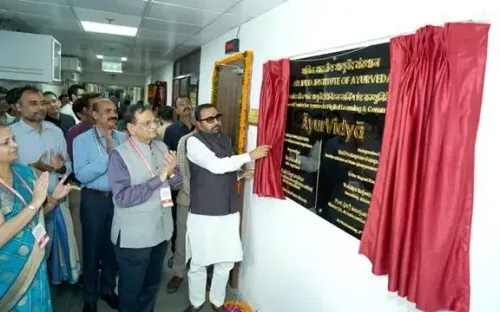
New All India Institutes of Ayurveda to enhance education.
Upgrading Ayush pharmacies and laboratories for better standards.
Integration of Ayush Centres into healthcare tourism hubs.
Focus on preventive healthcare through traditional medicine.
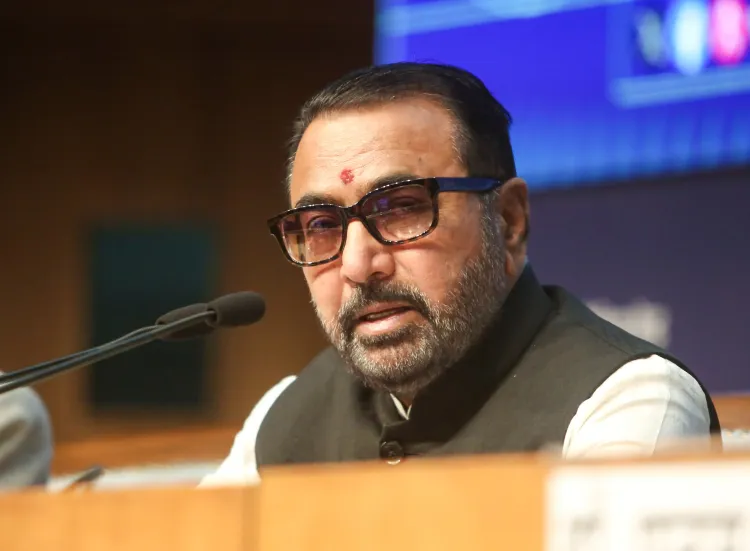
New Delhi, Feb 2 (NationPress) The announcements in the Union Budget bridge health policy with rural livelihoods, export growth, youth employment, and entrepreneurship. This move strengthens India’s ambition to be the global hub for evidence-based holistic healthcare, according to Ayush Minister Prataprao Jadhav on Monday.
Celebrating the Budget provisions that bolster the Ayush ecosystem, he remarked that these initiatives echo the government’s steadfast dedication to fostering a holistic, inclusive, and internationally competitive healthcare framework, with Ayush as a cornerstone of integrative health.
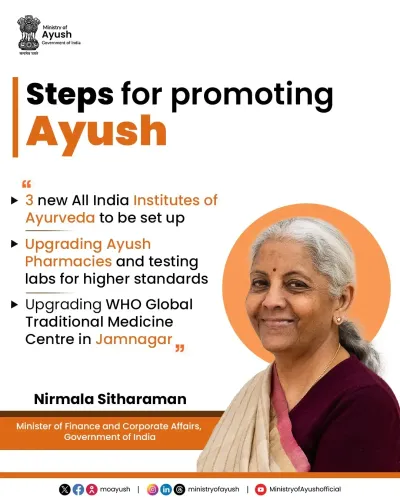
In a series of groundbreaking proposals, Finance Minister Nirmala Sitharaman introduced initiatives aimed at enhancing education, research, quality assurance, global leadership, medical value tourism, and the development of a skilled workforce in the Ayush sector.
As per Jadhav, these initiatives reinforce India’s goal to position traditional medicine as a significant contributor to preventive healthcare, economic growth, and global leadership in wellness.
A plan is underway to establish three new All India Institutes of Ayurveda (AIIAs), which will provide high-quality undergraduate and postgraduate education, advanced research, and tertiary care services.
These institutes are anticipated to raise academic standards and enhance evidence-based integrative care nationwide.
The Budget also suggests upgrading Ayush pharmacies and drug testing laboratories to comply with higher certification benchmarks.
According to the minister, this advancement will improve product quality, increase consumer confidence, and prepare for exports, while also benefiting farmers cultivating medicinal plants and MSMEs involved in processing and manufacturing.
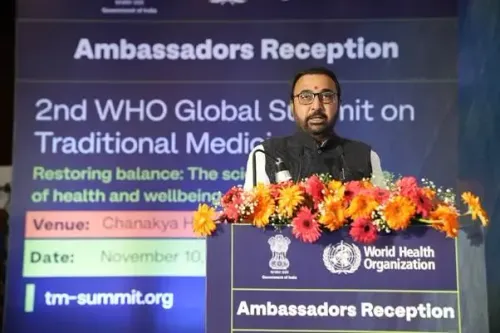
The WHO Global Traditional Medicine Centre at Jamnagar is set to be enhanced to boost research collaboration, international training, and policy discourse—establishing India as the global knowledge hub for traditional medicine.
Furthermore, Ayush Centres will be integrated into five proposed Regional Medical Value Tourism Hubs, creating comprehensive healthcare destinations that blend modern medical treatment with traditional therapies, wellness services, and rehabilitation support.
Significantly, the incorporation of yoga and wellness competencies into NSQF-aligned caregiver training programmes—aimed at 1.5 lakh caregivers in the coming year—will further mainstream Ayush-related skills within the expanding care economy, enhancing preventive and geriatric care services.
Point of View
The announcements in the Union Budget regarding the Ayush sector represent a pivotal moment for India's healthcare strategy. By linking traditional medicine with modern healthcare initiatives, the government is paving the way for a more inclusive and comprehensive health ecosystem. This approach not only promotes traditional practices but also enhances economic opportunities in rural areas, reflecting a balanced pathway to a healthier nation.
NationPress
20 Sept 2026
Frequently Asked Questions
What are the key highlights of the Union Budget regarding Ayush?
The Union Budget introduced initiatives for expanding education and research in the Ayush sector, establishing new All India Institutes of Ayurveda, upgrading pharmacies and laboratories, and integrating Ayush Centres into Regional Medical Value Tourism Hubs.
How will the new budget initiatives impact traditional medicine in India?
These initiatives aim to position traditional medicine as a key contributor to preventive healthcare and economic growth, enhancing India's global leadership in wellness.
What is the significance of the WHO Global Traditional Medicine Centre upgrade?
The upgrade will facilitate deeper research collaboration and international training, establishing India as the global knowledge hub for traditional medicine.