Central science schemes to roll out in West Bengal, INSPIRE and Vigyan Jyoti among key programmes
Synopsis
The Centre has decided to roll out its full suite of science and innovation schemes — including INSPIRE, Vigyan Jyoti, KIRAN and WISE — in West Bengal with immediate effect, while also launching a CSIR-led arsenic poisoning study and cancer drug trial research. The move signals a deliberate push to bring eastern India into India's mainstream research and innovation map.
Key Takeaways
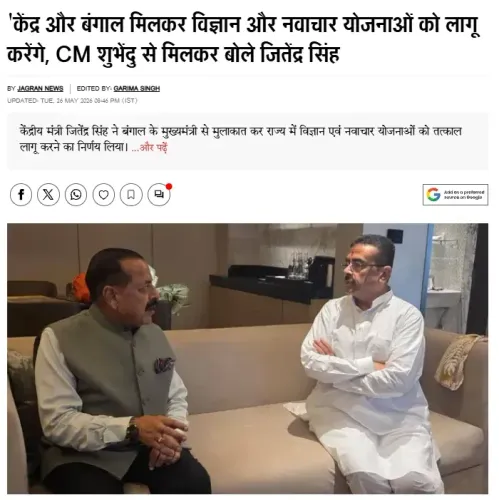
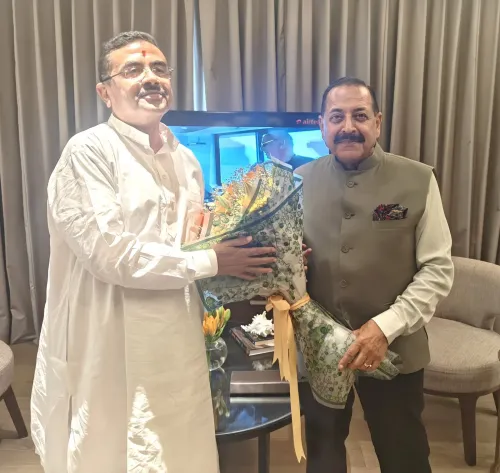
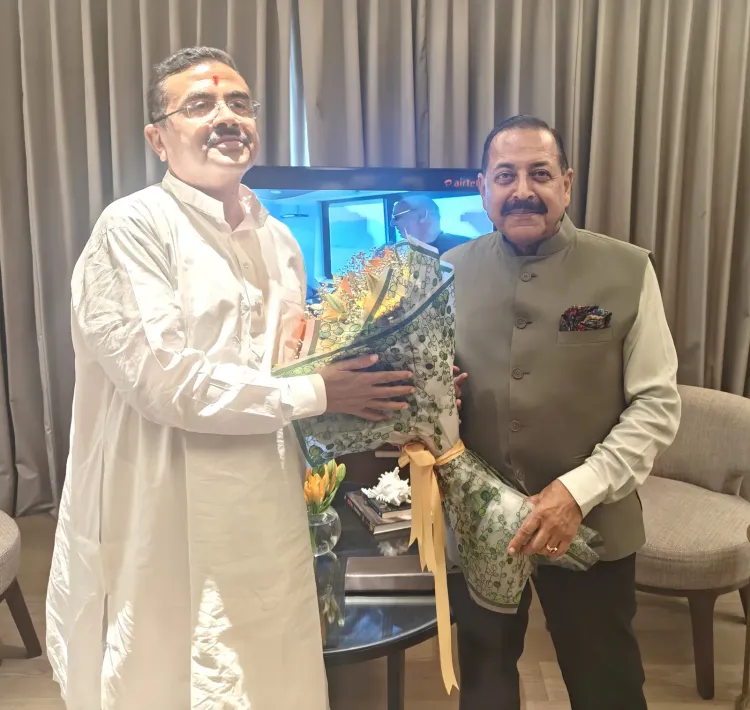
Dr Jitendra Singh met West Bengal CM Suvendu Adhikari in Kolkata on 26 May 2025 to align Central science schemes with the state.
All major Central schemes on science, research, innovation and startups to be implemented in West Bengal with immediate effect .
A dedicated CSIR study on arsenic poisoning in affected West Bengal districts to be initiated.
Collaborative research on cancer and antimicrobial therapies to begin involving medical colleges, cancer hospitals and AIIMS -linked networks.
Flagship programmes — INSPIRE , INSPIRE MANAK , Vigyan Jyoti , KIRAN , WISE — to be expanded across schools and colleges in the state.
A coordination meeting between state and Central science officials to be convened within days to finalise an implementation roadmap.
The Centre on Tuesday, 26 May announced the integration of major Central scientific and innovation schemes with educational institutions across West Bengal, in a move aimed at building a stronger pipeline for innovation, research-oriented talent and scientific learning among the state's youth.
Key Decisions from the Kolkata Meeting
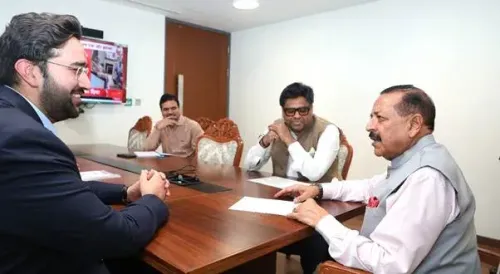
Union Minister of State (Independent Charge) for Science and Technology, Dr Jitendra Singh, held an extensive meeting with West Bengal Chief Minister Suvendu Adhikari in Kolkata. According to an official statement, it was decided that all major Central schemes related to science, research, innovation and startups would be implemented in West Bengal with immediate effect.
Two decisions of specific regional significance also emerged from the meeting. First, a dedicated study on arsenic poisoning in affected districts of West Bengal will be initiated through CSIR institutions. Second, collaborative clinical and drug trial research on cancer and antimicrobial therapies will commence, involving premier scientific institutions, government medical colleges, cancer hospitals and AIIMS-linked medical networks.
Student and Women-Centric Programmes to be Expanded
A major focus of the discussions was the rollout of student-centric and women-centric schemes of the Department of Science and Technology (DST) in schools and colleges across the state. Flagship programmes — INSPIRE, INSPIRE MANAK, Vigyan Jyoti, KIRAN, and WISE — are to be expanded and implemented in a coordinated manner to strengthen scientific temper and increase participation of students and women in science and technology.
West Bengal's Scientific Ecosystem
Dr Singh noted that West Bengal already hosts a strong scientific and academic ecosystem, with institutions under the Ministry of Science and Technology functioning across the state and contributing to advanced research. He added that the state holds enormous potential for clinical trials, scientific research, and innovation-driven collaboration involving research institutions, medical colleges and healthcare networks.
Notably, this push positions eastern India as a potential new model for science-led regional development — a framing that connects to the Centre's broader ambition of decentralising India's research and innovation geography beyond its traditional hubs in Bengaluru, Pune and Hyderabad.
Implementation Roadmap
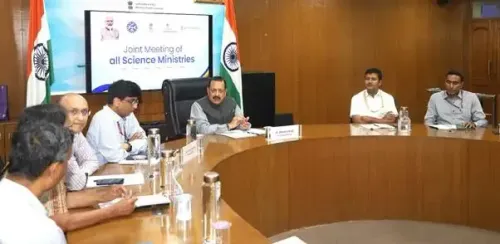
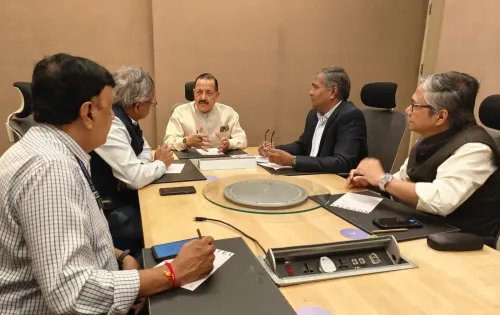
A preliminary coordination meeting involving the State Science and Technology Department and senior officials from Central scientific ministries and departments is to be convened within the next few days to prepare a detailed implementation roadmap. Dr Singh said the convergence of scientific institutions, academia, healthcare infrastructure and innovation ecosystems can create a replicable model for science-led development in the region.
Point of View
Given the scale of groundwater contamination affecting millions in districts like Murshidabad and Malda. Whether this meeting translates into funded, time-bound action or joins a long list of coordination minutes will become clear at the follow-up roadmap meeting in the coming days.
NationPress
10 Oct 2026
Frequently Asked Questions
Which Central science schemes will be rolled out in West Bengal?
Flagship programmes including INSPIRE, INSPIRE MANAK, Vigyan Jyoti, KIRAN and WISE are to be expanded across schools and colleges in West Bengal. All major Central schemes related to science, research, innovation and startups are to be implemented with immediate effect, according to an official statement.
What was decided about arsenic poisoning in West Bengal?
A dedicated study on arsenic poisoning in affected districts of West Bengal is to be initiated through CSIR institutions. This was one of two key regional decisions taken at the Kolkata meeting between Dr Jitendra Singh and Chief Minister Suvendu Adhikari on 26 May.
What cancer and medical research was announced for West Bengal?
Collaborative clinical and drug trial research on cancer and antimicrobial therapies is to commence, involving premier scientific institutions, government medical colleges, cancer hospitals and AIIMS-linked medical networks in West Bengal.
Who attended the Kolkata meeting on Central science schemes?
Union Minister of State for Science and Technology Dr Jitendra Singh held the meeting with West Bengal Chief Minister Suvendu Adhikari in Kolkata on 26 May 2025. Senior officials from Central scientific ministries are also expected to participate in a follow-up coordination meeting.
When will the implementation roadmap for West Bengal science schemes be ready?
A preliminary coordination meeting involving the State Science and Technology Department and senior Central science officials is to be convened within the next few days to prepare the implementation roadmap, according to the official statement.