South Korea inflation hits 30-month high at 3.2% in June on fuel surge
Synopsis
South Korea's inflation hit a 30-month peak in June, with fuel costs up nearly 25% and green onion prices surging 37% — a vivid snapshot of how the Middle East conflict is hitting Asian households. Despite a government fuel price cap that shaved 0.4 percentage points off the headline number, the central bank warns elevated inflation is here to stay through the second half of 2026.
Key Takeaways
South Korea's consumer price index rose 3.2 percent year-on-year in June 2026 — the highest in 30 months and the second straight month above 3 percent .
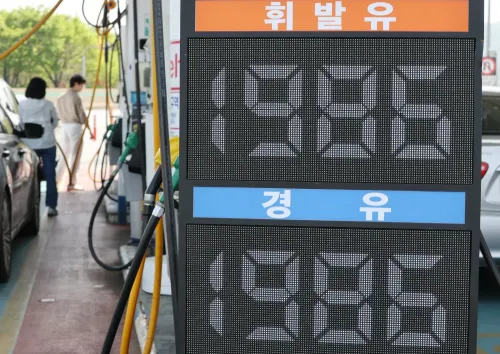
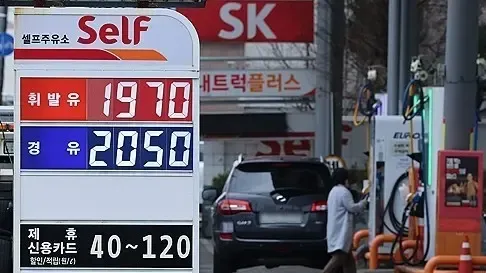
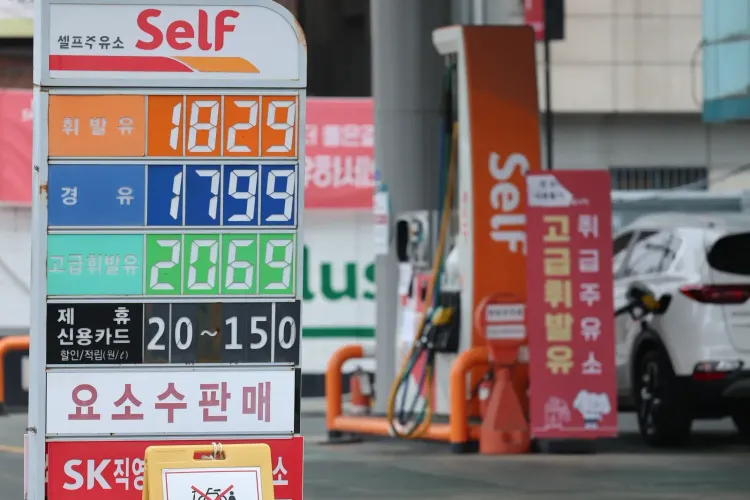
Fuel prices surged 24.7 percent , with gasoline up 23.1 percent and diesel up 33.7 percent .
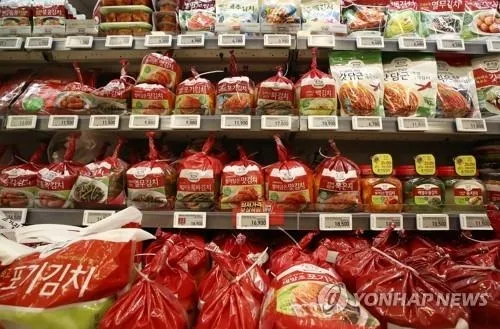
Green onion prices soared 37.1 percent due to reduced cultivation area and heat-wave damage; rice rose 11.7 percent .
The government's fuel price cap system limited headline inflation to 3.2 percent ; without it, prices would have risen to 3.6 percent , officials said.
Core inflation stood at 2.5 percent , suggesting demand-side pressures remain more contained than the headline figure implies.
First Vice Finance Minister Lee Hyoung-il set a target of keeping inflation near 3 percent in the second half of 2026 .
South Korea's consumer price index rose 3.2 percent year-on-year in June 2026, marking the sharpest inflation reading since December 2023 and the second consecutive month above the 3 percent threshold, according to data released by the Ministry of Data and Statistics on Thursday, 2 July. The persistent price pressure reflects the lingering impact of the Middle East conflict on global supply chains and energy costs.
Fuel Prices Drive the Surge
Industrial product prices climbed 4.4 percent, with fuel costs emerging as the single largest driver. Fuel prices surged 24.7 percent, contributing 0.93 percentage point to the overall consumer price increase — the steepest rise since 35.2 percent recorded in July 2022. Gasoline prices jumped 23.1 percent, while diesel prices soared 33.7 percent. South Korea's heavy dependence on energy imports makes it particularly vulnerable to global oil price shocks driven by geopolitical disruptions.
Food Prices Add to Household Burden
Agricultural and fishery product prices rose 3.2 percent, with domestic beef up 7.5 percent and rice climbing 11.7 percent. Most strikingly, green onions — a staple of Korean cuisine — surged 37.1 percent. Lee Doo-won, Director-General for Economic Statistics at the Ministry of Data and Statistics, attributed the spike to a reduction in cultivation area compounded by heat-wave damage. 'The cultivation area for green onions has decreased, while their growth has been hindered by the heat wave, leading to a significant increase in prices,' he said at a press briefing. International flight ticket prices also shot up 28.2 percent, reflecting elevated post-pandemic travel demand and higher aviation fuel costs.
Government Measures and Their Limits
The Ministry of Finance and Economy said its fuel price cap system, introduced in March 2026, helped contain headline inflation at 3.2 percent — noting the figure would have reached 3.6 percent without the intervention. The government also announced discount events at local retail stores in July and August and plans to import additional eggs to ease food price pressures. Officials said cash handouts targeting households hit by fuel costs are unlikely to add significant upward pressure on inflation, as the subsidies are expected to be spent on necessities and food, with stockpiled reserves released in parallel.
Central Bank Outlook and Currency Risk
Deputy Governor Lee Ji-ho of the central bank said at an inflation review meeting that consumer prices 'expanded further from May as petroleum product prices remained elevated and the increase in agricultural product prices accelerated.' He projected that 'inflation is likely to remain elevated for the time being as downward pressure from lower crude oil prices will be offset by demand-side pressure stemming from economic growth,' and flagged that the cost-of-living burden on vulnerable groups remains high. A finance ministry official noted that recent Korean won volatility had not yet fed through to consumer prices but cautioned that such effects could emerge in the second half of 2026. First Vice Finance Minister Lee Hyoung-il underlined the government's goal of keeping inflation around 3 percent through the remainder of the year. Core inflation — which strips out volatile food and energy prices — stood at 2.5 percent year-on-year in June, suggesting underlying demand-side pressures remain contained even as headline figures climb.
Point of View
The government's retail discount events and egg imports look like tactical measures against a structural problem.
NationPress
2 Jul 2026
Frequently Asked Questions
Why did South Korea's inflation rise to a 30-month high in June 2026?
South Korea's consumer prices rose 3.2 percent year-on-year in June 2026, the highest since December 2023, driven primarily by a 24.7 percent surge in fuel prices linked to the ongoing Middle East conflict's impact on global supply chains and oil markets. Agricultural prices, including a 37.1 percent spike in green onion costs, added further pressure.
What is South Korea's government doing to control inflation?
The government introduced a fuel price cap system in March 2026, which officials say contained inflation at 3.2 percent — down from an estimated 3.6 percent without the measure. Additional steps include retail discount events in July and August and importing extra eggs to ease food price pressures.
What is core inflation in South Korea and why does it matter?
Core inflation, which excludes volatile food and energy prices, stood at 2.5 percent year-on-year in June 2026. It is a cleaner signal of underlying demand-side price pressures and suggests that, while headline inflation is elevated, the broader economy is not yet experiencing runaway price growth.
How are fuel prices affecting South Korean households?
Fuel prices rose 24.7 percent year-on-year in June 2026, with gasoline up 23.1 percent and diesel up 33.7 percent — the steepest fuel price growth since July 2022. South Korea relies heavily on energy imports, making its households and businesses particularly exposed to global oil price swings driven by geopolitical events.
What is the South Korean central bank's inflation outlook?
Deputy Governor Lee Ji-ho said inflation is projected to remain elevated in the near term, as any downward pressure from lower crude oil prices will be offset by demand-side growth. The central bank expects some easing in July compared to June, citing government anti-inflation efforts, but flagged that the cost-of-living burden on vulnerable groups remains high.