DGCA bans MOBIKINS MK-PB-04 powerbank on India flights after IndiGo fire
Synopsis
A single powerbank model — the MOBIKINS MK-PB-04 — has been banned from all Indian flights after it caused a fire on an IndiGo Delhi-Chennai service, forcing a diversion to Hyderabad. It is one of the first model-specific powerbank prohibitions by India's aviation regulator, and a reminder of how quickly a consumer gadget can become an airborne safety crisis.
Key Takeaways
The DGCA has banned the MOBIKINS MK-PB-04 powerbank from all flights to, from, and within India .
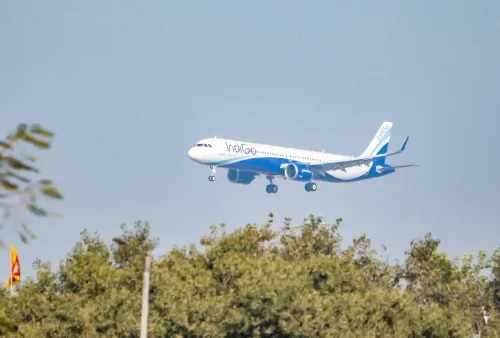
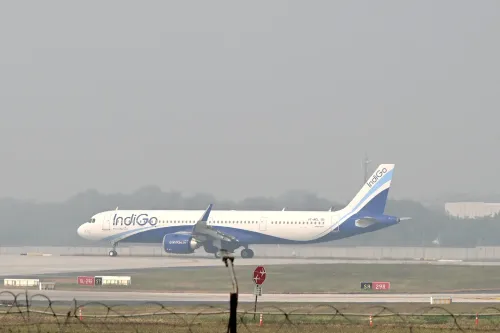
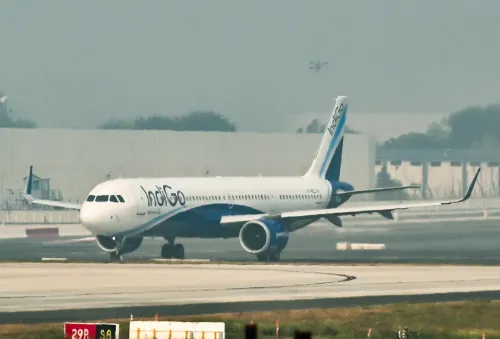
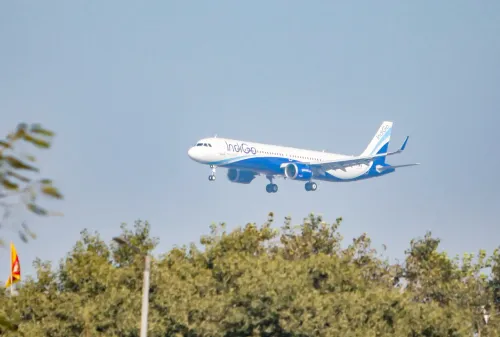
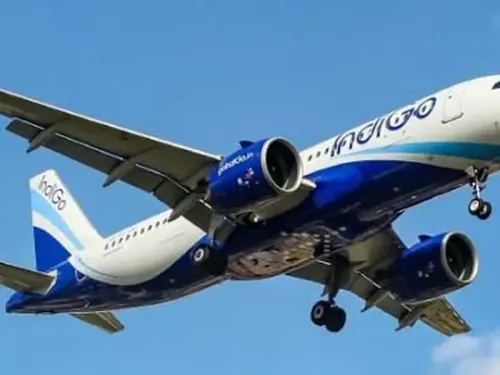
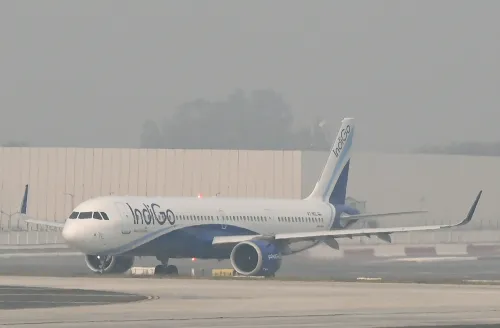
An IndiGo flight from Delhi to Chennai was diverted to Hyderabad on Sunday after a fire linked to the device.
DGCA chief Vir Vikram Yadav directed airlines to prevent the model from being carried by passengers or transported as cargo.
The ban is model-specific and does not cover all powerbanks; passengers should check their device's model number before flying.
Under existing DGCA rules, powerbanks must be kept in hand baggage only and cannot be used to charge devices during flights.
The Directorate General of Civil Aviation (DGCA) has banned passengers and airlines from carrying or transporting the MOBIKINS MK-PB-04 powerbank on all flights operating to, from, and within India, following a fire incident involving the device aboard an IndiGo aircraft on Sunday, 12 October 2025. The aviation regulator's directive marks one of the first model-specific powerbank prohibitions issued by Indian aviation authorities.
What Triggered the Ban
An IndiGo flight travelling from Delhi to Chennai was diverted to Hyderabad on Sunday after a fire broke out linked to the MOBIKINS MK-PB-04 powerbank aboard the aircraft. The incident prompted immediate regulatory action. DGCA chief Vir Vikram Yadav directed all airlines to ensure that the specific model is neither carried by passengers nor transported as cargo on any flight.
Scope of the Directive
The restriction applies exclusively to the MOBIKINS MK-PB-04 model and does not constitute a blanket ban on all powerbanks. Airlines have been instructed to identify the affected device, prevent it from being brought on board, and communicate the safety advisory to passengers through appropriate channels. Passengers who own this model have been told not to carry it on flights operating within or to and from India.
Existing Safety Rules on Powerbanks
The ban comes amid a broader tightening of safety norms governing lithium-ion batteries. Under the DGCA's existing dangerous goods guidelines, powerbanks and spare batteries are permitted only in hand baggage and cannot be stored in overhead compartments. The regulator has also barred passengers from using powerbanks to charge phones or other devices during flights, including through aircraft seat power outlets. Airlines are required to train cabin crew to respond to battery-related incidents and report any lithium battery fires or malfunctions to the regulator.
Why Lithium-Ion Fires Are Especially Dangerous in the Air
Lithium-ion batteries can pose a fire risk if damaged, defective, overcharged, or improperly handled. Such incidents are considered particularly hazardous on aircraft, where smoke can spread rapidly and access to the affected device may be limited. Passengers are required to immediately notify cabin crew if an electronic device overheats, emits smoke, or releases an unusual odour during a flight.
What Passengers Should Do
Travellers have been advised to verify the model number of their portable batteries before flying and comply with airline guidelines. Airlines must educate passengers about the rules and ensure cabin crew are equipped to handle emergencies involving lithium batteries. The DGCA is expected to continue monitoring powerbank-related incidents as portable battery use on flights rises.
Point of View
Not from a product recall or pre-market audit. India's aviation safety framework has no mandatory pre-clearance mechanism for consumer electronics carried on board, meaning dangerous devices enter the cabin until an incident forces a response. With hundreds of powerbank models flooding the market and minimal quality enforcement at retail, a model-specific ban is a narrow fix for a systemic gap. The regulator's broader rules on lithium batteries — hand baggage only, no in-flight charging — are sound in principle but poorly communicated to passengers; compliance remains patchy. Until the DGCA builds a proactive screening regime, model-by-model bans will keep arriving after the smoke does.
NationPress
14 Oct 2026
Frequently Asked Questions
Which powerbank has been banned by the DGCA?
The DGCA has banned the MOBIKINS MK-PB-04 powerbank from all flights operating to, from, and within India. The ban is model-specific and does not apply to other powerbank brands or models.
Why was the MOBIKINS MK-PB-04 powerbank banned?
The ban followed a fire incident involving the device aboard an IndiGo flight travelling from Delhi to Chennai, which forced the aircraft to divert to Hyderabad. The DGCA acted to prevent a recurrence on other flights.
Can passengers still carry other powerbanks on flights?
Yes. The DGCA's ban applies only to the MOBIKINS MK-PB-04 model. Other powerbanks may still be carried, but only in hand baggage — they are not permitted in overhead compartments or checked-in luggage, and cannot be used to charge devices during the flight.
What should passengers do if they own the banned powerbank?
Passengers who own the MOBIKINS MK-PB-04 have been told not to carry it on any flight operating within or to and from India. Travellers are advised to check their device's model number before heading to the airport.
What are the general DGCA rules for lithium-ion batteries on flights?
Under DGCA dangerous goods guidelines, powerbanks and spare lithium-ion batteries must be carried in hand baggage only, cannot be stored in overhead compartments, and may not be used to charge phones or other devices during a flight. Passengers must alert cabin crew immediately if any device overheats, emits smoke, or gives off an unusual odour.