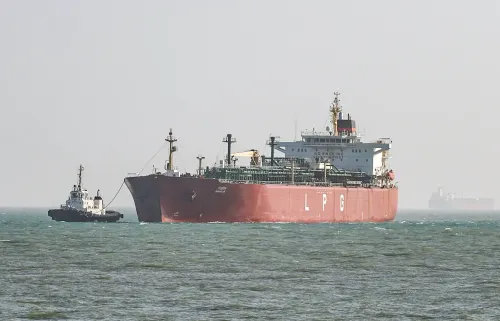
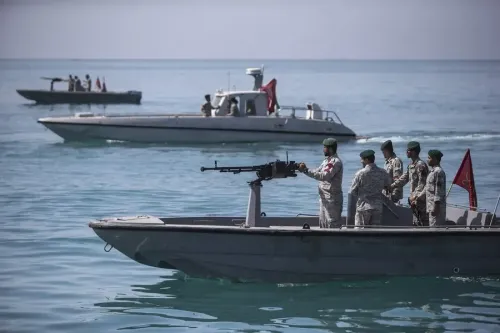
DGMA bars Indian seafarers from Strait of Hormuz amid Gulf tensions
Synopsis
India's maritime regulator has imposed an open-ended ban on deploying Indian seafarers through the Strait of Hormuz — one of the world's most critical oil chokepoints — after a series of attacks on named merchant vessels and a sharp US-Iran military escalation. With Iran threatening to curb regional energy exports, the order could ripple through global shipping rosters and insurance markets.
Key Takeaways
The DGMA on 16 July barred ship owners, managers, and RPSL companies from deploying Indian seafarers on vessels transiting the Strait of Hormuz until further notice.
Recent attacks on merchant vessels — including Mombasa B , Al Bahyah , GFS Galaxy , MT WEDYAN , and AL REKAYYAT — triggered the directive.
Masters operating in the Persian Gulf and adjoining waters must heighten security vigilance and strictly follow ISPS Code protocols.
Emergency contact channels designated: DG Communication Centre (MMDAC) and the Indian Navy's IFC-IOR .
The advisory follows reported US strikes on Iranian military installations and Iran's threat to curb regional energy exports.
India is one of the world's largest maritime crew suppliers, making the ban significant for global shipping operations.
India's Directorate General of Maritime Administration (DGMA) on 16 July issued an urgent directive barring ship owners, ship managers, and Recruitment and Placement Service Licence (RPSL) companies from deploying Indian seafarers on vessels transiting the Strait of Hormuz until further notice, citing a sharply deteriorating security environment in the Gulf region. The order reflects growing alarm over escalating attacks on merchant shipping in one of the world's most critical maritime chokepoints.
What the DGMA Directive Covers
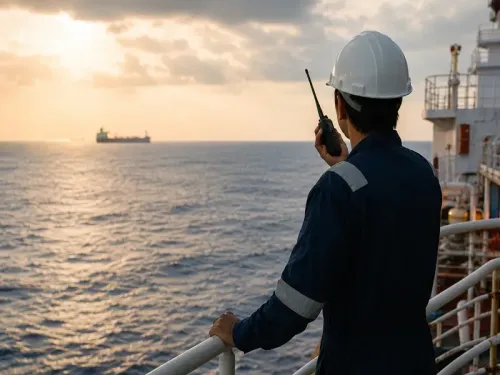
The advisory, posted by the maritime regulator on social media platform X, prohibits the deployment of Indian crew on any vessel undertaking a voyage involving passage through the Strait of Hormuz, the Persian Gulf, or adjoining waters. Masters of ships already operating in the region have been instructed to maintain heightened security vigilance, continuously monitor navigational warnings and security advisories, and strictly implement Ship Security Plans and all applicable measures under the International Ship and Port Facility Security (ISPS) Code.
For emergency assistance, the DGMA directed seafarers and vessels to immediately contact the DG Communication Centre (MMDAC) or the Indian Navy's Information Fusion Centre – Indian Ocean Region (IFC-IOR).
Recent Attacks That Prompted the Order
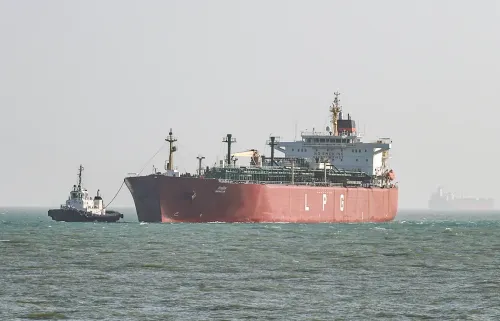
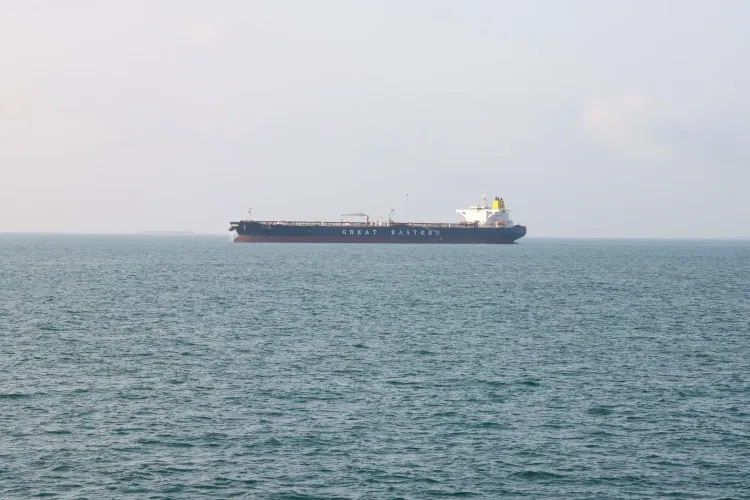
The directive follows a string of attacks on merchant vessels operating in the conflict-affected area. The DGMA specifically cited incidents involving Mombasa B, Al Bahyah, GFS Galaxy, MT WEDYAN, and AL REKAYYAT as evidence of the significantly elevated risk to commercial shipping and the seafarers aboard.
This is not an isolated advisory — India has issued prior caution notices to its maritime community as tensions in the region have periodically flared. However, an outright deployment ban of this nature signals a step-change in the assessed threat level.
The Broader Regional Context
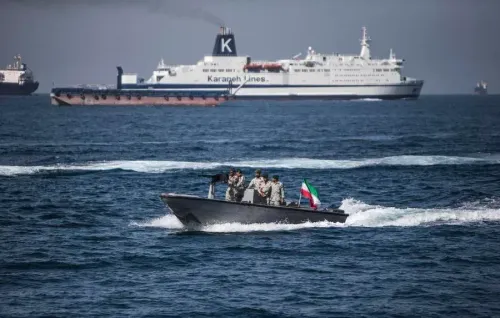
The advisory comes amid a sharp escalation in Middle East tensions following reported US strikes on Iranian coastal defence and missile facilities on Wednesday, after the United States reportedly reimposed a naval blockade on Iranian ports. The strikes stoked fears of a wider regional conflict and potential disruptions to shipping through the Strait of Hormuz — a waterway through which an estimated one-fifth of global oil supply passes.
In response, Iran threatened to curb further regional energy exports, describing the situation as an existential confrontation with the US. Such rhetoric has historically unsettled commodity markets and shipping insurance rates alike.
What the DGMA Said
The regulator stated it 'continues to closely monitor the evolving security situation in the Gulf region and remains committed to safeguarding the safety, security and welfare of Indian seafarers.' The phrase 'until further orders' signals that the ban is open-ended and will be reviewed as the situation develops.
Impact on Indian Seafarers and Shipping Industry
India is one of the world's largest suppliers of maritime crew, with tens of thousands of Indian seafarers serving on vessels globally. A deployment restriction through the Strait of Hormuz — a key route for tankers and bulk carriers — is expected to create crew scheduling and contractual complications for Indian manning agencies and international ship operators alike. RPSL companies will need to urgently review existing deployment rosters and notify affected seafarers pending further guidance from the DGMA.
The situation remains fluid, and further advisories are expected as the security picture in the Gulf evolves.
Point of View
But prohibiting new deployments entirely puts Indian manning agencies in a legally and operationally difficult position, given long-term crew contracts with international operators. What the directive does not address is the status of Indian seafarers already at sea on vessels in the region — a gap that will need urgent clarification. More broadly, if US-Iran tensions sustain, India faces a structural dilemma: it cannot indefinitely restrict its largest export of skilled labour from one of the world's busiest shipping lanes without serious economic consequence.
NationPress
16 Jul 2026
Frequently Asked Questions
What has the DGMA directed regarding Indian seafarers and the Strait of Hormuz?
The DGMA has directed ship owners, ship managers, and RPSL companies not to deploy Indian seafarers on any vessel transiting the Strait of Hormuz until further orders. The ban also covers the Persian Gulf and adjoining waters, and was issued on 16 July citing heightened security risks from ongoing attacks on merchant vessels.
Which vessels were attacked that prompted this advisory?
The DGMA cited attacks on five merchant vessels — Mombasa B, Al Bahyah, GFS Galaxy, MT WEDYAN, and AL REKAYYAT — as evidence of significantly elevated risk to commercial shipping and crew in the region.
Why is the Strait of Hormuz considered so critical?
The Strait of Hormuz is one of the world's most important maritime chokepoints, through which an estimated one-fifth of global oil supply transits. Any disruption to shipping there has immediate implications for energy markets and global trade.
What should Indian seafarers or vessels in the region do in an emergency?
The DGMA has instructed seafarers and vessels to immediately contact the DG Communication Centre (MMDAC) or the Indian Navy's Information Fusion Centre – Indian Ocean Region (IFC-IOR) for emergency assistance.
How does the US-Iran escalation connect to this advisory?
The advisory follows reported US strikes on Iranian coastal defence and missile facilities and the reimposition of a naval blockade on Iranian ports. Iran has threatened to curb regional energy exports in response, raising fears of a wider conflict that could further endanger merchant shipping through the Strait of Hormuz.