Iran's new Strait of Hormuz rules: ships need permits, 48-hr registration
Synopsis
Iran has created a brand-new authority — the Persian Gulf Strait Authority — and imposed a 48-hour pre-registration, permit, and insurance regime on every ship entering the Strait of Hormuz. Even as the waterway reopens under a US-Iran deal, Tehran is asserting unprecedented bureaucratic control over a chokepoint that carries one-fifth of the world's oil and LNG — a move that could reshape shipping costs and insurance rates globally.
Key Takeaways
Iran introduced new Strait of Hormuz transit regulations on 19 June , requiring advance registration, permits, and insurance.
The rules are enforced by Iran's newly created Persian Gulf Strait Authority (PGSA) , established under the Islamabad Memorandum of Understanding between Washington and Tehran .
Ship operators must submit transit requests at least 48 hours before arriving at the strait.
Vessels must follow designated shipping corridors to avoid areas with potential mine hazards from the recent conflict.
The strait carries nearly one-fifth of global oil and LNG trade, making compliance costs a potential market-moving factor.
Non-compliance liability rests entirely with vessel owners, according to the PGSA.
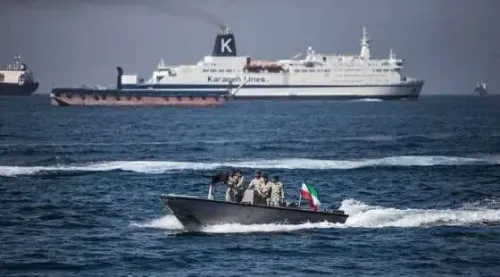
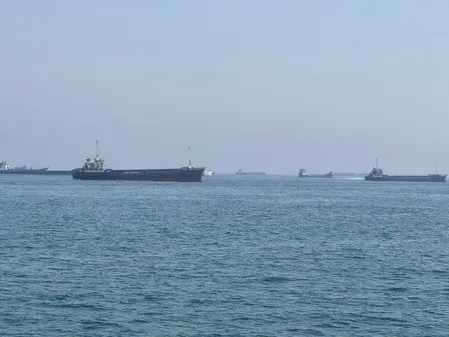
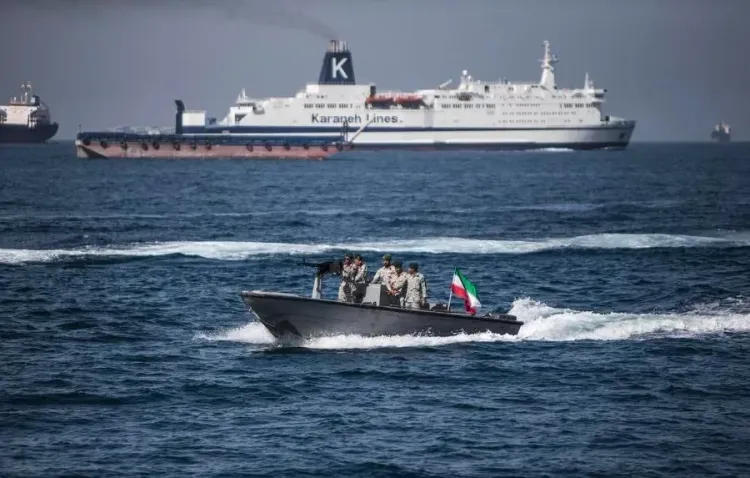
Iran on Friday, 19 June introduced sweeping new regulations for commercial vessels transiting the Strait of Hormuz, mandating advance registration, permits, and insurance before ships may enter one of the world's most strategically vital energy corridors. The move comes despite the waterway's recent reopening under a US-Iran agreement, raising fresh questions about the smoothness of commercial passage through a route that carries nearly one-fifth of global oil and liquefied natural gas trade.
The New Authority and Its Mandate
The regulations were announced by Iran's newly established Persian Gulf Strait Authority (PGSA), set up as part of the framework negotiated between Washington and Tehran to restore commercial shipping after more than three months of conflict. The PGSA said the measures are designed to ensure the safe movement of vessels through the strait, citing residual hazards — including mines — that may remain from the period of hostilities.
In a statement posted on X, the authority announced: 'In light of the signing of the Islamabad Memorandum of Understanding and the issuance of instructions by the relevant authorities, applicants for passage through the Strait of Hormuz are hereby informed that, during the announced time period, passage will be granted to vessels that submit their passage requests in compliance with the necessary requirements.'
Key Requirements for Ship Operators
Under the revised procedures, ship owners and operators must submit transit requests at least 48 hours before arriving at the strait. All required vessel information must be provided in advance to avoid delays at entry and exit points, the PGSA said. Ships must also secure both permits and insurance before being permitted to transit.
Additionally, vessels are required to follow designated shipping corridors established by Iranian authorities to steer clear of areas where mines or other hazards may still be present. The authority warned that any failure to comply with the new requirements would be the sole responsibility of vessel owners.
Why This Matters for Global Energy Markets
The Strait of Hormuz is the world's single most important oil chokepoint, with roughly 20% of globally traded crude oil and LNG passing through its narrow waters daily. Even minor disruptions — or added bureaucratic friction — can ripple across global energy prices. The introduction of a formal permit and registration regime, while framed as a safety measure, adds a new layer of Iranian oversight over a passage that international maritime law has long held open for transit.
Notably, this is the first time Iran has established a dedicated authority specifically to regulate Hormuz transit, a structural shift that could have lasting implications for shipping insurance premiums and route planning by major tanker operators.
What Happens Next
The PGSA has directed applicants to submit passage requests through its official portal at PGSA.ir. Industry bodies and major shipping operators are expected to assess compliance timelines, while insurers will likely reprice war-risk and transit-risk coverage for the corridor. How swiftly the new framework is operationalised — and whether the US-Iran agreement holds against these added conditions — will be closely watched by energy markets and maritime regulators alike.
Point of View
Combined with designated corridors, gives Tehran real-time visibility into every vessel entering the strait — a significant intelligence and leverage gain. Whether the US-Iran framework explicitly anticipated this level of Iranian oversight is unclear, and that ambiguity is precisely where the next friction point will emerge.
NationPress
19 Sept 2026
Frequently Asked Questions
What are Iran's new Strait of Hormuz regulations?
Iran now requires all commercial vessels to register at least 48 hours in advance, obtain permits, and secure insurance before transiting the Strait of Hormuz. The rules are administered by the newly created Persian Gulf Strait Authority (PGSA) and take effect under the Islamabad Memorandum of Understanding between the US and Iran.
What is the Persian Gulf Strait Authority (PGSA)?
The PGSA is a new Iranian regulatory body established to oversee commercial shipping through the Strait of Hormuz. It was created as part of the framework agreed between Washington and Tehran following more than three months of conflict that had disrupted the waterway.
Why does the Strait of Hormuz matter for global energy?
The Strait of Hormuz handles nearly one-fifth of the world's oil and liquefied natural gas trade, making it the single most critical energy shipping chokepoint on the planet. Any added friction or disruption to transit directly affects global energy supply and prices.
What happens if a ship does not comply with the new rules?
The PGSA has warned that any failure to meet the new requirements — including advance registration, permits, insurance, and use of designated corridors — will be the sole responsibility of the vessel's owner. Ships that do not comply may be denied passage.
How does this fit into the broader US-Iran agreement?
The Strait of Hormuz was reopened to commercial shipping under a US-Iran agreement after a prolonged conflict closure. The PGSA and its new permit regime were established as part of that framework, though the extent to which the US endorsed this level of Iranian oversight over transit remains unclear.