Iran's PGSA warns violating ships face Hormuz Strait bans, fines
Synopsis
Iran is converting its grip on the Strait of Hormuz into a formal enforcement and revenue system — warning ships of fines, detention, or confiscation for protocol breaches, while parliament moves to charge fees for navigation and safety services. With Trump calling the strait 'American territory' and nuclear talks stalled, the world's most critical oil chokepoint is becoming a structured geopolitical battleground.
Key Takeaways
Iran's Persian Gulf Strait Authority (PGSA) announced on 24 August that vessels violating transit protocols in the Strait of Hormuz will face fines, detention, or confiscation .
The PGSA urged cargo owners to check its 'Non-Compliant Vessels' list before chartering ships.
Iran's parliament committee approved an article authorising fees for navigation, environmental, refuelling, insurance, and safety services in the strait.
US President Donald Trump claimed the Strait of Hormuz is 'American territory' at a rally in Myrtle Beach, South Carolina , without legal elaboration.
Iran barred safe passage to Israeli- and US-affiliated vessels since 28 February following strikes on Iranian territory.
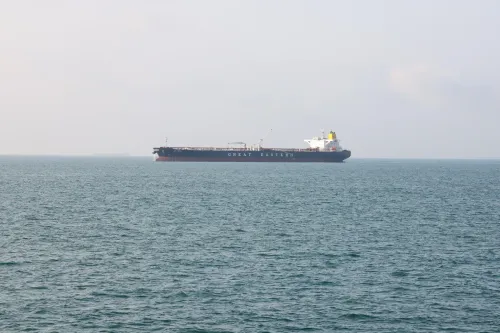
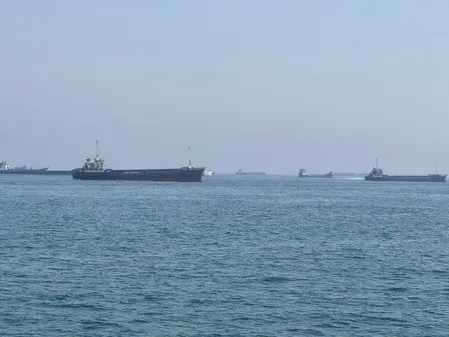
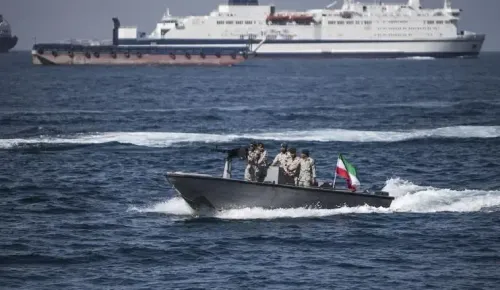
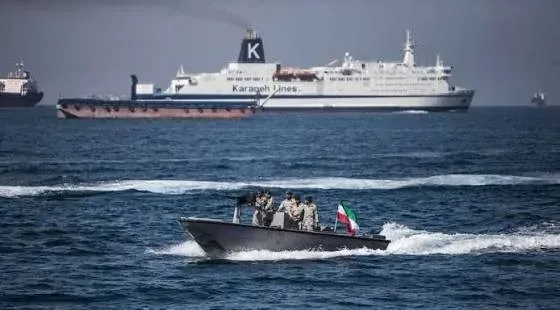
Iran's Persian Gulf Strait Authority (PGSA), the body overseeing maritime traffic in the Strait of Hormuz, announced on Sunday, 24 August that vessels breaching Iranian transit protocols will face restrictions on future passages through the strategically critical waterway. The announcement adds a formal enforcement layer to Tehran's tightening grip on one of the world's most vital oil shipping corridors.
What the PGSA Announced
The authority issued the warning in a post on social media platform X, detailing that non-compliant vessels could face penalties including fines, detention, or confiscation. The PGSA also urged cargo owners shipping to and from the Persian Gulf to consult its published list of 'Non-Compliant Vessels' on its official website before chartering ships, in order to avoid potential disruptions.
Iran's Parliament Moves to Charge Strait Fees
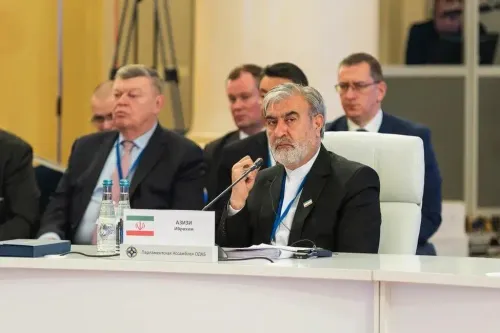
Hassan Qashqavi, spokesman of the Iranian parliament's national security and foreign policy committee, confirmed on Sunday that the committee had approved an article within a draft plan aimed at securing the strait. According to reports citing the semi-official Fars news agency, the article — cleared during the committee's Sunday session — authorises Iran to levy fees for services it provides in the waterway. These include charges for navigation, environmental services, refuelling under special conditions, insurance, and safety services.
Notably, this legislative move follows Iran's February crackdown and signals a shift from informal pressure to codified commercial and punitive mechanisms in the strait.
Trump's Claim: 'It's American Territory'
The developments come amid sharp rhetoric from US President Donald Trump, who recently described the Strait of Hormuz as 'American territory' — a claim with no established basis in international maritime law. Trump made the remarks at a campaign rally in Myrtle Beach, South Carolina, where he was drumming up support for Republican Senate candidate Darlene Graham ahead of Tuesday's runoff election.
'They wanna make a deal so badly,' Trump said while discussing Iran, before declaring the waterway American. He did not elaborate on any legal or territorial justification for the assertion. Trump also suggested that the standoff with Iran had diverted attention from his domestic economic agenda, saying: 'I hate to do this, but we're gonna have to take a little detour down to the Islamic Republic of Iran, and we're gonna have to put out the nuclear weapons stuff because they're gonna have a nuclear weapon and we cannot let them have a nuclear weapon.'
Background: How the Strait Became a Flashpoint
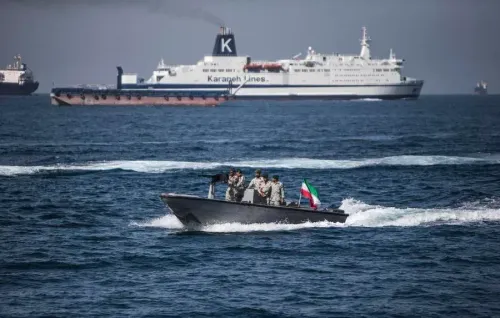
Iran's escalating posture in the Strait of Hormuz dates formally to 28 February, when Tehran barred safe passage to vessels belonging to or affiliated with Israel and the United States, following what Iran described as joint strikes on Iranian territory. The strait handles roughly 20% of global oil trade, making any disruption to its traffic a matter of international economic concern.
Sunday's PGSA announcement and the parliamentary fee-charging article together represent a further institutionalisation of Iran's leverage over the chokepoint — moving beyond ad hoc seizures toward a structured regulatory and revenue framework.
What Comes Next
The draft plan containing the fee-charging article still requires full parliamentary approval before it takes legal effect. Shipping industry observers will be watching whether the 'Non-Compliant Vessels' list expands and whether any major flag states formally contest Iran's protocols. With US-Iran nuclear talks in an uncertain state and Trump's rhetoric intensifying, the Strait of Hormuz is likely to remain a focal point of geopolitical tension in the weeks ahead.
Point of View
Complete with a non-compliant vessels registry, formalised fee schedules, and parliamentary backing. This is a deliberate shift from crisis-driven interdiction to institutionalised leverage. Trump's legally baseless 'American territory' claim, made at a domestic campaign rally, hands Tehran a propaganda gift without providing any actionable counter-pressure. The real risk is that shipping insurers and flag states quietly begin treating Iranian protocols as a de facto regulatory regime — normalising Tehran's unilateral control over a corridor that handles a fifth of global oil trade.
NationPress
8 Oct 2026
Frequently Asked Questions
What did Iran's PGSA announce about the Strait of Hormuz?
Iran's Persian Gulf Strait Authority (PGSA) announced on 24 August that ships violating Iranian transit protocols in the Strait of Hormuz will face restrictions including fines, detention, or confiscation on future passages. The authority also directed cargo owners to check its Non-Compliant Vessels list before chartering ships.
What fees is Iran's parliament planning to charge for the Strait of Hormuz?
Iran's parliamentary national security and foreign policy committee approved an article allowing Tehran to levy charges for navigation, environmental services, refuelling under special conditions, insurance, and safety services provided in the Strait of Hormuz. The broader draft plan still requires full parliamentary approval.
Why did Trump call the Strait of Hormuz 'American territory'?
US President Donald Trump made the claim at a campaign rally in Myrtle Beach, South Carolina, while discussing Iran and nuclear weapons. He offered no legal or territorial basis for the assertion, and the strait is internationally recognised as a waterway governed by the UN Convention on the Law of the Sea.
When did Iran start restricting Israeli and US-affiliated ships in the Strait?
Iran barred safe passage to vessels belonging to or affiliated with Israel and the United States from 28 February, following what Tehran described as joint strikes on Iranian territory.
Why does the Strait of Hormuz matter globally?
The Strait of Hormuz is one of the world's most critical oil shipping chokepoints, handling roughly 20% of global oil trade. Any sustained disruption to traffic through the strait has direct consequences for global energy prices and supply chains.