Fed Chair Warsh: 'Inflation is a choice', rate held at 3.5–3.75%
Synopsis
New Fed Chair Kevin Warsh used his first Senate testimony to draw a sharp line: 'inflation is a choice,' and it won't be his. With rates held at 3.5–3.75% and five internal task forces launched after 63 months of above-target inflation, Warsh is signalling a credibility reset — and markets are watching every word.
Key Takeaways
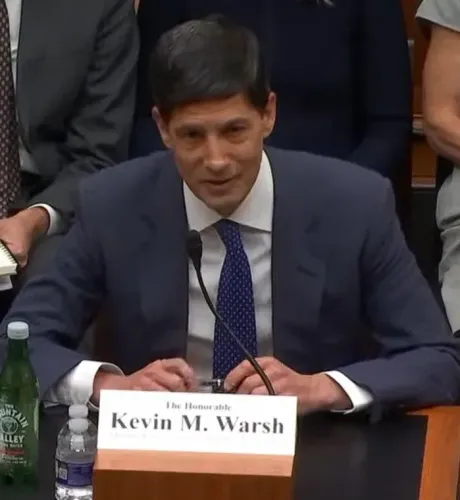
Fed Chair Kevin Warsh told the Senate Banking Committee on Wednesday that 'inflation is a choice' and pledged it would not persist under his leadership.
The FOMC held the federal funds rate at 3.5–3.75 per cent at its most recent meeting.
Warsh cited 63 months of above-target inflation as the backdrop for five newly established internal task forces covering communications, balance sheet, data, productivity, and the inflation framework.
AI infrastructure investment was identified as the US economy's strongest growth driver; the housing sector continues to lag.
Democratic senators, including Senator Chris Van Hollen , argued supply shocks and tariffs share blame for elevated prices — Warsh maintained the Fed bears ultimate responsibility for price stability.
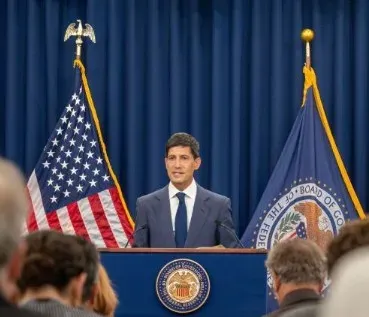
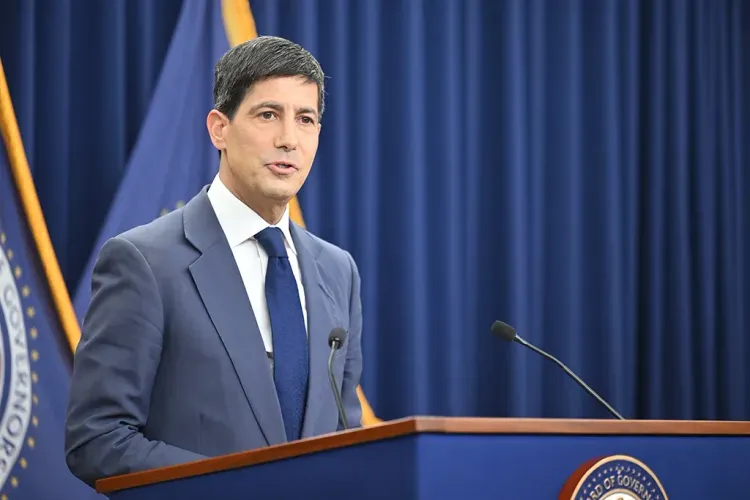
Federal Reserve Chairman Kevin Warsh told the Senate Banking Committee on Wednesday that 'inflation is a choice' and gave a firm pledge that persistently high price growth would not continue under his leadership — marking his first semiannual monetary policy testimony since taking office seven weeks ago. Warsh signalled that restoring price stability remains the US central bank's overriding priority, even as uncertainty persists over artificial intelligence, geopolitical tensions, and other economic headwinds.
Rate Decision and Warsh's Core Pledge
The Federal Open Market Committee (FOMC) left the federal funds rate unchanged at 3.5 to 3.75 per cent at its most recent meeting, Warsh confirmed. Addressing lawmakers directly, he said: 'The members of our committee have no tolerance for persistently elevated inflation, and we share a resolute commitment to restore price stability.' He added that if the Fed 'gets policy right — and we will — the inflation surge of the last five years will be a thing of the past.'
State of the US Economy
Warsh described the broader US economy as resilient. Economic activity is expanding at a solid pace, household consumption remains moderate, and manufacturing output has strengthened in 2025. Business investment — particularly in artificial intelligence infrastructure — has emerged as the economy's strongest driver, he noted. The housing sector, however, continues to lag behind other segments.
On Inflation Triggers and the Fed's Responsibility
Warsh acknowledged that individual price shocks — including those linked to energy markets and global conflicts — can temporarily push up costs. However, he stressed that the Fed's responsibility is to prevent such increases from becoming broad-based inflation. 'Our job,' he said, is to ensure that inflation does not become entrenched over the medium term, arguing that while policymakers cannot control individual commodity prices, they can stop higher prices from spreading across the economy.
When Senator John Kennedy pressed him on whether inflation would become permanent, Warsh replied: 'It's not going to be permanent under my watch, Senator.'
Five Task Forces and Internal Reviews
Warsh announced that the Federal Reserve has established five task forces to review communications, balance sheet policy, economic data, productivity and jobs, and the inflation framework. The reviews, he said, are intended to improve policymaking after what he described as 63 months of inflation above the Fed's target — a period spanning more than five years. The Fed also flagged both interest rate policy and its balance sheet as active monetary policy tools under review.
Political Pushback and Broader Context
Several Democratic senators pushed back, arguing that inflation has been driven in part by supply-side shocks rather than monetary policy failures. Senator Chris Van Hollen cited the conflict involving Iran and tariff policies as contributing factors. Warsh maintained that such developments can influence individual prices but do not diminish the central bank's responsibility for overall price stability. This comes amid a broader global debate over how much of the post-pandemic inflation wave was demand-driven versus supply-driven — a distinction with significant political implications as the Fed's credibility remains under scrutiny. Financial markets worldwide closely track Fed decisions, since shifts in US interest rates ripple through global borrowing costs, capital flows, and currency valuations.
Point of View
He raises the stakes for any future overshoot on his watch. The five task forces are prudent housekeeping, but the real test is whether the FOMC acts decisively if AI-driven investment demand or renewed tariff pressure reignites price pressures. Holding rates steady while launching internal reviews risks reading as caution dressed up as reform.
NationPress
16 Jul 2026
Frequently Asked Questions
What did Fed Chair Kevin Warsh mean by 'inflation is a choice'?
Warsh used the phrase to assert that persistently high inflation is not an unavoidable outcome but a failure of central bank resolve. He told the Senate Banking Committee that the Fed has 'no tolerance for persistently elevated inflation' and committed to restoring price stability as the institution's top priority.
What is the current US federal funds rate?
The Federal Open Market Committee held the federal funds rate unchanged at 3.5 to 3.75 per cent at its most recent meeting, Warsh confirmed during his Senate testimony on Wednesday.
What are the five task forces the Federal Reserve has set up?
The Fed has established five internal task forces to review its communications strategy, balance sheet policy, economic data processes, productivity and jobs analysis, and its overall inflation framework. Warsh said the reviews aim to improve policymaking after more than 63 months of above-target inflation.
Why did Democratic senators push back on Warsh's testimony?
Several Democratic senators argued that inflation was partly driven by supply-side factors — including higher energy prices and tariff policies — rather than monetary policy failures alone. Senator Chris Van Hollen specifically cited the conflict involving Iran and tariffs as contributors. Warsh acknowledged these can affect individual prices but maintained the Fed is ultimately responsible for overall price stability.
How does the Fed's rate decision affect global markets?
Changes in US interest rates influence global borrowing costs, capital flows, and currency movements, making Fed policy a closely watched indicator for financial markets worldwide. A prolonged hold at elevated rates can tighten liquidity globally, affecting emerging market economies including India.