E20 petrol in Karnataka: OMCs record 19.9% ethanol, reject over-blending claims
Synopsis
India's state-owned oil companies are pushing back — hard. After allegations that Karnataka pumps were blending petrol with up to 31% ethanol, BPCL and HPCL have released test data showing 19.9% and 19.3% averages respectively, well within the prescribed 19–21% E20 band. With 893 samples from 27 states all compliant, the government says the October claims lacked credible methodology.
Key Takeaways
BPCL recorded 19.9% ethanol in a customer-witnessed E20 petrol test in Karnataka on 9 November 2026 .
HPCL reported an average ethanol content of 19.3% across 56 samples tested by OMCs in Karnataka.
The government rejected earlier claims of 26–31% ethanol blending , citing non-compliance with prescribed testing methodology.
All 893 E20 samples from 27 states and Union Territories under a nationwide quality exercise were within the 19–21% prescribed range.
E20 petrol from IOCL , BPCL , and HPCL complies with IS 17021 , the Bureau of Indian Standards ethanol-blend specification.
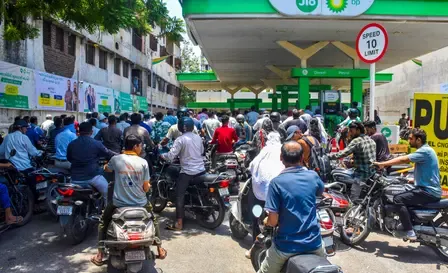
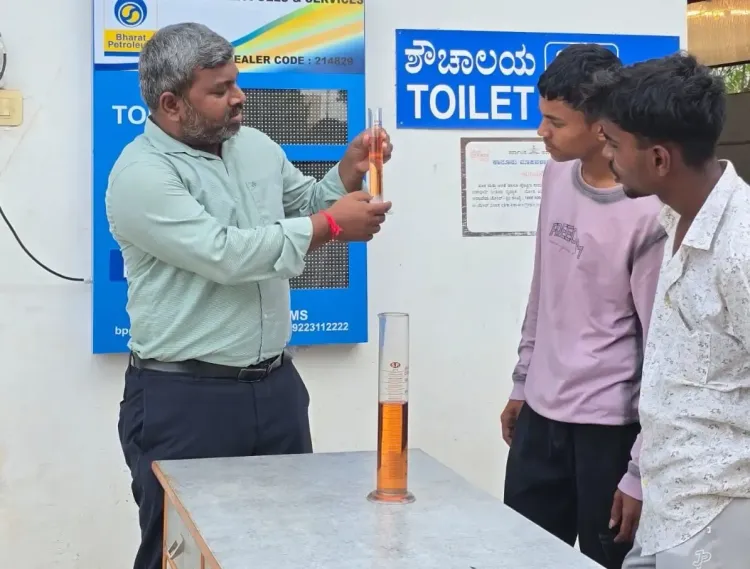
State-owned oil marketing companies (OMCs) — Bharat Petroleum Corporation Ltd (BPCL), Hindustan Petroleum Corporation Ltd (HPCL), and Indian Oil Corporation Ltd (IOCL) — on Monday, 9 November 2026, reaffirmed the quality of E20 petrol sold across Karnataka, pushing back against allegations of excessive ethanol blending at retail outlets in the state. Tests conducted in the presence of customers recorded an ethanol content of 19.9 per cent in a petrol sample — within the prescribed regulatory range.
What the OMC Tests Found
BPCL cited a customer-witnessed test that recorded 19.9 per cent ethanol in a petrol sample, stating it reaffirmed the company's commitment to transparent testing and fuel quality assurance. 'Facts verified, confidence reinforced,' the company said in a post on X.
HPCL pointed to findings from 56 samples tested by public sector OMCs across Karnataka, reporting an average ethanol content of 19.3 per cent. 'When claims make headlines, facts deserve the final word,' HPCL said in its own post on X. The company also emphasised that reliable results depend not only on the figures recorded but on the scientific methodology and certified reference materials used during testing.
Government's Earlier Rejection of Over-Blending Claims
The latest OMC statements follow the government's rejection, earlier this month, of allegations that certain retail outlets in Karnataka had supplied petrol with ethanol content well above the prescribed limit. The ministry stated that all 56 samples tested in the state under a nationwide quality monitoring exercise complied with E20 specifications, recording ethanol content between 19 per cent and 20 per cent.
The ministry also questioned the sampling and testing methodology used during an October exercise in Karnataka, noting that reported claims of 26–31 per cent ethanol blending were not supported by tests carried out under prescribed statutory and technical procedures. It further noted that the OMCs were not provided with corresponding retention samples, outlet-wise details, or laboratory reports from that exercise, despite formally seeking them through the State Level Coordinator.
National Compliance Picture
According to the ministry, E20 petrol supplied by IOCL, BPCL, and HPCL across the country — including Karnataka — conforms to IS 17021, the Bureau of Indian Standards specification for ethanol-blended motor gasoline. The ministry added that all 893 E20 samples collected from 27 states and Union Territories under the nationwide quality monitoring exercise were found to contain ethanol within the prescribed 19–21 per cent range.
The applicable regulatory framework is the Motor Spirit and High Speed Diesel (Regulation of Supply, Distribution and Prevention of Malpractices) Order, 2005, read with the Marketing Discipline Guidelines 2024, which prescribes a defined process for sampling, retention, testing, and communication of results.
Background and What It Means for Consumers
India's E20 programme — blending petrol with up to 20 per cent ethanol — is a central pillar of the government's energy transition and farm-income strategy, aiming to reduce fossil fuel imports and boost demand for domestically produced sugarcane and grain-based ethanol. Allegations of over-blending, if substantiated, could affect vehicle engine performance and consumer trust in the programme. The OMCs' coordinated response signals an effort to defend both the policy and their operational credibility.
With the government and OMCs now presenting a unified data-backed rebuttal, attention will likely shift to whether the October test data from Karnataka is independently verified or formally contested through regulatory channels.
Point of View
Under what conditions, and with what reference materials. Until the October Karnataka data is independently audited or formally adjudicated under the Motor Spirit Order, neither side has a definitive verdict. India's E20 programme is too strategically significant — touching energy security, sugar-sector income, and climate targets — for this controversy to be settled by press statements alone. A transparent, third-party audit of both datasets would serve consumers far better than duelling social media posts.
NationPress
9 Nov 2026
Frequently Asked Questions
What is E20 petrol and what is the prescribed ethanol content?
E20 petrol is motor gasoline blended with up to 20% ethanol, governed by IS 17021, the Bureau of Indian Standards specification. The prescribed ethanol content range under India's regulations is 19–21%, and all 893 nationwide samples tested in the latest quality monitoring exercise fell within this band.
What were the allegations of over-blending in Karnataka?
An October exercise in Karnataka reportedly recorded ethanol content of 26–31% in certain petrol samples, well above the E20 ceiling. The government and OMCs have rejected these findings, saying they were not supported by tests conducted under prescribed statutory and technical procedures, and that retention samples and lab reports were not shared with OMCs despite requests.
What do the latest BPCL and HPCL test results show?
BPCL recorded 19.9% ethanol in a customer-witnessed petrol test in Karnataka, while HPCL reported an average of 19.3% across 56 samples tested by public sector OMCs in the state — both within the prescribed 19–21% range. The OMCs say these results reaffirm E20 fuel quality and transparent testing.
How many states have been covered under the nationwide E20 quality check?
The nationwide quality monitoring exercise covered 27 states and Union Territories, with 893 E20 samples collected and tested. All samples were found to contain ethanol within the prescribed 19–21% range, according to the government.
What happens next in the Karnataka E20 controversy?
With the government and OMCs presenting a unified rebuttal, attention is likely to turn to whether the October Karnataka test data is independently verified or contested through formal regulatory channels under the Motor Spirit and High Speed Diesel Order, 2005. No independent audit has been announced so far.