eSaras platform extends digital commerce reach to 8.99 crore SHG members
Synopsis
As Digital India turns 11, the government's eSaras platform has quietly built one of the world's largest women-led digital commerce ecosystems — connecting 8.99 crore SHG members to national buyers through ONDC, BHASHINI, and integrated logistics. The real test is whether marketplace access translates into measurable income gains for rural households.
Key Takeaways
The eSaras platform now serves more than 8.99 crore registered SHG members , according to an official statement on 11 July .
The platform lists over 1,400 products across handicrafts, handloom, dairy, herbal goods, and millet-based food items.
More than 800 buyers access SHG products through ONDC -enabled apps; products are live on over 11 buyer applications .
Over 50 SARAS Melas are held annually to complement digital sales with physical outreach.
Training covers branding, digital marketing, financial literacy, and inventory management to help women run online businesses independently.
The platform integrates ONDC , UMANG , BHASHINI , LokOS , digital payments, and logistics partners.
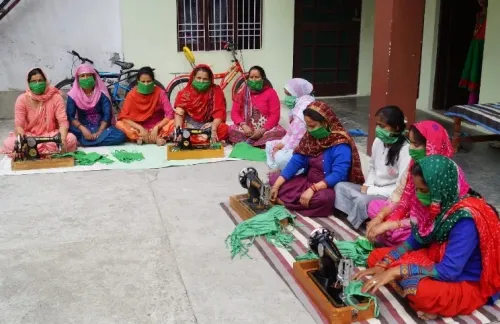
The government's eSaras platform is now providing digital market access to more than 8.99 crore registered Self-Help Group (SHG) members across India, enabling rural producers, women entrepreneurs, and Farmer Producer Organisations (FPOs) to sell their goods through a trusted national online marketplace, according to an official statement released on Saturday, 11 July. The milestone coincides with the completion of 11 years of the Digital India programme.
Platform Background and Governance
eSaras was developed by the Digital India Corporation (DIC) under the Ministry of Electronics and Information Technology (MeitY), in collaboration with the Ministry of Rural Development (MoRD). It operates under the Deendayal Antyodaya Yojana–National Rural Livelihoods Mission (DAY-NRLM), a flagship scheme targeting rural poverty reduction through women-led self-help networks.
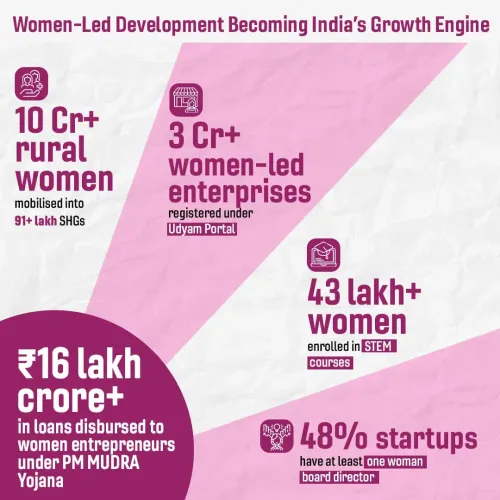
According to the government, the programme's combined membership of 8.99 crore SHG members constitutes one of the world's largest women-led livelihood ecosystems.
Key Features and Scale
The platform currently lists over 1,400 products, spanning handicrafts, handloom textiles, processed food, honey, dairy items, herbal products, home décor, and millet-based food. More than 800 buyers access SHG products through Open Network for Digital Commerce (ONDC)-enabled buyer applications, and SHG products are available across more than 11 buyer applications integrated with ONDC.
Over 50 SARAS Melas are organised annually, providing physical exhibition and sales touchpoints that complement the digital channel. The platform supports digital onboarding, online product catalogues, inventory management, secure digital payments, integrated logistics, and multilingual access powered by BHASHINI — the government's AI-driven language translation initiative.
Capacity Building for Women Entrepreneurs
Beyond marketplace access, eSaras invests in equipping SHG members with skills to manage online businesses independently. Training covers digital onboarding, branding, packaging, product photography, digital marketing, inventory management, customer service, and financial literacy.
This skilling component is significant: rural women who can manage digital storefronts are better positioned to negotiate supply chains, price products competitively, and reduce dependence on intermediaries — a structural shift that directly improves household income.
Technology Integrations
eSaras integrates with ONDC, UMANG, digital payment systems, and logistics partners. Seller verification is handled through LokOS, while multilingual support via BHASHINI aims to lower language barriers for rural users across states. The combination is designed to make the platform more secure, accessible, and inclusive for first-time digital sellers.
Broader Impact
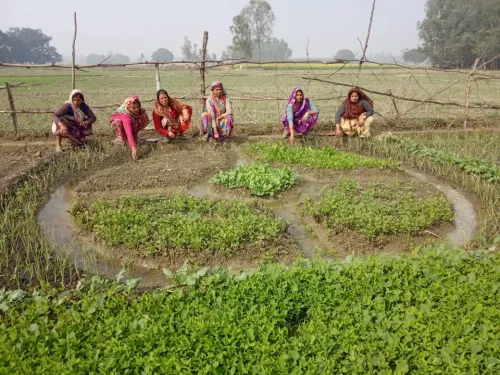
The platform supports income diversification beyond agriculture by enabling rural households to market value-added products nationally. This is particularly relevant given that agricultural income remains volatile and seasonal for a large share of India's rural population.
As Digital India enters its second decade, eSaras represents a convergence of multiple government digital public infrastructure layers — ONDC, BHASHINI, UMANG, and DAY-NRLM — into a single rural commerce interface. How effectively that integration translates into sustained income gains for SHG members will be the platform's real measure of success going forward.
Point of View
But scale alone does not equal impact. The critical question is how many of those members are active sellers generating meaningful income — a number the government has not disclosed. ONDC integration is a genuine structural advantage, reducing dependence on any single private marketplace, but rural digital commerce still faces last-mile logistics gaps and low digital literacy that no platform can fully resolve through training alone. eSaras is the right architecture; the execution fidelity over the next three to five years will determine whether it becomes a livelihood transformer or a well-designed underutilised asset.
NationPress
10 Oct 2026
Frequently Asked Questions
What is the eSaras platform?
eSaras is a government-backed online marketplace developed by the Digital India Corporation under MeitY, in collaboration with the Ministry of Rural Development. It enables SHG members, rural producers, women entrepreneurs, and FPOs to sell products nationally through ONDC-integrated buyer applications.
How many SHG members does eSaras cover?
The platform covers more than 8.99 crore registered Self-Help Group members, which the government describes as one of the world's largest women-led livelihood ecosystems.
What products are available on eSaras?
eSaras lists over 1,400 products including handicrafts, handloom textiles, processed food, honey, dairy products, herbal items, home décor, and millet-based food, helping rural households diversify income beyond agriculture.
How does eSaras connect to buyers?
The platform integrates with the Open Network for Digital Commerce (ONDC), making SHG products accessible through more than 11 buyer applications and to over 800 buyers. It also connects with UMANG, digital payment systems, and logistics partners.
What training does eSaras provide to SHG women?
SHG members receive training in digital onboarding, branding, packaging, product photography, digital marketing, inventory management, customer service, and financial literacy to help them independently manage online businesses.