Ethanol blending in petrol: India's E20 push is science-backed, say experts
Synopsis
India hit its 20% ethanol blending target in December 2025 — five years early. At a media briefing, top executives from Maruti Suzuki and Toyota Kirloskar joined a former Engineers India Ltd chief to push back on public doubts, stressing that both cars and fuel have been mandated for E20 since 2023, backed by rigorous ARAI testing and global best practices.
Key Takeaways
India achieved E20 ethanol blending in petrol by December 2025 , five years ahead of the original target.
Both vehicles and petrol have been mandated for E20 compliance since 2023 , according to Maruti Suzuki's Rahul Bharti.
In 2013–14 , India's ethanol blending level stood at just 1.5% , per former Engineers India Ltd CMD Vartika Shukla.
All E20-compatible vehicles must be tested, certified, and homologated before launch, said Toyota Kirloskar Motor's Vikram Gulati.
Ethanol is described as a zero-carbon fuel derived from plants, supporting India's decarbonisation goals.
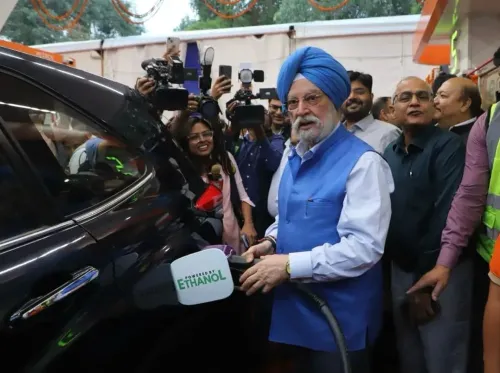
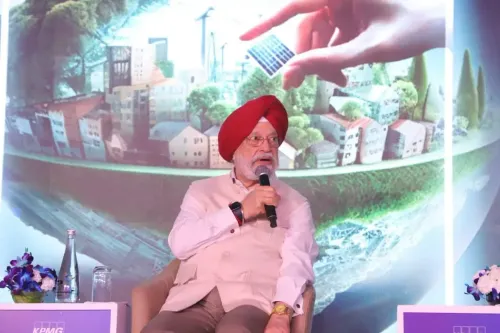
India's ethanol blending programme is a measured, scientifically validated, step-by-step process — not an overnight shift — leading industry experts affirmed at a media briefing in New Delhi on 5 July 2025. With the country having achieved 20% ethanol blending (E20) in petrol by December 2025 — five years ahead of the original schedule — the focus has now shifted to clearing public doubts about vehicle compatibility and fuel safety.
India's Ethanol Blending Journey
Vartika Shukla, former Chairman and Managing Director of Engineers India Ltd, traced the programme's origins: in 2013–14, the country was blending just about 1.5% ethanol in petrol. The structured programme, built through stakeholder consultations, targeted 20% blending — and hit that milestone in December 2025, well ahead of the 2030 deadline.
'This programme was created in a structured manner, put out for discussion and deliberation by all stakeholders,' Shukla said, adding that it is 'supported by scientific evidence and extensive testing by the automotive manufacturers and the agencies that support them, namely the Automotive Research Association of India (ARAI) and SIAM.'
What the E20 Mandate Means for Car Owners
Rahul Bharti, Senior Executive Officer, Corporate Affairs at Maruti Suzuki India Limited, acknowledged that recent days had brought 'some doubts, queries, or concerns about the usage of ethanol in cars.' He was direct in his response: 'India mandated E20 from 2023 for material compliance, and before that, it was E10. Obviously, after 2023, both the cars and the fuel are mandated for E20.'
This means vehicles manufactured and sold in India since 2023 are engineered to run on E20 petrol, and fuel dispensed at pumps meets the same specification. The dual mandate — covering both the vehicle and the fuel — is designed to eliminate compatibility concerns.
How Automakers Test and Certify E20 Vehicles
Vikram Gulati, Country Head and Executive Vice President (Corporate Affairs and Governance) at Toyota Kirloskar Motor, underscored the rigour involved in vehicle certification. 'The automotive industry is among a few industries that are very strongly regulated in terms of quality and performance,' he said.
'We have stringent norms for vehicles to meet emissions, safety, performance, etc. And on the fuel side, there are very clear specifications. It is not only the OEMs who are producing these vehicles, that we test them very elaborately, but also when you introduce a vehicle, these have to be tested, certified, homologated and then introduced,' Gulati noted.
The Climate Case for Ethanol
Gulati also highlighted the environmental rationale behind the push. 'In an era when we are facing the issue of climate change and are looking at rapidly decarbonising, this is a zero-carbon fuel because it's derived from plants,' he said. Shukla echoed this, noting that the programme aligns with global best practices aimed at lowering carbon emissions from the transport sector.
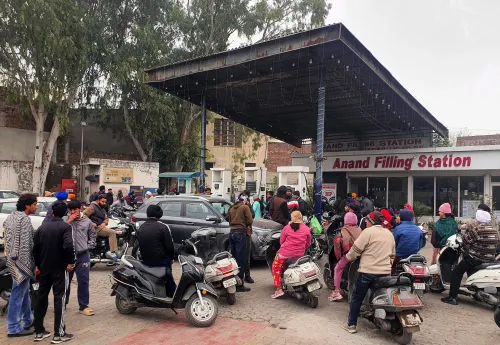
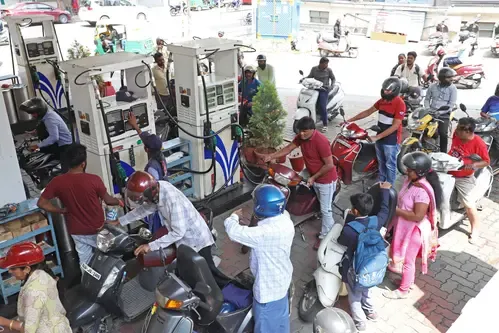
This comes amid broader national efforts to reduce dependence on imported crude oil and cut vehicular emissions — two goals that the ethanol blending programme directly addresses. With E20 now a reality, industry attention is likely to turn toward the infrastructure and logistics of sustaining consistent blending at scale across India's fuel retail network.
Point of View
If unaddressed, could slow adoption or fuel misinformation. What's notable is who spoke: not government officials, but automakers and a former public-sector energy chief. That signals the narrative battle has moved from policy rooms to showrooms. The five-years-early achievement on E20 is genuinely significant, but the harder question — whether India's fuel retail infrastructure can sustain consistent blending quality at scale — was not addressed. Compliance on paper and compliance at the pump are different things, and that gap is where public trust will ultimately be won or lost.
NationPress
4 Jul 2026
Frequently Asked Questions
What is E20 petrol and is it safe for my car?
E20 petrol is a blend of 20% ethanol and 80% conventional petrol. Since 2023, all new cars sold in India are mandated to be E20-compatible, and the fuel itself meets the same specification — making it safe for vehicles manufactured after that year.
When did India achieve 20% ethanol blending?
India achieved its 20% ethanol blending (E20) target in December 2025 , five years ahead of the original 2030 deadline. The programme began in earnest when blending levels were just around 1.5% in 2013–14.
How are E20-compatible cars tested and certified?
Vehicles must undergo elaborate testing by original equipment manufacturers (OEMs) and are then independently tested, certified, and homologated before they can be sold. Bodies such as the Automotive Research Association of India (ARAI) and SIAM support this process.
Why is the government promoting ethanol blending in petrol?
Ethanol is a plant-derived fuel classified as zero-carbon, helping India reduce vehicular carbon emissions and cut dependence on imported crude oil. The programme aligns with global best practices for decarbonising the transport sector.
What was India's ethanol blending level before the current programme?
In 2013–14 , India was blending approximately 1.5% ethanol in petrol. The structured programme gradually scaled this up — first to E10 and then to E20 — through stakeholder consultations and scientific testing.