India's wild rice genetic resources get milestone conservation boost in Assam
Synopsis
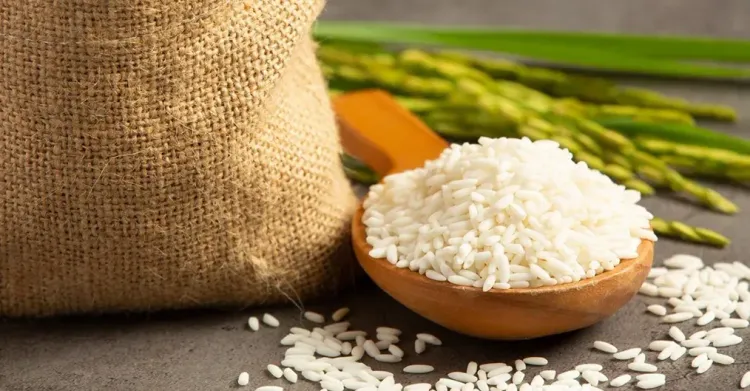
India's Borjuli wetland in Assam's Sonitpur district has been formally notified as a Biodiversity Heritage Site — the first in the country specifically for wild rice. The in-situ conservation project, running since 2022, safeguards Oryza rufipogon, a direct ancestor of cultivated rice and a critical genetic resource for building climate-resilient crop varieties as food security pressures mount.
Key Takeaways
The NRAA and ICAR-NBPGR have achieved a milestone in conserving wild rice ( Oryza rufipogon ) in Sonitpur district, Assam .
The project — operational since 2022 — focuses on in-situ conservation and characterisation of wild rice germplasm.
The Borjuli site in Sonitpur has been notified as a Biodiversity Heritage Site by the National Biodiversity Authority .
NRAA CEO Chandra Shekhar Kumar called wild rice 'an invaluable source of genes' for climate-resilient and nutritionally superior rice varieties.
The government has signalled plans to replicate similar conservation initiatives for other crop wild relatives across India.
The National Rainfed Area Authority (NRAA), under the Ministry of Agriculture and Farmers Welfare, has achieved a significant milestone in conserving India's wild rice genetic resources, the government announced on Thursday, 2 July 2025. The achievement centres on a dedicated project protecting wild rice (Oryza rufipogon) in Sonitpur district, Assam — a species scientists describe as an irreplaceable genetic reservoir for climate-resilient crop development.
About the Conservation Project
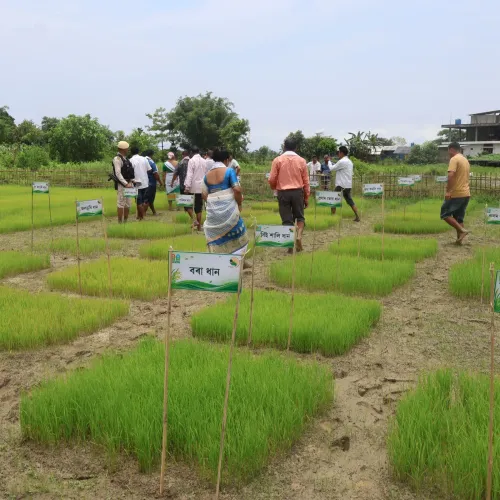
Titled In-situ Conservation and Management of Wild Rice (Oryza rufipogon) in Sonitpur District of Assam, the initiative has been operational since 2022. It is jointly implemented by the ICAR–National Bureau of Plant Genetic Resources (ICAR-NBPGR) and the Assam State Biodiversity Board. The project focuses on the exploration, conservation, and characterisation of wild rice germplasm in its natural habitat — an approach known as in-situ conservation, which preserves species within their native ecosystems rather than in seed banks alone.
A key outcome of the project is the formal recognition of the Borjuli site in Sonitpur district, which has been notified as a Biodiversity Heritage Site by the National Biodiversity Authority. This designation provides the site with legal protection and elevates its national significance in biodiversity governance.
What Government Officials Said
A team of scientists from ICAR-NBPGR briefed NRAA Chief Executive Officer Chandra Shekhar Kumar on the project's progress. Kumar commended the research team's efforts, noting that wild rice species are 'an invaluable source of genes for developing climate-resilient, high-yielding and nutritionally superior rice varieties.' He also stressed the need to replicate similar conservation programmes for other crop wild relatives across the country to bolster long-term food security. The meeting was facilitated by Pankaj Kumar Shah, Director (Agriculture and Horticulture), NRAA, and Anil Kumar Mishra, Technical Expert (Watershed Management), NRAA.
Why This Matters for Indian Agriculture
India is one of the world's most important centres of rice diversity, and wild relatives of cultivated rice carry genetic traits — including drought tolerance, flood resistance, and pest immunity — that modern high-yield varieties have lost over decades of selective breeding. With climate change intensifying pressure on agricultural systems, these wild gene pools are increasingly critical for future crop improvement programmes.
Notably, Oryza rufipogon is a direct ancestor of cultivated rice and has been used in breeding programmes globally. Its conservation in Assam's wetland ecosystems ensures that these traits remain accessible to researchers developing next-generation varieties. This is the first such in-situ site in the country to receive Biodiversity Heritage Site status specifically for wild rice, according to ministry information.
Broader Policy Context
According to the Ministry of Agriculture and Farmers Welfare, the project reflects the government's continued focus on conserving plant genetic resources and biodiversity to support sustainable agriculture. India is a signatory to the Convention on Biological Diversity (CBD) and the International Treaty on Plant Genetic Resources for Food and Agriculture (ITPGRFA), both of which mandate the conservation of crop wild relatives. The NRAA's initiative aligns with these international commitments while addressing domestic food security imperatives.
The government has indicated that expanding similar conservation efforts to other crop wild relatives remains a priority, with the Assam model potentially serving as a template for future initiatives across ecologically sensitive regions.
Point of View
Or whether Borjuli remains an isolated success story. With climate stress on rice production intensifying, the cost of inaction on wild genetic resource conservation is measurable in future yield losses — not just biodiversity statistics.
NationPress
2 Jul 2026
Frequently Asked Questions
What is the wild rice conservation project in Assam?
It is an in-situ conservation initiative titled 'In-situ Conservation and Management of Wild Rice (Oryza rufipogon) in Sonitpur District of Assam,' jointly implemented by ICAR-NBPGR and the Assam State Biodiversity Board since 2022. The project focuses on exploring, conserving, and characterising wild rice germplasm in its natural habitat in Sonitpur district.
What is Oryza rufipogon and why is it important?
Oryza rufipogon is a wild ancestor of cultivated rice that carries genetic traits — including drought tolerance, flood resistance, and pest immunity — lost in modern high-yield varieties. Scientists consider it an invaluable gene source for breeding climate-resilient, high-yielding, and nutritionally superior rice varieties for the future.
What is the significance of the Borjuli Biodiversity Heritage Site notification?
The Borjuli site in Assam's Sonitpur district has been formally notified as a Biodiversity Heritage Site by the National Biodiversity Authority, giving it legal protection. It is the first such designation in India specifically for wild rice conservation, elevating its national significance in biodiversity governance.
Which government bodies are involved in this project?
The project is led by ICAR-NBPGR in collaboration with the Assam State Biodiversity Board, and falls under the broader oversight of the National Rainfed Area Authority (NRAA), which operates under the Ministry of Agriculture and Farmers Welfare.
Will similar conservation projects be launched elsewhere in India?
NRAA CEO Chandra Shekhar Kumar has stressed the need to replicate similar in-situ conservation initiatives for other crop wild relatives across the country. The government has indicated the Assam model could serve as a template for future programmes in ecologically sensitive regions.