GTE Exemption List of Medical Devices: Govt seeks stakeholder comments by July 15
Synopsis
The Centre has reopened public consultation on the GTE Exemption List of Medical Devices — the regulatory gateway that lets government hospitals bypass Make in India restrictions to import critical equipment not made locally. With a 15 July deadline, the outcome will shape which foreign medical technologies remain accessible to India's public health system.
Key Takeaways
The Department of Pharmaceuticals has invited stakeholder comments on proposed amendments to the GTE Exemption List of Medical Devices .
The deadline for submissions is 15 July , via email to usmedicaldevices@pharma-dept.gov.in .
The consultation follows a public notice issued on 11 February that drew representations requesting additions, deletions, and modifications to the list.
The GTE Exemption List allows government hospitals to procure foreign medical equipment where domestic manufacturing is absent or inadequate, bypassing the standard ₹200 crore global tender threshold.
Submissions must include supporting data on domestic manufacturing capacity, import dependence, applicable standards, and impact on patient access and affordability.
The Centre's Department of Pharmaceuticals has invited comments from stakeholders on proposed amendments to the Global Tender Enquiry (GTE) Exemption List of Medical Devices, with a deadline of 15 July for submissions. The move follows a public notice issued on 11 February that sought feedback on the existing list, after which the Department received representations requesting addition, deletion, or modification of entries.
Who Can Submit and How
All concerned stakeholders — including domestic manufacturers, importers, industry associations, procurement agencies, and healthcare institutions — have been asked to send their comments, views, or objections by 15 July via email to usmedicaldevices@pharma-dept.gov.in, with a copy to so-medicaldevices@pharma-dept.gov.in. Submissions must use the subject line: 'Comments/Objections on Proposed Amendments to the GTE Exemption List of Medical Devices' and follow the prescribed format against relevant entries in columns E to I.
What Supporting Information Is Required
Stakeholders submitting comments are required to furnish relevant supporting data, including the availability or non-availability of domestic manufacturing capacity; the number of domestic manufacturers and importers; annual production and supply capacity within India; and import dependence alongside availability of alternative sources.
Additional information sought includes applicable standards, certifications, and regulatory approvals; procurement-related issues; and the likely impact on public procurement, patient access, affordability, and quality of healthcare services. Technical, clinical, regulatory, commercial, or procurement-related justifications may also be submitted. Notably, comments received after the stipulated date or without adequate supporting information may not be considered.
What the GTE Exemption List Does
The GTE Exemption List of Medical Devices is a regulatory framework that allows public hospitals and government procurement agencies to float global tenders and purchase foreign-made medical equipment. Under standard government procurement rules, global tenders for purchases below ₹200 crore are restricted to promote domestic manufacturing under the Make in India and Atmanirbhar Bharat initiatives.
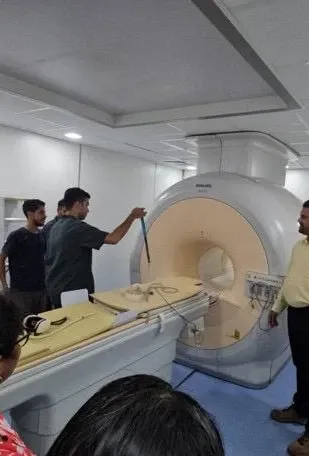
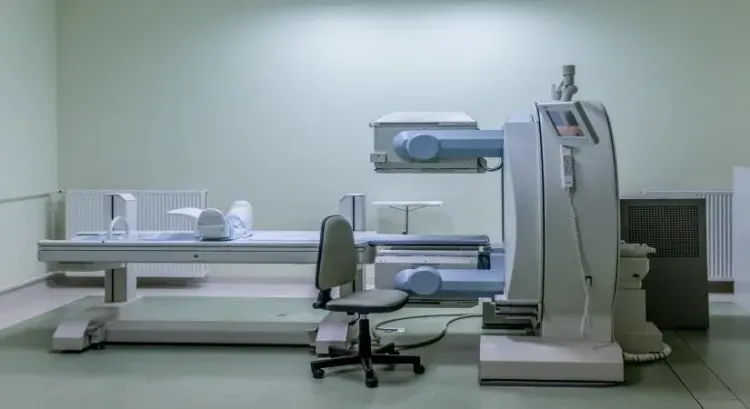
The GTE exemption bypasses these restrictions, permitting foreign suppliers to bid where a specific medical device is not manufactured domestically at the required quality or scale. This ensures that critical care facilities, government hospitals, and research institutes retain uninterrupted access to advanced, life-saving, and specialised medical technologies.
Context and Significance
The consultation process reflects the government's effort to balance two competing policy objectives: strengthening domestic medical device manufacturing on one hand, and ensuring that public healthcare institutions are not denied access to critical equipment unavailable locally on the other. This is the second round of stakeholder engagement on the GTE list in 2025, following the February public notice. The outcome of this exercise will directly influence which foreign medical devices can be procured by government hospitals without restrictions — a decision with direct consequences for patient care quality and healthcare affordability across India.
Point of View
In effect, an admission that Make in India has not yet delivered in that product segment; every deletion risks cutting off hospitals from equipment they depend on. The February-to-July consultation cycle suggests the government is being more deliberate this time, but the real test is whether the process produces transparent, evidence-based decisions — or becomes a lobbying exercise for either domestic industry or foreign suppliers. Without published criteria for inclusion and independent verification of domestic capacity claims, the list will remain contested.
NationPress
23 Jun 2026
Frequently Asked Questions
What is the GTE Exemption List of Medical Devices?
The GTE Exemption List is a regulatory framework that allows public hospitals and government procurement agencies in India to float global tenders and purchase foreign-made medical equipment. It exempts specific devices from the standard restriction on global tenders for purchases below ₹200 crore, applicable when a device is not manufactured domestically at the required quality or scale.
Why is the government seeking stakeholder comments now?
The Department of Pharmaceuticals issued a public notice on 11 February seeking feedback on the existing GTE Exemption List. After receiving representations from various stakeholders requesting changes to entries, the government is now inviting public comments on those specific proposals before finalising any amendments.
Who can submit comments and what is the deadline?
Domestic manufacturers, importers, industry associations, procurement agencies, and healthcare institutions can all submit comments. The deadline is 15 July, and submissions must be sent by email to usmedicaldevices@pharma-dept.gov.in with a copy to so-medicaldevices@pharma-dept.gov.in.
What information must stakeholders include in their submissions?
Submissions should include data on domestic manufacturing capacity, the number of domestic manufacturers and importers, annual production capacity, import dependence, applicable standards and certifications, and the likely impact on patient access, affordability, and quality of healthcare services.
How does the GTE Exemption List affect Make in India and Atmanirbhar Bharat?
The GTE Exemption List creates a targeted exception to the Make in India and Atmanirbhar Bharat procurement restrictions. While the government normally limits global tenders below ₹200 crore to encourage domestic production, the exemption list allows foreign suppliers to bid for specific medical devices where domestic supply is inadequate — ensuring critical healthcare facilities are not deprived of essential equipment.