Are Hazaribagh Workers Finding Hope in VB-G RAM G Amid Political Controversy?
Synopsis
In the midst of a national political uproar, Hazaribagh's workers are discovering promise in the VB-G RAM G scheme. This initiative could reshape rural employment and provide much-needed stability for local communities. Will it truly deliver on its promises amidst the controversy?
Key Takeaways
Increased workdays: Guaranteed workdays raised from 100 to 125 annually.
Enhanced transparency: Implementation of geo-tagging and biometric systems.
Timely employment: Work is promised within 7 to 15 days.
Community impact: Potential to reduce migration and strengthen local economies.
Support for farmers: Aiming to provide stability and dignity in rural life.
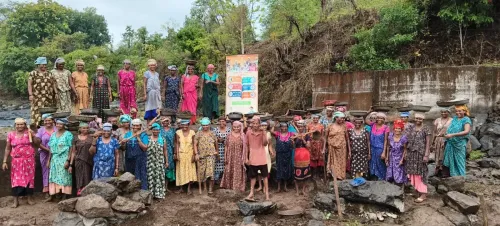
Hazaribagh, (Jharkhand) Jan 7 (NationPress) As the political discourse escalates across the nation regarding the VB-G RAM G scheme (Viksit Bharat Guarantee for Rozgar and Ajeevika Mission – Gramin), diverse reactions from rural areas are surfacing.
While the Congress has initiated widespread protests against the scheme, laborers and farmers in Hazaribagh district perceive it as a beacon of hope for employment, income stability, and a chance to reduce migration.
In numerous villages within Hazaribagh, the scheme has sparked evident enthusiasm. Local workers express that VB-G RAM G could fill critical gaps in the Mahatma Gandhi National Rural Employment Guarantee Act (MGNREGA), which has historically faced challenges with delays in job allocation and wage disbursements.
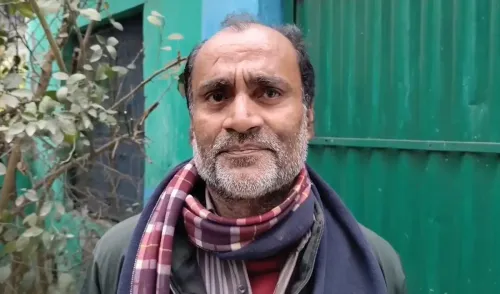
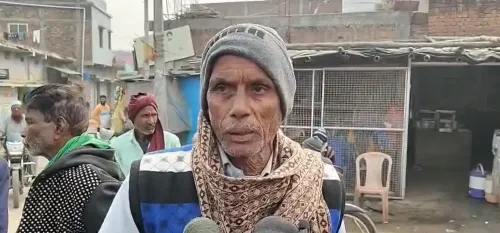
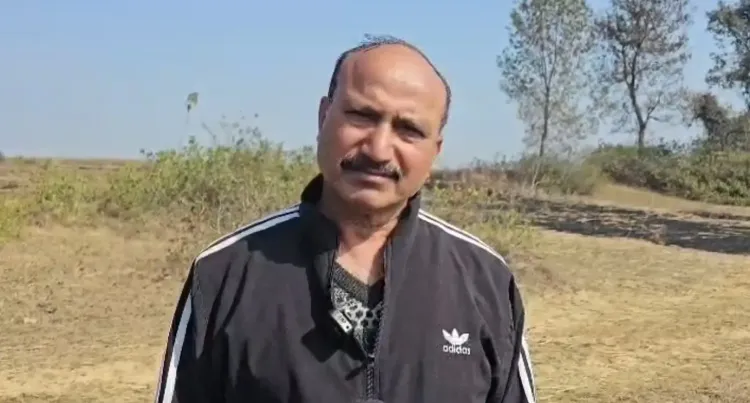
“Under MGNREGA, work was not always accessible on time, and when it was, wages were frequently delayed for months,” shared a daily-wage worker from a Hazaribagh village. “This compelled many of us to migrate to urban areas for survival.”
Workers believe VB-G RAM G offers a more feasible solution. A notable aspect they highlighted is the increase in guaranteed workdays from 100 to 125 days annually. Agricultural laborers and other workers assert that this will ensure more stable employment throughout the year, thereby enhancing household incomes and mitigating economic uncertainties.
They expressed their appreciation to Prime Minister Narendra Modi for launching the scheme. One worker suggested that the opposition’s resistance stems not from the scheme itself but rather from the inclusion of the word “RAM” in its title, indicating this as the true source of political contention.
Another significant improvement welcomed by workers is the compulsory implementation of geo-tagging and biometric systems. Previously, they allege that middlemen, contractors, and machinery often resulted in fraudulent work entries and wage theft.
“Now, without the physical presence of actual workers, work cannot be falsely reported,” stated a farmer, viewing this as a move towards transparency.
Villagers also noted the provision of work within 7 to 15 days as a potential game-changer. They believe that timely job availability in villages will substantially decrease distress migration to cities, where employment is often precarious and temporary.
“If we receive work and timely wages in our villages, why would we abandon our families?” questioned another laborer.
Both workers and economists argue that consistent rural employment could bolster village economies by enhancing cash flow within local markets. They also assert that this scheme will benefit small businesses.
For the laborers and farmers of Hazaribagh, VB-G RAM G represents more than just another welfare initiative; it symbolizes a promise of stability and dignity. They believe that if the program is executed with integrity and transparency, it holds the potential to transform rural life and redefine the future of India’s villages, even as the political struggle over the scheme persists at the national level.
Point of View
The enthusiasm seen among Hazaribagh's workers for the VB-G RAM G scheme reflects a broader desire for economic stability in rural areas. While political debates continue, the focus should remain on how these initiatives can genuinely uplift communities and reduce migration pressures.
NationPress
29 Aug 2026
Frequently Asked Questions
What is the VB-G RAM G scheme?
The VB-G RAM G scheme, known as Viksit Bharat Guarantee for Rozgar and Ajeevika Mission – Gramin, aims to enhance rural employment and income security.
How does the scheme improve job availability?
The scheme increases the guaranteed workdays from 100 to 125 annually, providing more consistent employment for rural workers.
What are the key features of the VB-G RAM G scheme?
Key features include geo-tagging and biometric verification to ensure transparency and prevent wage theft.
Why are workers in Hazaribagh optimistic about this scheme?
Workers believe the scheme will fill gaps left by MGNREGA, providing timely work and payments and reducing the need for migration.
What impact could the scheme have on rural economies?
By boosting employment and household incomes, the scheme could enhance cash flow in local markets and support small businesses.