Will the India AI Expo Summit Stay Closed on February 19?
Synopsis
The India AI Expo Summit 2026 will be closed to the public on February 19 due to the presence of prominent leaders including Prime Minister Modi, but will extend to February 21 to accommodate more visitors. This significant event showcases innovations in artificial intelligence, featuring participation from global leaders and multiple country pavilions.
Key Takeaways
India AI Expo Summit 2026 closed on February 19 for security reasons.
Extended to February 21 to accommodate public interest.
Attended by 20 heads of state , including Emmanuel Macron .
Showcases global advancements in artificial intelligence .
Features 13 international pavilions .
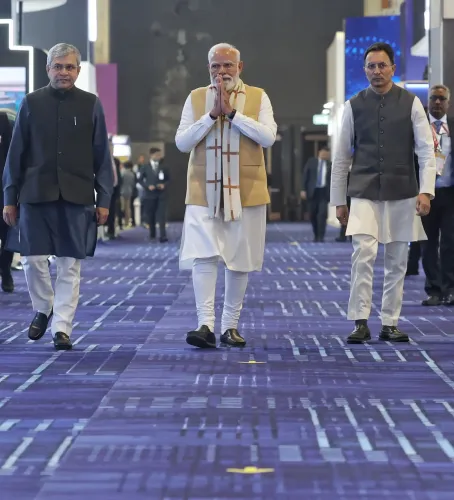
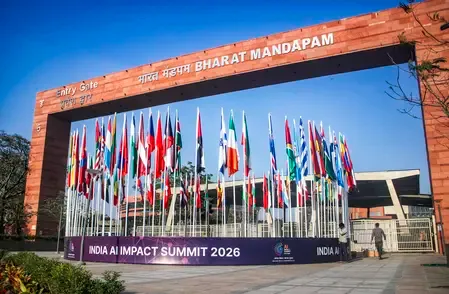
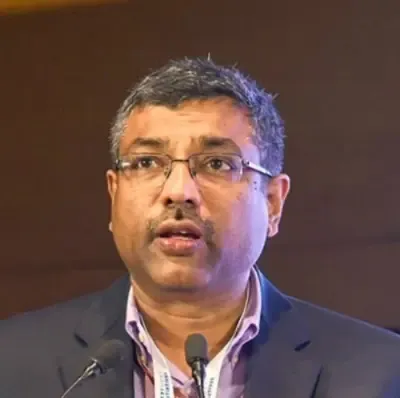
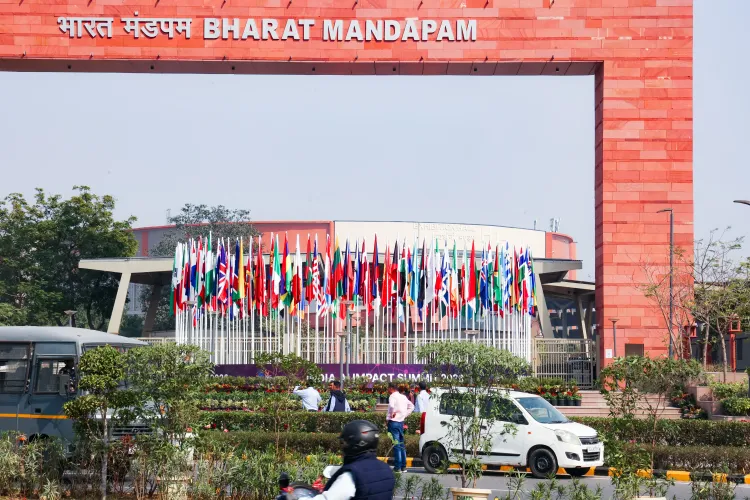
New Delhi, Feb 18 (NationPress) The India AI Expo Summit 2026 will not be open to the public on February 19 and will instead extend for an additional day on February 21, as announced by Electronics and IT Secretary S Krishnan on Wednesday.
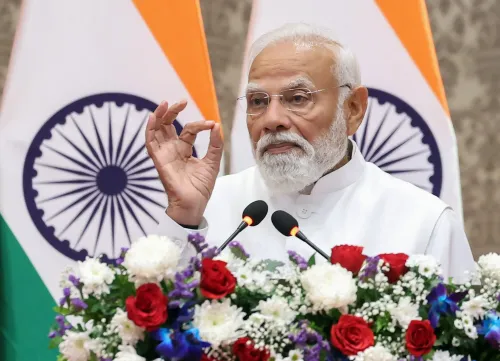
This decision is made in light of Prime Minister Narendra Modi set to inaugurate the summit on the 19th.
Due to the significant security measures and high-profile attendance for the inaugural session, authorities have opted to keep the expo closed to general visitors that day.
Krishnan elaborated that the event has been extended by one day to accommodate the enthusiastic public response.
“The expo will now be open on Saturday, February 21, allowing more attendees to explore the displays,” Krishnan said.
He also mentioned that around 20 heads of state will be present at the inauguration.
“Among the dignitaries will be French President Emmanuel Macron, emphasizing the summit's global significance,” he added.
The government aims to minimize any public inconvenience due to security measures and traffic conditions on the day of the opening.
Thus, it was resolved that the expo area would remain closed on February 19, but will instead operate for an additional day later in the week.
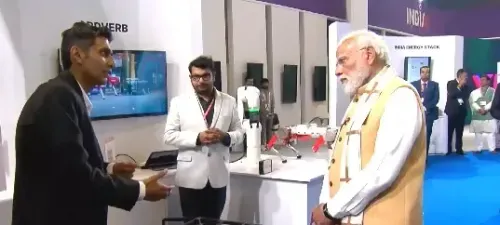
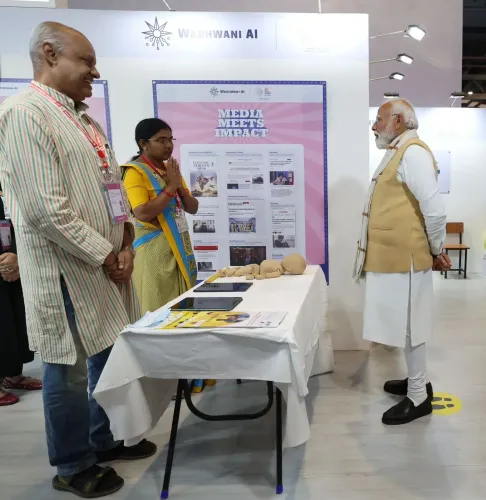
The India AI Expo Summit has attracted considerable attention for presenting cutting-edge advancements in artificial intelligence from both national and international participants, with active involvement expected from industry leaders, startups, and global delegations.
Covering over 70,000 square meters across 10 arenas, it will convene global tech companies, startups, academic institutions, and research entities, along with Union Ministries, state governments, and international partners.
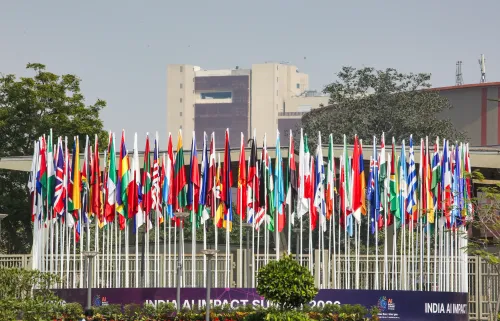
The event will also showcase 13 country pavilions, highlighting the collaborative efforts within the AI ecosystem.
These include pavilions from Australia, Japan, Russia, the United Kingdom, France, Germany, Italy, the Netherlands, Switzerland, Serbia, Estonia, Tajikistan, and several African countries.
Point of View
The India AI Expo Summit represents a pivotal moment for the country, showcasing its advancements in artificial intelligence while fostering international collaboration. The decision to close the summit on February 19 reflects the importance of security and order during a high-profile event.
NationPress
24 Sept 2026
Frequently Asked Questions
Why is the India AI Expo Summit closed on February 19?
The expo will be closed on February 19 to accommodate security arrangements for the inauguration by Prime Minister Modi and other dignitaries.
When will the expo be open to the public?
The expo will be open to the public on February 21, allowing more attendees to explore the exhibits.
What is the significance of the India AI Expo Summit?
The summit highlights cutting-edge innovations in artificial intelligence and fosters collaboration between industry leaders, startups, and international delegations.
How many heads of state will attend the summit?
Around 20 heads of state are expected to be present at the inaugural session.
Which countries will have pavilions at the summit?
Pavilions will be present from countries including Australia, Japan, Russia, the UK, France, Germany, Italy, the Netherlands, Switzerland, Serbia, Estonia, Tajikistan, and African nations.