Is India Intensifying Its Pursuit of Rare Earths?
Synopsis
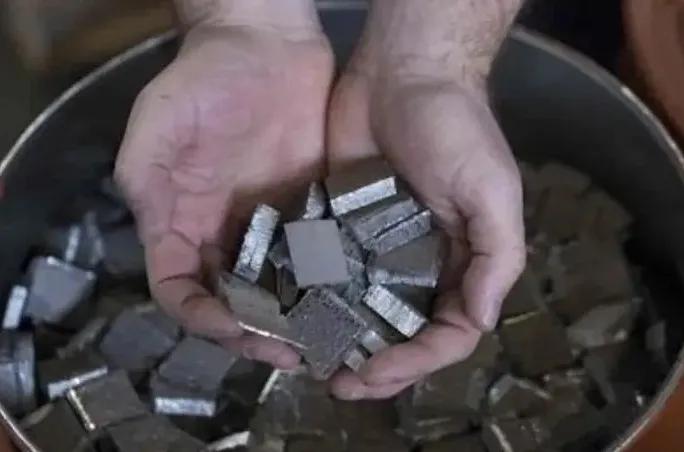
India is ramping up its efforts in exploring and mining rare earth minerals. With significant deposits identified, the country is strategically positioning itself in the global rare earth sector. This initiative could reshape India's manufacturing capabilities and reduce reliance on imports.
Key Takeaways
India's Rare Earth Potential: Significant deposits identified across multiple states.
Government Oversight: Mining and processing are regulated due to radioactivity concerns.
Investment in Technology: A new initiative to boost manufacturing of rare earth magnets.
Global Positioning: India aims to become a key player in the rare earth sector.
Challenges Ahead: Limited technology and infrastructure for mining and processing.
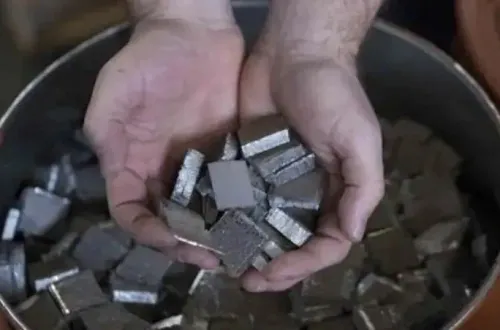
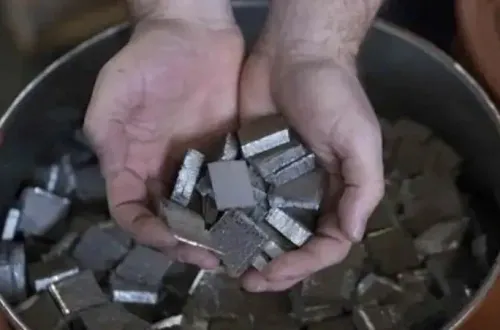
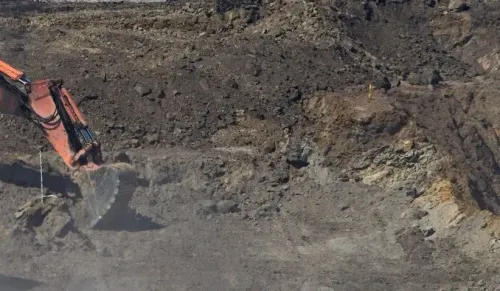
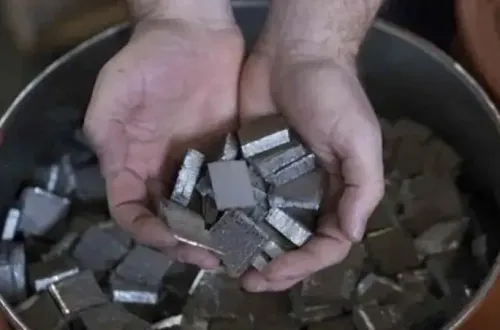
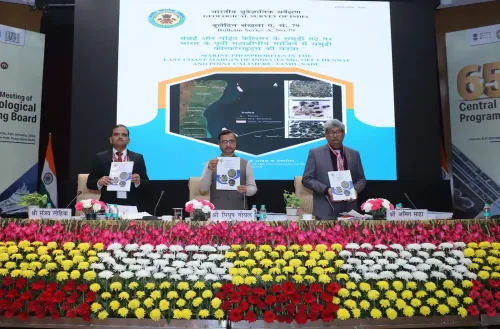
New Delhi, Feb 4 (NationPress) The Atomic Minerals Directorate for Exploration and Research (AMD), a unit of the Department of Atomic Energy, is actively engaged in the exploration and enhancement of rare earth group elements found in coastal and inland placer sands, as well as in hard rock formations across various promising geological regions of the nation, as reported by the government.
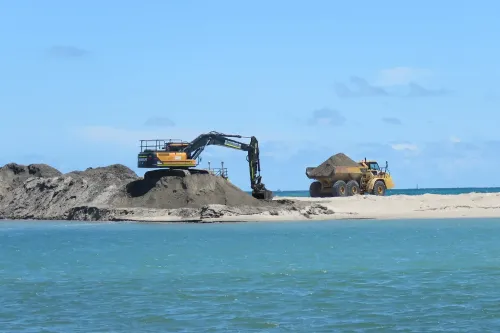
As of January 28, 2026, AMD has identified approximately 136 deposits of Beach Sand Minerals, comprising about 13.15 million tonnes (Mt) of monazite (a mineral rich in Thorium and Rare Earths) located in coastal beaches, teri/red sands, and inland alluvial areas in states like Tamil Nadu, Kerala, Andhra Pradesh, Odisha, Maharashtra, Gujarat, Jharkhand, and West Bengal.
These deposits are estimated to contain around 7.23 Mt of in-situ Rare Earth Oxide (eq.) resources, as stated by G. Kishan Reddy, the Minister of Coal and Mines, in a written statement to the Rajya Sabha.
Additionally, there are three deposits of rare-earth minerals in hard rock formations in parts of Rajasthan and Gujarat, estimated to hold 1.29 Mt of in-situ Rare Earth Oxide (eq.) resources.
The minister highlighted that the rare earth-bearing ore, monazite, is classified as a controlled substance due to its connection with radioactive materials—uranium and thorium—resulting in government oversight on mining, processing, and refining operations.
India stands as one of only three to four nations worldwide that possesses the capacity and expertise in terms of plant, technology, and a skilled workforce within the rare earth sector.
However, Indian resources are relatively limited in terms of grade and are associated with radioactive elements, complicating and increasing the costs of extraction.
Moreover, Indian resources predominantly consist of light rare earth elements.
Despite possessing sufficient rare-earth resources and the capability for extraction and refining, the commercial mining and processing of these minerals have been constrained due to inadequate technology and the absence of mid-stream and downstream industries in the REE value chain.
In November of the previous year, the Union Cabinet approved a scheme aimed at promoting the manufacturing of sintered Rare Earth Permanent Magnets, with a financial provision of Rs. 7,280 crore to establish an integrated manufacturing capacity of 6,000 Metric Tons per Annum (MTPA) of Rare Earth Permanent Magnets in India.
Point of View
We recognize the significance of India's advancements in rare earth exploration. This initiative not only enhances India's position in the global market but also fosters technological growth and energy independence. It's a step towards a sustainable future, aligning with national interests.
NationPress
27 Sept 2026
Frequently Asked Questions
What are rare earth elements?
Rare earth elements are a group of 17 metals used in various high-tech applications, from electronics to renewable energy technologies.
Why is India's rare earth mining significant?
India's rare earth mining is crucial for reducing dependency on imports and boosting local manufacturing capabilities.
What states in India have rare earth deposits?
States like Tamil Nadu, Kerala, Andhra Pradesh, Odisha, Maharashtra, Gujarat, Jharkhand, and West Bengal have significant rare earth deposits.
What is the government's role in rare earth mining?
The government regulates the mining, processing, and refining of rare earth minerals due to their association with radioactive elements.