India-Japan sign pacts on AI, defence, clean energy in Modi-Takaichi talks
Synopsis
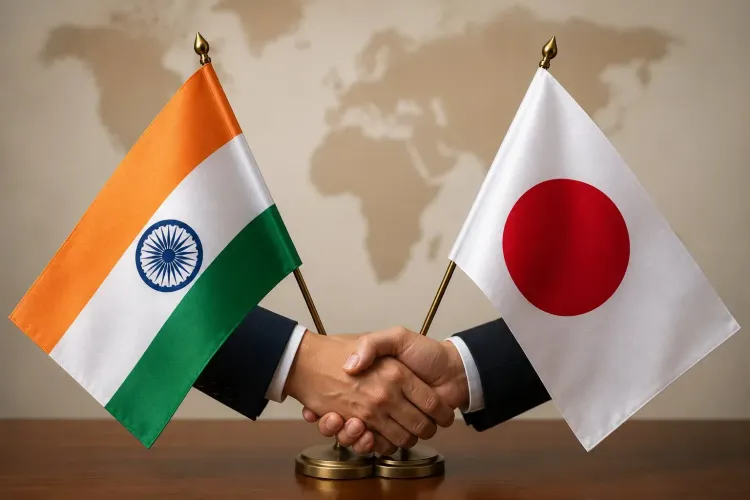
India and Japan moved beyond diplomatic optics on 2 July, signing their first-ever joint defence co-development deal — the naval antenna system 'Unicorn' — alongside pacts on AI, semiconductors, quantum tech, and healthcare. The breadth of agreements under Modi and Takaichi signals a qualitative leap in a partnership that has long punched below its strategic potential.
Key Takeaways
PM Modi and Japanese PM Sanae Takaichi signed multiple bilateral agreements in New Delhi on 2 July 2025 .
A joint economic security roadmap targets resilient supply chains in semiconductors , quantum technologies , and advanced materials .
India and Japan issued a joint statement on AI cooperation , with Modi calling it the future 'strongest pillar' of bilateral ties.
The two nations signed their first joint defence co-development agreement for the naval radio antenna system 'Unicorn' .
Agreements were also concluded on pharmaceuticals , medical devices , and biotechnology .
Takaichi's three-day visit (1–3 July) is her first bilateral trip to India as Prime Minister.
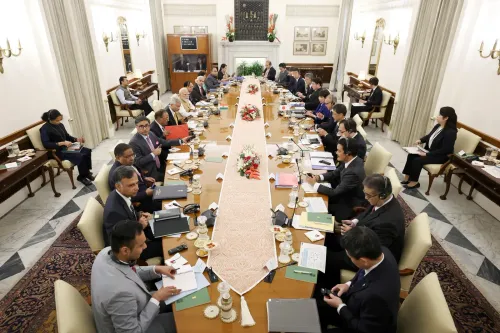
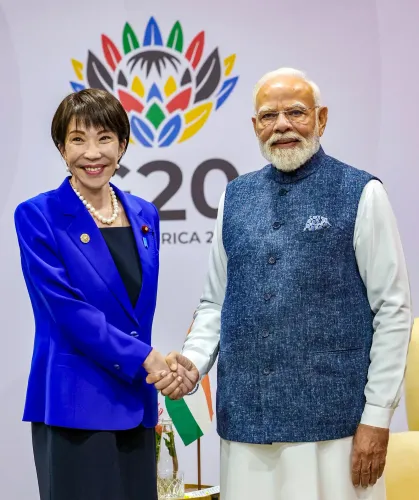
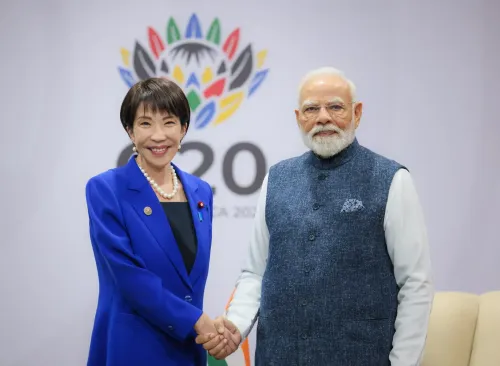
Prime Minister Narendra Modi and Japanese Prime Minister Sanae Takaichi on Thursday, 3 July 2025, concluded wide-ranging bilateral talks in New Delhi, signing a series of agreements spanning economic security, artificial intelligence (AI), defence technology, clean energy, healthcare, and maritime security. The pacts mark a significant deepening of the India-Japan Special Strategic and Global Partnership at a time of heightened geopolitical and supply-chain uncertainty.
Economic Security and Supply Chain Resilience
The two leaders agreed on a joint roadmap for economic security aimed at addressing global uncertainties by building resilient supply chains in critical sectors. The roadmap specifically targets semiconductors, quantum technologies, and advanced materials — areas where both nations have identified strategic vulnerabilities.
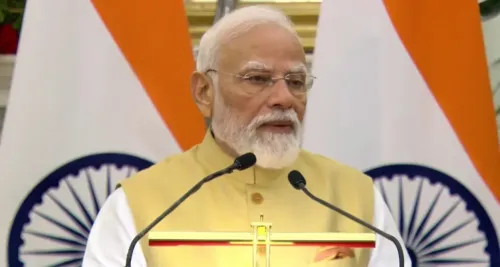
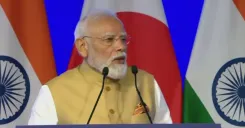
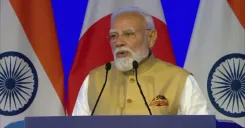
'In today's era of uncertainty, both India and Japan fully understand the importance of economic and energy security,' Modi said at a joint press briefing, underscoring the need for trusted partnerships in critical technologies and manufacturing.
AI and Emerging Technology Partnership
India and Japan issued a joint statement on AI cooperation, reflecting a shared commitment to advancing collaboration in emerging technologies. Modi described the technology partnership as set to become 'the strongest pillar of bilateral ties.'
'The convergence of Japan's precision technology and India's software capabilities will impart new momentum and strength to global AI development,' he said. This positions the two countries as complementary poles in the global AI value chain — Japan contributing hardware precision, India contributing software scale.
First Joint Defence Co-Development Project
In a landmark development for defence ties, the two sides signed an agreement for their first-ever joint defence co-development project — the naval radio antenna system codenamed 'Unicorn'. Modi called it 'the beginning of a new chapter in defence technology collaboration.'
'We will now jointly develop defence technologies that strengthen regional peace, maritime security and the rules-based order,' he said. The Unicorn project signals a qualitative shift from defence trade to co-production, a transition India has pursued with select partners under its Atmanirbhar Bharat defence push. This is also consistent with Japan's own easing of restrictions on defence exports under its revised security policy.
Healthcare, Pharma and Biotech Cooperation
Agreements were also signed to expand cooperation in pharmaceuticals, medical devices, and biotechnology. Modi said India's manufacturing scale, combined with Japan's technological expertise and quality standards, could help deliver 'affordable, reliable and advanced healthcare solutions to people around the world' — a framing that also targets third-country markets in the Global South.
Context and What Comes Next
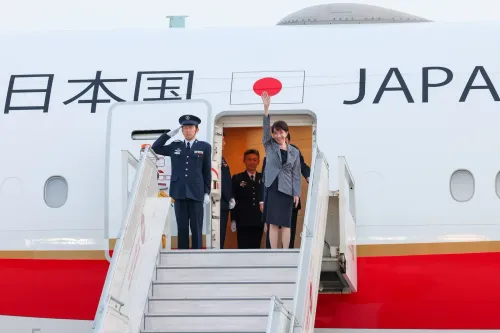
Takaichi arrived in India on 1 July for a three-day official visit at Modi's invitation, with the talks on 2 July forming the centrepiece. This is notably her first bilateral visit to India as Prime Minister, and the breadth of agreements signals an intent to accelerate a partnership that has historically moved cautiously.
This comes amid growing alignment between New Delhi and Tokyo on China-related concerns in the Indo-Pacific, where both nations are members of the Quad grouping. Detailed implementation frameworks for the signed agreements are expected to be worked out in the coming months through joint working groups.
Point of View
Or remains an aspirational document. Japan has capital and precision manufacturing; India has scale and a services base. The partnership logic is sound, but past India-Japan announcements, including the bullet-train project, have moved slowly. Takaichi's visit suggests Tokyo wants to accelerate — but implementation frameworks will tell the real story.
NationPress
2 Jul 2026
Frequently Asked Questions
What agreements did India and Japan sign on 2 July 2025?
India and Japan signed a series of agreements covering economic security, artificial intelligence, defence technology co-development, clean energy, healthcare, pharmaceuticals, and maritime security during bilateral talks between PM Modi and Japanese PM Takaichi in New Delhi on 2 July 2025.
What is the 'Unicorn' defence project between India and Japan?
'Unicorn' is a naval radio antenna system that India and Japan have agreed to jointly develop — marking their first-ever joint defence co-development project. PM Modi described it as the beginning of a new chapter in defence technology collaboration between the two nations.
What is the India-Japan joint economic security roadmap?
The joint economic security roadmap is an agreed framework to build resilient supply chains in critical sectors including semiconductors, quantum technologies, and advanced materials, aimed at reducing vulnerability to global supply disruptions.
Why is Sanae Takaichi's visit to India significant?
This is Japanese PM Sanae Takaichi's first official bilateral visit to India since taking office. The breadth of agreements signed — spanning AI, defence co-development, and economic security — signals a deliberate push to deepen and accelerate the India-Japan Special Strategic and Global Partnership.
How does the India-Japan AI cooperation agreement work?
The two countries issued a joint statement on AI cooperation, committing to advance collaboration in emerging technologies. PM Modi said the partnership would leverage Japan's precision technology and India's software capabilities to strengthen global AI development, though detailed implementation mechanisms are yet to be announced.