CPGRAMS, Digital Life Certificates boost India-Korea governance ties: Dr Jitendra Singh
Synopsis
India used a high-level bilateral meeting with South Korea's Interior Minister to showcase CPGRAMS and Digital Life Certificates as flagship citizen-service tools — and to pitch deeper AI and e-governance cooperation. The exchange signals India's growing ambition to export its digital public infrastructure model to strategic partners.
Key Takeaways
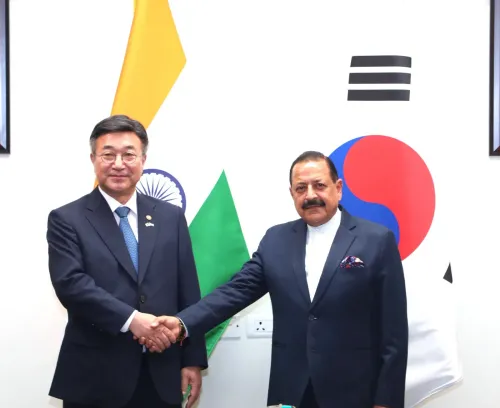
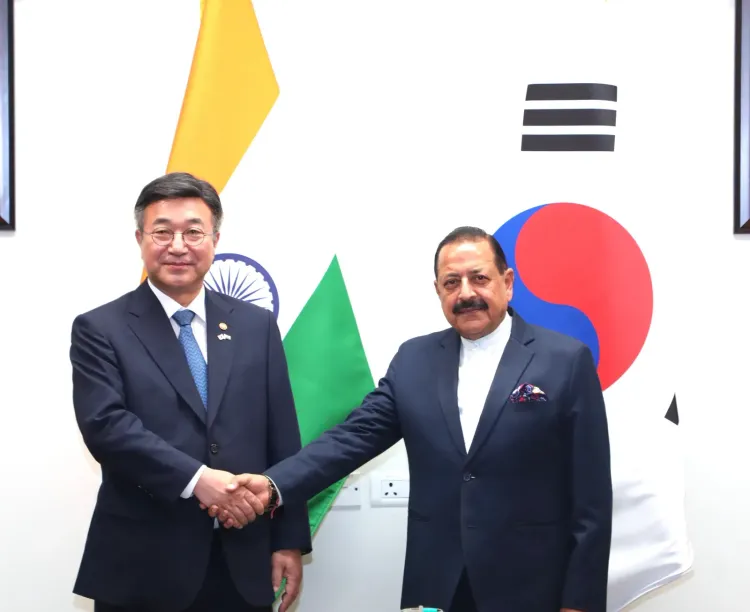
Dr Jitendra Singh met Republic of Korea Minister Yun Hojung on 20 June in New Delhi for bilateral talks on digital governance.
India highlighted CPGRAMS and Digital Life Certificates as models of transparent, citizen-centric administration.
Both sides discussed deeper cooperation in e-governance , artificial intelligence and public administration reform.
Dr Singh referenced the Joint Strategic Vision Statement signed during President Lee Jae Myung's visit to India as the cooperation roadmap.
The meeting lasted over an hour and included full delegations from both countries.
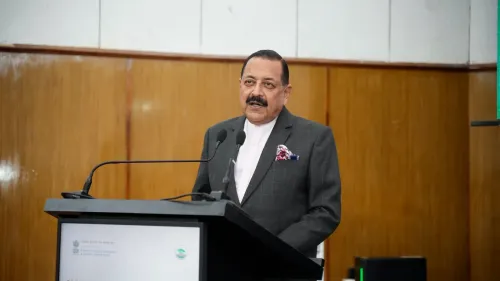
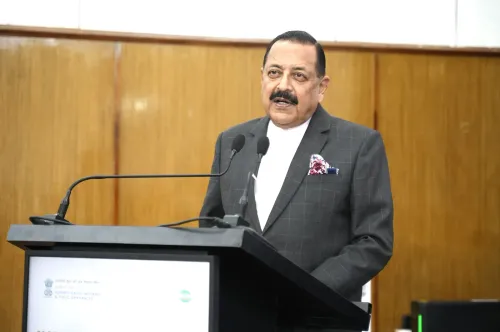
Union Minister of State Dr Jitendra Singh on Saturday, 20 June said that platforms such as CPGRAMS and Digital Life Certificates are reshaping governance in India by strengthening transparency, streamlining service delivery and making public administration more citizen-centric. The remarks came during a bilateral meeting in New Delhi with Republic of Korea Minister of Interior and Safety Yun Hojung, who is on an official visit to India.
Key Developments from the Meeting
The two ministers, accompanied by their respective delegations, held bilateral discussions lasting over an hour, covering digital governance, public administration, capacity building and citizen services. Dr Singh called for deeper cooperation between the two countries in areas including e-governance, artificial intelligence and public administration reform.
Welcoming the Korean delegation, Dr Singh said India and the Republic of Korea share a Special Strategic Partnership rooted in democratic values, innovation and a shared commitment to good governance. He referred to the Joint Strategic Vision Statement finalised during the visit of Republic of Korea President Lee Jae Myung to India earlier this year, describing it as a roadmap for expanding bilateral cooperation.
India's Digital Governance Achievements Highlighted
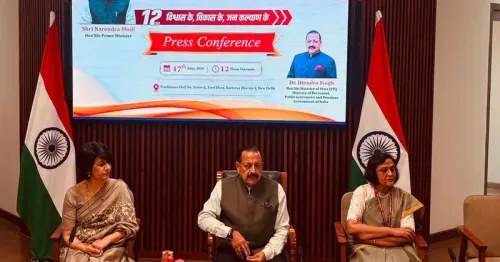
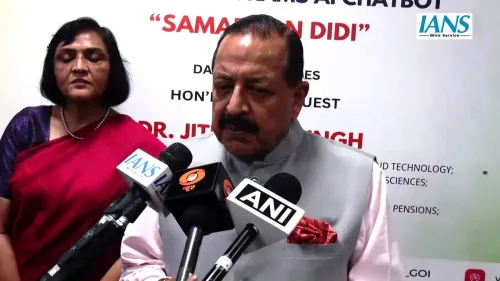
Highlighting India's progress in digital governance under Prime Minister Narendra Modi, Dr Singh said technology-enabled platforms have significantly improved service delivery and grievance redressal mechanisms. He noted that CPGRAMS — the Centralised Public Grievance Redress and Monitoring System — and Digital Life Certificates have reduced procedural hurdles and brought governance closer to citizens.
This comes amid India's broader push to position its digital public infrastructure as a model for other nations. Platforms such as DigiLocker, UPI and CoWIN have already drawn international attention, and the bilateral exchange with South Korea signals an intent to formalise knowledge-sharing in this domain.
Historical and Cultural Ties Invoked
Dr Singh also recalled the deep historical ties between the two nations, referencing the marital connection between Princess Suriratna of Ayodhya and King Suro of the ancient Gaya confederacy — a cultural bond that continues to hold significance in both countries. He noted that India and the Republic of Korea are vibrant democracies with shared values, cultural links and a commitment to the rule of law.
Dr Singh appreciated Yun Hojung's contribution to strengthening India-Korea relations, particularly in his role as Chairman of the Korea-India Parliamentary Friendship Group, and expressed confidence that the visit would further deepen bilateral cooperation.
What Comes Next
No specific agreements or memoranda of understanding were announced at the conclusion of the meeting, but both sides signalled intent to formalise cooperation frameworks in digital governance and AI-driven public administration. The discussions are expected to feed into the broader agenda set by the Joint Strategic Vision Statement signed earlier this year, with follow-up engagements likely through diplomatic and parliamentary channels.
Point of View
And South Korea is a credible audience given its own advanced e-government record. What is missing from the readout is any concrete deliverable: no MoU, no pilot programme, no timeline. Invoking ancient Ayodhya-Gaya cultural ties is a familiar diplomatic flourish, but the real test of this partnership will be whether the AI and e-governance cooperation moves from ministerial talking points to operational frameworks. India's CPGRAMS, while widely used, still draws criticism for low resolution rates on substantive grievances — a nuance that did not feature in the bilateral messaging.
NationPress
18 Sept 2026
Frequently Asked Questions
What is CPGRAMS and why was it highlighted in the India-Korea talks?
CPGRAMS, or the Centralised Public Grievance Redress and Monitoring System, is an Indian government platform that allows citizens to file and track complaints against public authorities. It was highlighted during the meeting as an example of how India is using technology to make governance more transparent and citizen-centric.
What is the India-Korea Special Strategic Partnership?
The Special Strategic Partnership is the framework governing bilateral ties between India and the Republic of Korea, rooted in shared democratic values, innovation and a commitment to good governance. It was reinforced by a Joint Strategic Vision Statement finalised during President Lee Jae Myung's visit to India in 2025.
Who is Yun Hojung and what was the purpose of his India visit?
Yun Hojung is the Republic of Korea's Minister of Interior and Safety and also serves as Chairman of the Korea-India Parliamentary Friendship Group. He visited India on an official trip and held talks with Dr Jitendra Singh focused on digital governance, public administration and capacity building cooperation.
What areas of cooperation did India and South Korea discuss?
The two sides discussed cooperation in e-governance, artificial intelligence, public administration reform and citizen services. India showcased platforms such as CPGRAMS and Digital Life Certificates as models for knowledge-sharing with South Korea.
What is the significance of the Princess Suriratna reference in the India-Korea meeting?
Dr Jitendra Singh referenced the historical marital connection between Princess Suriratna of Ayodhya and King Suro of the ancient Gaya confederacy as evidence of deep civilisational ties between India and Korea. This cultural reference is frequently invoked in India-Korea diplomatic engagements to underscore the depth of the bilateral relationship beyond modern geopolitics.