Vaishnaw: India must build critical materials ecosystem for chip industry
Synopsis
India's semiconductor ambitions have a materials problem — and Ashwini Vaishnaw said so plainly at the Bloomberg New Economy Forum. The minister's push to build a full-stack critical materials ecosystem, covering chemicals, gases, and substrates, signals that phase two of India's chip mission is moving upstream fast, and that New Delhi wants to be a trusted node in global value chains, not just an assembler.
Key Takeaways
Ashwini Vaishnaw flagged India's dependence on critical materials as a key vulnerability in its semiconductor and tech sovereignty drive, speaking on 14 October 2026 at the Bloomberg New Economy Forum .
He identified chemicals, gases, substrates , and other semiconductor inputs as urgent priorities for domestic capability-building.
India's semiconductor mission is evolving into a full ecosystem play , with materials, chemicals, and substrates now getting dedicated attention under Phase 2 .
Vaishnaw framed tech sovereignty as about strategic resilience , not autarky — distinguishing segments where India must be self-sufficient from those where global dependence is acceptable.
He highlighted the 28-nm to 90-nm legacy node range as a key area where India can position itself as a trusted global partner in design and manufacturing.
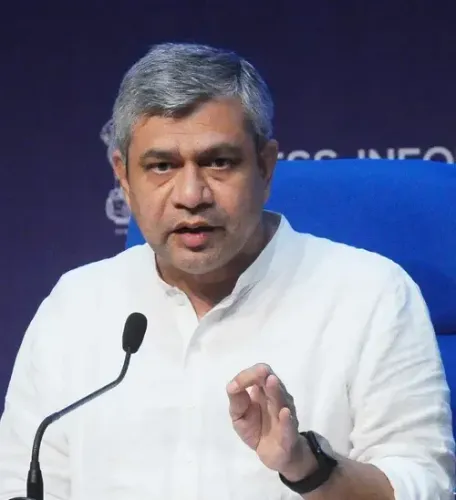
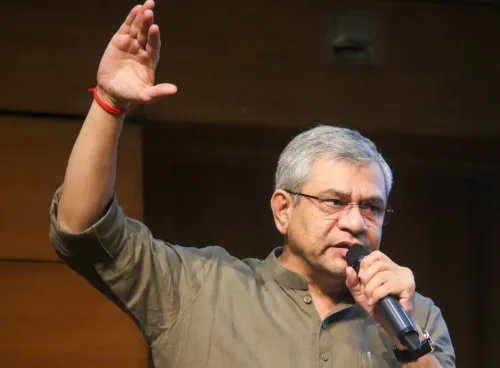
Union Electronics and IT Minister Ashwini Vaishnaw on Wednesday, 14 October 2026, warned that India's dependence on critical materials remains one of the biggest vulnerabilities in its drive for technological sovereignty, and called for a rapid build-out of domestic capabilities in semiconductors and advanced technology inputs. His remarks came at the Bloomberg New Economy Forum in New Delhi.
The Core Challenge: Supply Chain Concentration
Vaishnaw pointed to the heavy concentration of global supply chains for critical materials in a limited number of countries as a significant obstacle to India's ambitions of becoming a trusted technology and manufacturing hub. He specifically identified chemicals, gases, substrates, and other semiconductor inputs as key areas requiring urgent domestic expertise and production capacity.
Notably, he acknowledged that dominant players in material ecosystems have spent decades developing these capabilities — and that India cannot afford a similar timeline. The minister stressed that India must accelerate efforts in manufacturing, processing, storage, and handling of critical materials rather than follow a conventional, incremental path.
Semiconductor Mission Expanding Beyond Fabrication
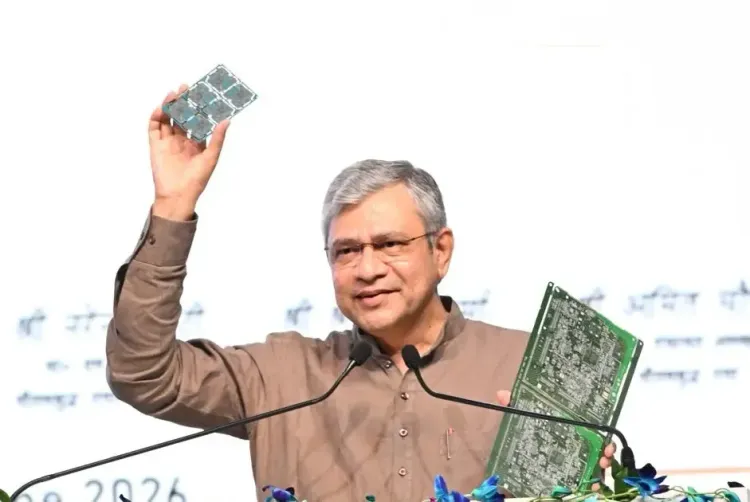
The minister said India's semiconductor mission is evolving well beyond chip fabrication and assembly. The goal, he outlined, is to build a complete ecosystem covering materials, chemicals, gases, and substrates — with these areas receiving heightened attention under the second phase of India's semiconductor programme.
The government's broader strategy, he explained, follows a deliberate progression: from assembling finished products to manufacturing modules, components, materials, and eventually capital equipment. Sustainable manufacturing growth, he argued, hinges on developing this full-stack, robust ecosystem.
Tech Sovereignty: Resilience, Not Isolation
Vaishnaw was careful to clarify that India's pursuit of technological sovereignty is not about eliminating interdependence. “When we look at tech sovereignty, we have to look at it in a very mature and very complex way. We are thinking more about strategic dependencies and resilience. Which are the products and segments in which we must have manufacturing, design and complete product development capabilities within our country? Which are the parts of the value chain where we can depend on other countries? Technology is always a global value chain,” he said.
The Trusted Partner Positioning
The minister pointed to legacy semiconductor nodes — the 28-nanometre to 90-nanometre range — as an area where India can position itself as a trusted partner in design, manufacturing, and final product evaluation. He underscored the asymmetric risk of supply chains: “The production of a million-dollar machine can stop because of a one-dollar chip.”
This framing positions India not as a challenger to existing semiconductor superpowers, but as a reliable node in a diversified global technology value chain — a distinction that is likely to shape how New Delhi pitches itself to multinational chipmakers and their customers going forward.
What Comes Next
With the second phase of India's semiconductor programme already underway, industry observers will watch whether policy frameworks translate into funded domestic materials ventures and research partnerships. The minister's emphasis on chemicals, gases, and substrates signals that near-term incentives and investments may flow into these often-overlooked upstream segments, not just the headline-grabbing wafer fabrication projects.
Point of View
But the upstream materials gap has received far less scrutiny. Chemicals, gases, and substrates are dominated by a handful of Japanese, German, and Taiwanese firms; building domestic alternatives will require both capital and decades of process know-how that India does not yet have. The minister's honest admission that India cannot afford a slow timeline is encouraging, but urgency alone does not substitute for a funded, time-bound roadmap. The real test will be whether Phase 2 incentives are structured to attract speciality materials firms — not just the fab headline deals that generate political optics.
NationPress
14 Oct 2026
Frequently Asked Questions
What did Ashwini Vaishnaw say about India's semiconductor ecosystem?
At the Bloomberg New Economy Forum on 14 October 2026, Vaishnaw said India's dependence on critical materials — including chemicals, gases, and substrates — is one of the biggest vulnerabilities in its bid for technological sovereignty. He called for rapid domestic capability-building across the full semiconductor materials value chain.
What is Phase 2 of India's semiconductor programme?
According to Vaishnaw, the second phase of India's semiconductor mission moves beyond chip fabrication and assembly to building a complete ecosystem covering materials, chemicals, gases, and substrates. Specific details of its funding and timelines were not disclosed at the forum.
What does India mean by 'technological sovereignty' in semiconductors?
Vaishnaw clarified that India's tech sovereignty goal is not about eliminating all foreign dependence, but about addressing strategic vulnerabilities and building resilience. The aim is to identify critical segments — particularly in design, manufacturing, and final product evaluation — where domestic capability is non-negotiable, while remaining a trusted partner in the global technology value chain.
Why are legacy semiconductor nodes important for India?
Vaishnaw specifically highlighted the 28-nanometre to 90-nanometre legacy node range as a strategic opportunity for India. He noted that a one-dollar chip in this range can halt the production of a million-dollar machine, making trusted sourcing in this segment a global priority that India is positioning itself to address.
What are the key materials India needs to develop for its chip industry?
The minister identified chemicals, gases, substrates, and other semiconductor inputs as the primary areas where India must build domestic expertise and production capability. These upstream materials have historically been dominated by a small number of countries, posing a supply-chain risk India now aims to reduce.