India needs ₹15 lakh crore to reach 100 GW nuclear power by 2047: CEA chief
Synopsis
India needs ₹15 lakh crore and private sector muscle to add 91 GW of nuclear capacity by 2047 — a near 11-fold jump from today's 8.8 GW. With Parliament having already opened the sector to private and foreign players in December 2025, and peak power demand set to nearly double by 2035–36, the CEA's numbers frame nuclear not as an option but as an arithmetic necessity.
Key Takeaways
CEA Chairman Ghanshyam Prasad said India needs roughly ₹15 lakh crore in investment to reach 100 GW of nuclear power by 2047 .
India's current installed nuclear capacity is 8.8 GW , expected to rise to 22 GW by 2030–31 .
Peak electricity demand is projected to nearly double from 250 GW in 2024–25 to 459 GW by 2035–36 .
Despite 274 GW of installed renewable capacity, renewables contribute only about 29.2% of total generation due to intermittency.
Parliament approved legislation in December 2025 allowing private and foreign companies into India's nuclear power sector for the first time.
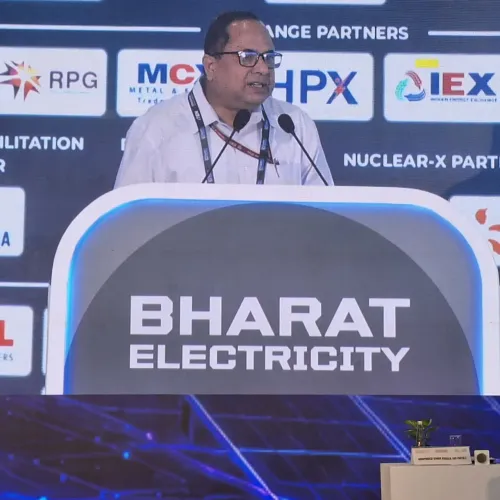
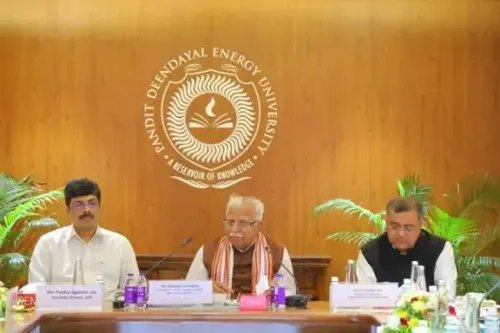
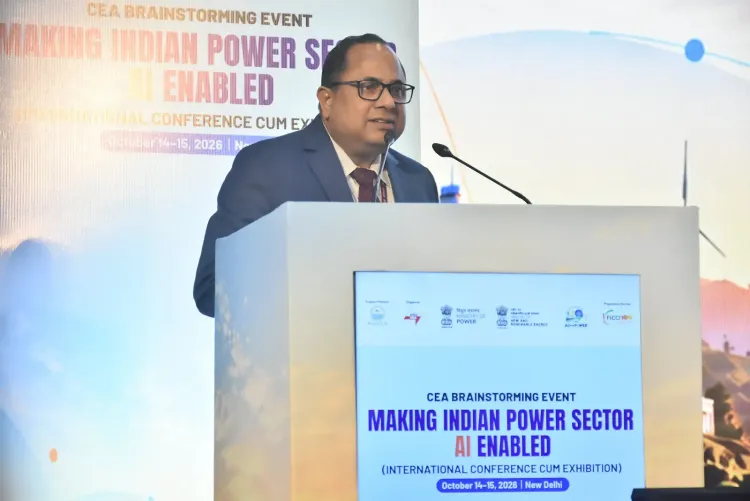
India will need investments of approximately ₹15 lakh crore to add 91 gigawatts (GW) of nuclear power capacity and hit its target of 100 GW of nuclear energy by 2047, Central Electricity Authority (CEA) Chairman Ghanshyam Prasad said on Wednesday, 14 October 2026. The remarks were made at a CEA brainstorming event focused on making India's power sector AI-enabled, underscoring how the country's energy ambitions are increasingly intertwined with both technology and capital mobilisation.
Where India Stands Today
India's installed nuclear power capacity currently stands at around 8.8 GW, according to Prasad. That figure is expected to rise to 22 GW by 2030–31 — a meaningful step, but still well short of the 100 GW goal set for 2047. Closing the remaining gap will require the addition of roughly 91 GW, an undertaking Prasad described as requiring not just public funding but significantly greater participation from private companies.
The Case for Nuclear as Baseload Power
Prasad positioned nuclear energy as a reliable, round-the-clock electricity source capable of complementing India's growing renewable portfolio. He noted that despite an installed renewable energy capacity of 274 GW, renewables contribute only about 29.2% of total electricity generation — a gap explained by the intermittent nature of solar and wind. Nuclear energy, by contrast, can provide stable baseload supply regardless of weather conditions. This comes amid projections that India's peak power demand will surge from 250 GW in 2024–25 to 459 GW by 2035–36, a near-doubling that renewables alone are unlikely to bridge.
AI as a Force Multiplier
Speaking at the event themed around artificial intelligence in the power sector, Prasad called for AI to be leveraged across grid management, safety systems, and operational efficiency. 'As we move towards Viksit Bharat by 2047 and Net Zero by 2070, we have the chance to build a power system that is not just larger, but fundamentally smarter, safer, cleaner, and more resilient,' he said. He added: 'Let us make AI a force multiplier for the collective expertise of our engineers, system operators, utilities, regulators, academia, and industry.'
Policy Shift: Private Sector Now Allowed In
India's nuclear expansion received a landmark policy boost in December 2025, when Parliament approved legislation permitting private and foreign companies to participate in the nuclear power sector. The move marked a significant departure from India's decades-old state-controlled nuclear model, which had confined the sector to public entities. The legislative change is widely seen as a prerequisite for mobilising the scale of investment Prasad outlined — no single public sector entity can alone deploy ₹15 lakh crore in a sector that has historically moved slowly.
What This Means for India's 2047 and Net Zero Goals
India has committed to achieving net zero emissions by 2070 and the Viksit Bharat vision of a fully developed economy by 2047. Nuclear energy sits at the intersection of both targets — it is low-carbon, high-output, and land-efficient compared to equivalent renewable installations. Notably, however, nuclear projects in India have historically faced long gestation periods and cost overruns, raising questions about execution timelines. The combination of private sector participation, AI-driven operations, and public investment planning will be critical to delivering on a target that is as much a logistical challenge as a financial one.
Point of View
By their intermittent nature, cannot fully provide. The December 2025 legislative opening to private players was a necessary condition, but it is not sufficient: India's nuclear project history is littered with delays and cost overruns that eroded the economics even before private capital had a seat at the table. What the CEA's projection does not yet answer is who bears construction risk in a sector where a single reactor project can slip by a decade, and how the government intends to make that risk palatable enough for private and foreign investors to actually deploy capital at scale.
NationPress
14 Oct 2026
Frequently Asked Questions
How much investment does India need for 100 GW of nuclear power by 2047?
India needs approximately ₹15 lakh crore in investments to add 91 GW of nuclear capacity and reach its 100 GW target by 2047, according to CEA Chairman Ghanshyam Prasad. This will require significantly greater participation from private companies alongside public sector funding.
What is India's current nuclear power capacity?
India's installed nuclear power capacity currently stands at around 8.8 GW. It is expected to grow to 22 GW by 2030–31 as projects already in the pipeline are commissioned.
Why does India need nuclear energy if it already has 274 GW of renewables?
Despite 274 GW of installed renewable capacity, renewables contribute only about 29.2% of total electricity generation because of their intermittent nature — solar and wind do not produce power round-the-clock. Nuclear energy provides stable baseload supply, which is critical as peak demand is projected to nearly double to 459 GW by 2035–36.
Can private companies now invest in India's nuclear sector?
Yes. Parliament passed legislation in December 2025 allowing private and foreign companies to participate in India's nuclear power sector for the first time, ending decades of exclusive state control. This change is considered essential to mobilising the ₹15 lakh crore required for the 100 GW target.
How does the 100 GW nuclear target connect to India's Net Zero goal?
India has committed to achieving net zero emissions by 2070 and the Viksit Bharat vision by 2047. Nuclear power is low-carbon and high-output, making it a key pillar of both goals. CEA Chairman Prasad also called for AI to be deployed across grid management and safety to make the future power system 'smarter, safer, cleaner, and more resilient.'