India-Netherlands Strategic Partnership 2026-2030: Trade, semiconductors and supply chains
Synopsis
India and the Netherlands have formalised a five-year Strategic Partnership roadmap stretching to 2030, covering everything from semiconductors and critical minerals to maritime infrastructure and SME ecosystems. With ASML-linked chip expertise and EU market access in play, this is more than a standard trade agreement — it is India's bid to embed itself deeper into European technology supply chains at a pivotal moment in global chip geopolitics.
Key Takeaways
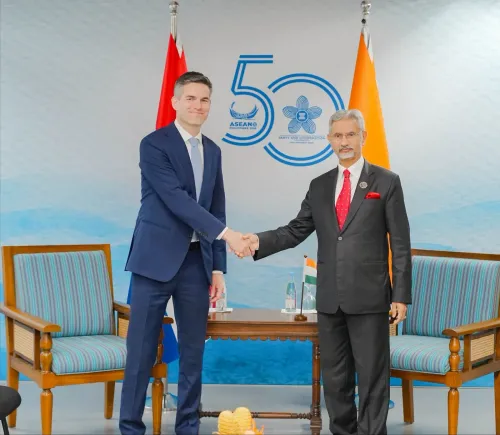
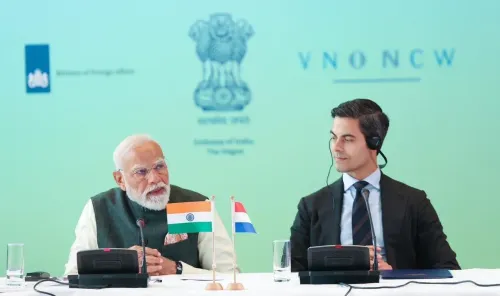
India and the Netherlands signed the 'Roadmap of India-Netherlands Strategic Partnership 2026-2030' on 17 May 2025 in New Delhi .
The framework covers 13+ sectors including semiconductors, renewables, pharmaceuticals, maritime services, and critical minerals.
Annual meetings of the Joint Trade and Investment Committee (JTIC) will drive trade expansion and market access improvements.
Both sides agreed to explore a strategic partnership across the critical raw materials value chain under an existing minerals cooperation memorandum.
Support for SMEs , public-private partnerships, and innovation ecosystems is a stated priority of the agreement.
The bilateral Fast Track Mechanism for investment facilitation will be periodically reviewed under the new framework.
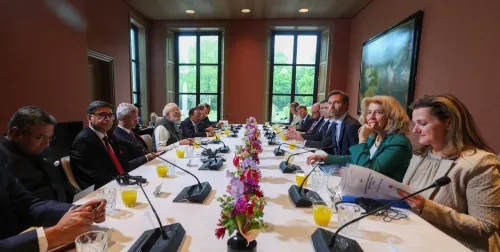
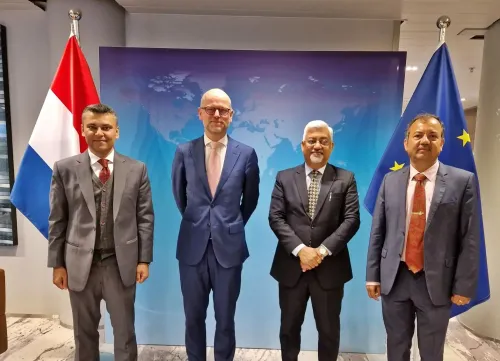
India and the Netherlands have agreed to significantly deepen bilateral trade and investment ties under a newly announced Strategic Partnership, adopting a five-year roadmap — the 'Roadmap of India-Netherlands Strategic Partnership 2026-2030' — to expand economic cooperation across critical sectors including semiconductors, renewable energy, pharmaceuticals, and maritime infrastructure. The agreement was formalised on 17 May 2025 in New Delhi, with both governments committing to strengthen supply chain resilience amid evolving global economic uncertainties.
What the Roadmap Covers
The five-year framework spans an extensive range of strategic sectors: renewable energy, telecommunications, maritime services, infrastructure and urban development, electronics, semiconductors, agriculture, pharmaceuticals, medical technology, organic chemicals, textiles, iron and steel, and aluminium. Both sides agreed to leverage annual meetings of the Joint Trade and Investment Committee (JTIC) to increase bilateral trade volumes, improve market access, and drive investment into these high-potential sectors.
Supply Chain Resilience and Critical Minerals
In a significant move, the two countries agreed to explore a strategic partnership across the critical raw materials value chain under an existing memorandum of cooperation on critical minerals. The cooperation will encompass exploration, research and innovation, value chain integration, circular economy initiatives, and ESG-related standards. This signals a shared priority to reduce dependence on single-source supply chains — a concern that has grown sharper globally since the semiconductor shortages of 2021-22 and ongoing geopolitical realignments.
Business Engagement and SME Support
Both governments committed to promoting joint ventures, industrial partnerships, and technology collaborations between companies from both nations. Business-to-business engagement will be enhanced through trade fairs and business forums involving industrial associations and chambers of commerce. Notably, both sides emphasised support for small and medium enterprises (SMEs), strengthening innovation ecosystems, and encouraging public-private partnerships to drive sustainable economic growth and job creation.
Fast Track Mechanism and Investment Facilitation
The agreement also calls for a periodic review of the bilateral Fast Track Mechanism, designed to facilitate investments and resolve business-related issues. Two-way investment promotion will focus on priority areas including sustainable agriculture, high-tech innovation, medtech, and maritime infrastructure. This comes amid a broader Indian push to diversify strategic economic partnerships beyond traditional allies, with the Netherlands serving as a key gateway to the European Union market.
Why This Partnership Matters
The Netherlands is already among India's significant European trading partners, and its strength in semiconductor equipment — through companies such as ASML — makes the bilateral technology dimension particularly consequential. India's own semiconductor ambitions, backed by a domestic incentive programme, align closely with Dutch expertise in chip design and equipment manufacturing. This partnership, analysts note, could help India plug critical gaps in its semiconductor supply chain at a time when global chip geopolitics are intensifying.
Point of View
But its semiconductor and critical minerals clauses deserve closer scrutiny. The Netherlands hosts ASML, the world's sole maker of extreme ultraviolet lithography machines — without which advanced chips cannot be manufactured. India's inclusion of semiconductor cooperation in this framework is a calculated move to secure technology access that is increasingly subject to export controls. Whether the partnership translates into actual technology transfer or remains at the level of 'cooperation' and 'dialogue' will be the real test. Past bilateral frameworks with European partners have often stalled at the committee stage; the JTIC's annual meeting cadence is only as useful as the political will behind it.
NationPress
20 Oct 2026
Frequently Asked Questions
What is the India-Netherlands Strategic Partnership 2026-2030?
It is a five-year bilateral roadmap formalised on 17 May 2025 in New Delhi, covering trade, investment, and technology cooperation across sectors including semiconductors, renewable energy, pharmaceuticals, and critical minerals. The framework aims to strengthen supply chain resilience and expand economic ties between the two countries.
Which sectors are covered under the India-Netherlands roadmap?
The roadmap spans over 13 sectors: renewable energy, telecommunications, maritime services, infrastructure and urban development, electronics, semiconductors, agriculture, pharmaceuticals, medical technology, organic chemicals, textiles, iron and steel, and aluminium.
What is the Joint Trade and Investment Committee (JTIC)?
The JTIC is the overarching bilateral body that will hold annual meetings to increase trade, improve market access, and encourage investment between India and the Netherlands under the new Strategic Partnership framework.
Why is the critical minerals agreement significant?
Both countries agreed to explore a strategic partnership across the critical raw materials value chain — covering exploration, research, value chain integration, and circular economy initiatives. This is significant because critical minerals underpin semiconductors, EV batteries, and clean energy technologies, and securing their supply is a top priority for both nations amid global supply chain disruptions.
How does this partnership benefit Indian businesses, including SMEs?
Both governments committed to supporting small and medium enterprises through trade fairs, business forums, joint ventures, and public-private partnerships. The Fast Track Mechanism will also be reviewed periodically to resolve investment-related issues and facilitate smoother market entry for companies from both sides.